Get all your news in one place.
100's of premium titles.
One app.
Start reading
Medical Daily
Medical Daily
Joseph James

Hospitalization Rate in the Jalapeño Salmonella Outbreak Climbs to 15 Percent as Resistance Appears in Three Samples

The share of people hospitalized in the Salmonella outbreak linked to jalapeño peppers has climbed to 15 percent, up from 12 percent at the start of the month. Fifty-seven of the 376 patients with available medical information have now been admitted to a hospital, according to the CDC investigation update posted on August 19, 2026. No deaths have been reported.

That percentage should be separated from the headline case total because the two numbers represent different things. An outbreak count can grow simply because more state laboratories finish sequencing samples collected weeks earlier. A rising hospitalization rate reflects severity rather than detection. Among those counted, a larger proportion became sick enough to require inpatient care.
For a household, the shift changes one specific question. Anyone who ate at a Mexican-style restaurant in June or July, felt ill afterward, and assumed it would pass now has a clearer reason to describe that timeline to a clinician if symptoms linger or return. The figures also present a second finding that had not been observed at this scale before: genetic sequencing has flagged possible antibiotic resistance in a small number of patient samples.


A Severity Signal Inside a Larger Case Count

The outbreak now involves 431 confirmed illnesses across 32 states, with illness onset dates running from June 19 through August 2. The earlier federal tally, current through August 4, listed 345 illnesses in 27 states and 36 hospitalizations. MedicalDaily previously reported on the jump of 86 cases and five states, which explained why a count can rise sharply weeks after a recall. The newer detail is what happened to the patients inside that count.

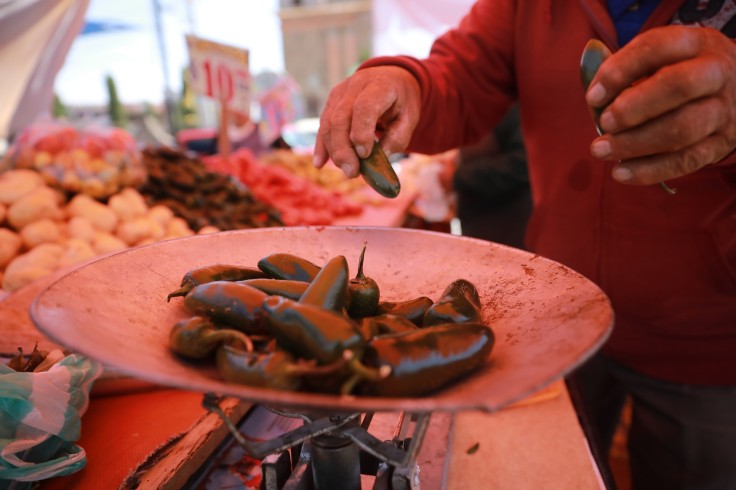
Investigators have interviewed 224 sick people, and 203 of them, or 91 percent, reported eating at a Mexican-style restaurant before becoming ill, with meal dates between June 14 and July 16. A total of 28 illness clusters have been identified at Chipotle Mexican Grill and QDOBA locations across eight states. Patient ages range from under 1 year to 85, with a median of 30.

Both restaurant chains stopped serving the affected peppers. Chipotle switched suppliers for affected stores beginning July 20, and QDOBA stopped using jalapeños on July 28. Federal officials have said they do not consider those locations an ongoing risk to consumers in this outbreak. The peppers were traced to a single grower in Sinaloa, Mexico, and were imported by Coast Citrus Distributors, which has recalled the product and stopped importing from that grower.


Resistance Turns Up in Three Patient Samples

Sequencing found no predicted antimicrobial resistance in bacteria from 428 of the samples analyzed. Bacteria from three samples were predicted to resist one or more antibiotics on a list that includes amoxicillin-clavulanic acid, ampicillin, azithromycin, ceftriaxone, cefoxitin, ceftiofur, streptomycin, sulfisoxazole, and trimethoprim-sulfamethoxazole. Bacteria from one of those samples also showed a predicted reduction in susceptibility to ciprofloxacin. Earlier in the month, two samples carried resistance markers.

Two limits matter here and belong up front rather than buried. These are predictions generated from whole-genome sequencing, not results from culture-based susceptibility testing on an individual patient. And most people with Salmonella recover without antibiotics, so resistance affects treatment planning for a minority of severe cases rather than the typical illness.

The CDC notes that when antibiotics are needed, illness with this predicted resistance profile may not respond to commonly recommended drugs and may require a different choice. The agency directs clinicians to its National Antimicrobial Resistance Monitoring System for context. For patients, the practical translation is narrow: mention the outbreak by name if you are being evaluated, because it may influence which culture and susceptibility tests a clinician orders.


Groups Most Likely to Need Hospital Care

Federal guidance identifies children younger than five, older adults, and people with weakened immune systems as most likely to develop severe infection. The FDA advisory, current through August 21, states that illness usually begins 12 to 72 hours after eating contaminated food and that symptoms typically last 4 to 7 days. Diarrhea, fever, and abdominal cramps are common signs.

Cases have been reported in 32 states, including Texas, California, Illinois, Pennsylvania, Ohio, Michigan, Georgia, Florida, Washington, Colorado, North Carolina, Virginia, and Minnesota. Federal agencies have not published an analysis of why particular states appear on the list, and the pattern reflects both where recalled product was distributed and which state laboratories have finished their testing.

Households in the affected states are not being asked to avoid a food category. The recalls cover named products with specific date codes. The FDA now maintains a consolidated page for downstream product recalls listing items made or repackaged with the recalled peppers, and the USDA Food Safety and Inspection Service alert covers meat and poultry products containing them.


Steps That Make Sense Right Now

Check refrigerators and freezers against the federal recall lists rather than discarding produce broadly. Discard recalled items instead of washing them, since washing does not reliably remove bacteria from produce surfaces. Clean and sanitize any surface or container that held a recalled product.

Contact a clinician about diarrhea lasting more than three days that is not improving, bloody stools, a fever above 102 degrees, vomiting that prevents keeping liquids down, or signs of dehydration such as very little urination, dry mouth, or dizziness on standing. Those signs warrant prompt evaluation, and severe or rapidly worsening symptoms warrant urgent care. Do not start or stop any prescribed medication without speaking with a health care professional.

Several things remain unsettled. The link to jalapeños rests on interviews and supply chain traceback, and neither agency has reported a product sample testing positive for the outbreak strain. The FDA lists its investigation as ongoing; additional downstream recalls are still being announced, and because it typically takes three to four weeks to confirm that a sick person is part of an outbreak, the current total almost certainly understates the number of illnesses that have already occurred. The next federal update will show whether the hospitalization share holds, and MedicalDaily will follow the figures.


Key Questions Answered

What is actually new in this update? The hospitalization rate rose from 12 percent to 15 percent, meaning 57 of 376 patients with available information have been hospitalized. Sequencing also flagged predicted antibiotic resistance in three patient samples, up from two.

Does resistance mean the outbreak is harder to treat? Not for most people. Bacteria from 428 samples showed no predicted resistance, and the large majority of Salmonella infections resolve without antibiotics. Resistance matters for the smaller group of patients who need drug treatment.

Am I still at risk from restaurant food? Federal officials have said Chipotle and QDOBA are not currently at risk because both removed the affected peppers. The remaining exposure risk sits with recalled retail products still in home refrigerators.

Which symptoms should prompt a call to a clinician? Diarrhea lasting more than three days without improvement, bloody stools, fever above 102 degrees, persistent vomiting, or dehydration signs such as minimal urination and dizziness on standing.

Who faces the greatest risk of severe illness? Children under five, older adults, and people with weakened immune systems, according to federal guidance.

Why does the case count keep rising after the recall? Illness onset stopped on August 2. The count reflects infections that already happened and are still moving through testing and reporting, a process that usually takes three to four weeks.

When will the numbers update again? The CDC and FDA update their investigation pages as new data is confirmed. Both list the investigation as ongoing, and additional downstream product recalls are still being posted.

Sign up to read this article
Read news from 100's of titles, curated specifically for you.
Already a member? Sign in here
Related Stories
Top stories on inkl right now
One subscription that gives you access to news from hundreds of sites
Already a member? Sign in here
Our Picks
Fourteen days free
Download the app
One app. One membership.
100+ trusted global sources.