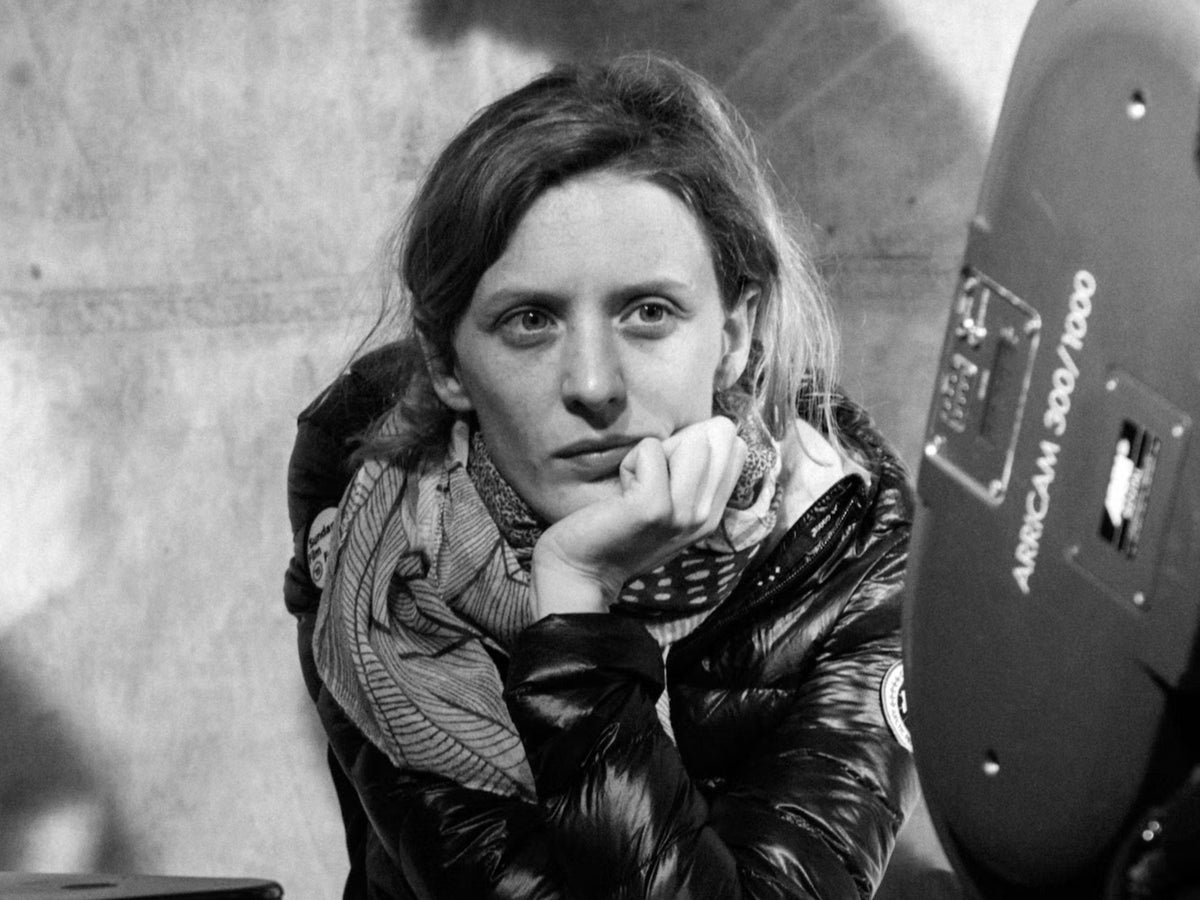
On some basic level, Mia Hansen-Løve makes movies because she has a “very, very bad” memory. “It’s a way to hold on to events that I want to remember, to really make sure the things that matter to me will still exist even if I forget them,” says the French filmmaker. She scrunches up the already rumpled tissue in her lap and releases it again. “I’m always worried that I will forget everything.” That fear goes a long way in explaining the many parallels that exist between Hansen-Løve’s real life and the lives explored on screen in her emotionally intense, often award-winning films.
Hansen-Løve was only 23 when she wrote her debut All Is Forgiven; 25 when she directed it. The film, nominated for Best First Feature at the 2008 César Awards (the French equivalent of the Oscars), was loosely inspired by her uncle and cousin. Goodbye First Love (2011) told of a feverish romance that looked not unlike her own with the director Olivier Assayas. The same could be said – although Hansen-Løve herself has not said it – of her English-language debut Bergman Island, released last June and written the year that she and Assayas split up. Likewise, the DJ in Eden (2015) was inspired by her brother, while the philosopher in Things to Come (2016) was based on her mother. This time around, it’s her father to whom she is indebted.