
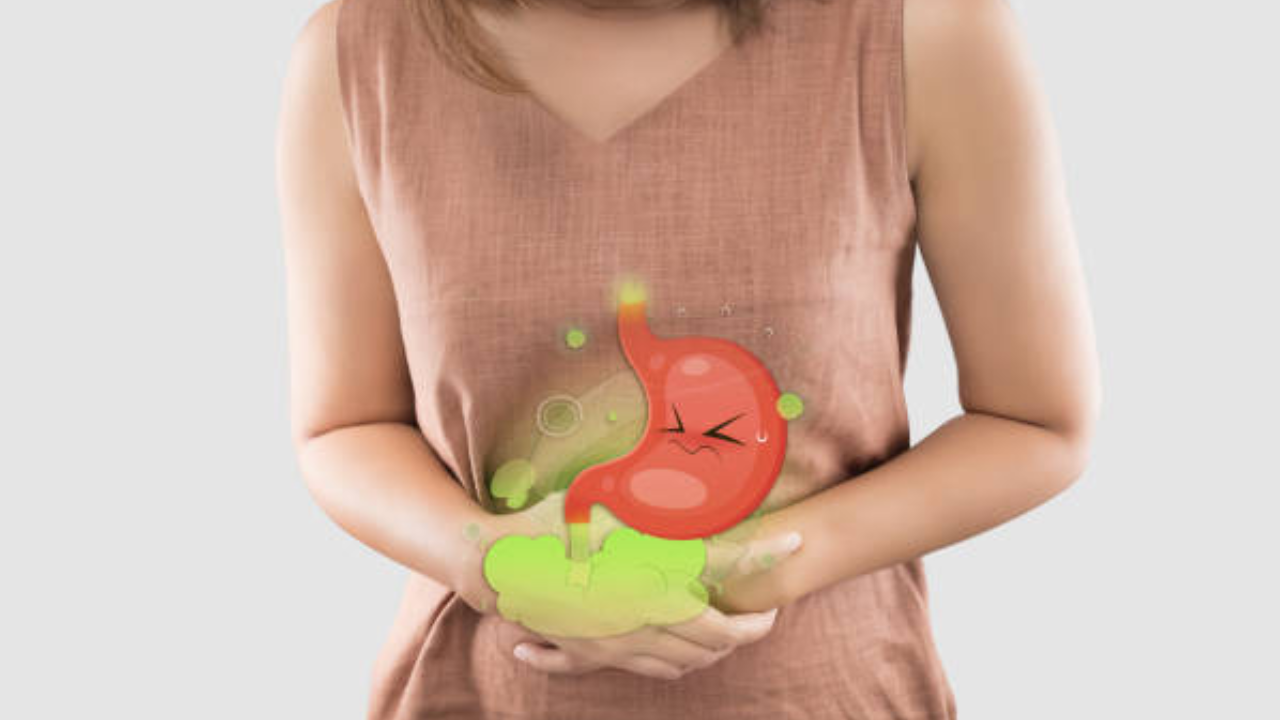
Acidity occurs when the stomach produces excessive gastric acid, which irritates the stomach lining and can lead to discomfort. This condition, commonly associated with a burning sensation in the chest or upper abdomen, is often referred to as heartburn. Excess gastric acid production can be triggered by consuming spicy, fatty, or acidic foods, which stimulate acid secretion. Other common triggers include stress, overeating, consuming caffeine or alcohol, smoking, and lying down too soon after eating.
Acidity may also result from medical conditions like gastroesophageal reflux disease (GERD) or certain medications, such as nonsteroidal anti-inflammatory drugs (NSAIDs). If left untreated, chronic acidity can lead to complications such as esophagitis, peptic ulcers, or Barrett's esophagus. Managing acidity typically involves dietary changes, stress reduction, and in some cases, the use of antacids or other medications to regulate acid production.














