The prime minister will fly to Singapore to secure more fuel for Australia.
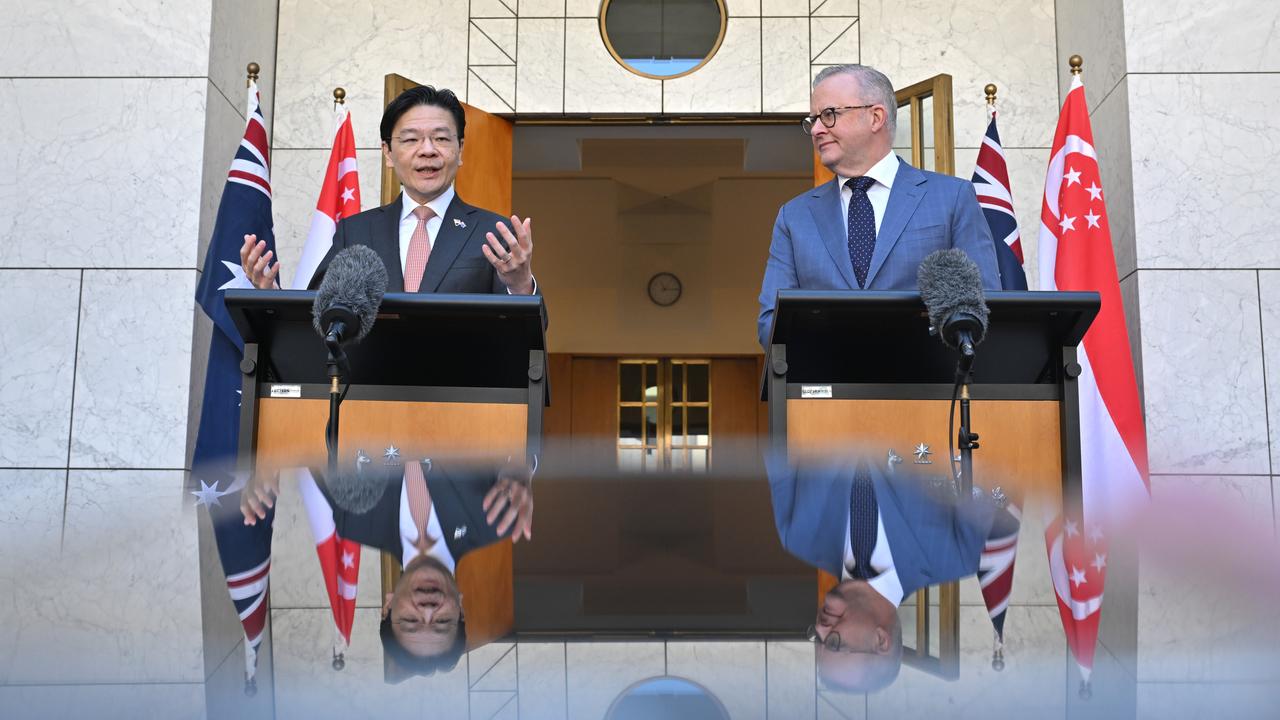
Anthony Albanese will meet his Singaporean counterpart Lawrence Wong on Friday as he seeks to lock in further supply, as uncertainty over the Iran war remains.
"The truth is that it's happening earlier than was intended and would have been combined with another visit," he told reporters in Canberra on Tuesday.
"When I spoke with Prime Minister Wong, we agreed it would be good for us to have a discussion. He's a leader of the region as well.
"Together, we share concern over the situation in the Middle East, including the consequences for both of our nations."
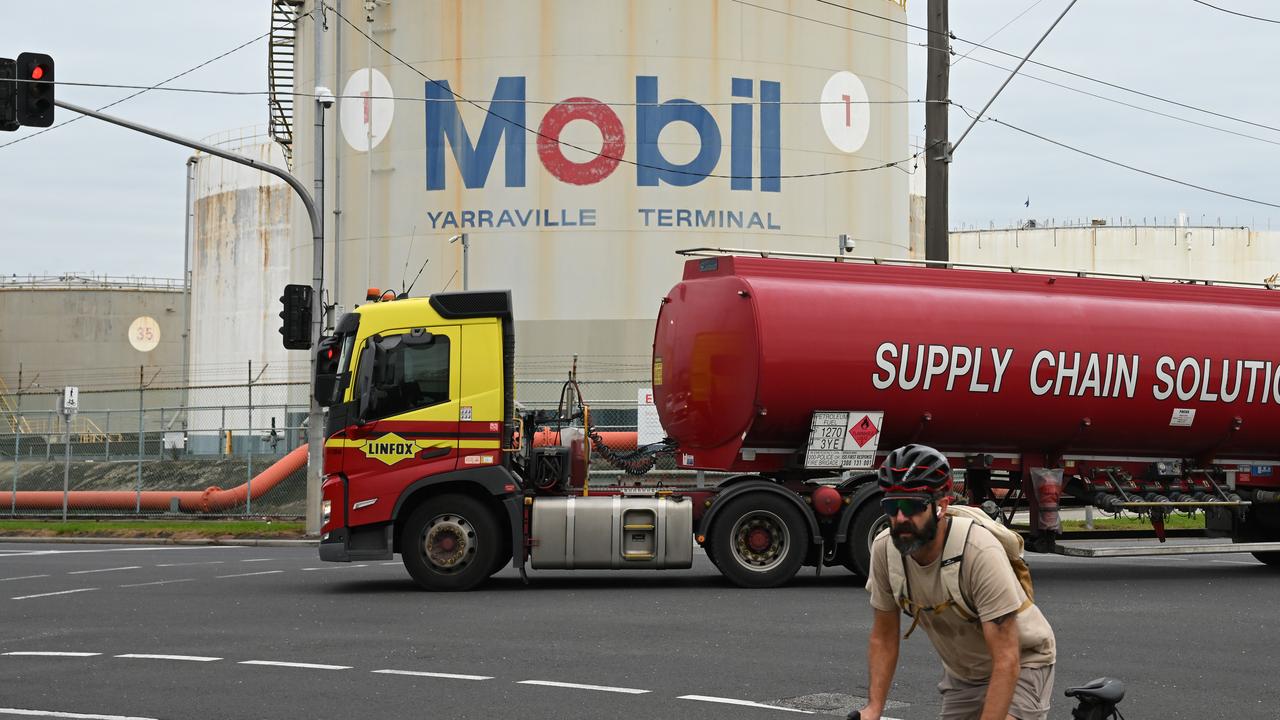
Australia relies on Asian refineries for its fuel and the government is seeking assurances from its partners for supply guarantees.
Experts warn higher fuel prices at the bowser and food prices at the checkout will likely linger for consumers even if the conflict in the Middle East comes to an immediate end.
Energy Minister Chris Bowen reiterated the government had secured fuel supply well into May, as contracts had previously been locked in for mid-April.
He said the number of service stations without fuel continued to fall.
In NSW, 125 service stations are without diesel, down 17 from Monday.
The state has 34 retailers without petrol, down five on the previous day.
In Victoria there are 40 without diesel, down 11, and 29 with no unleaded petrol.
Queensland has 34 service stations without diesel, and 30 without petrol.
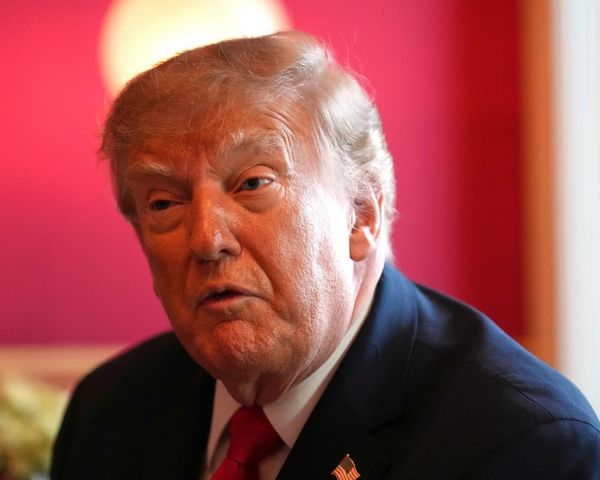
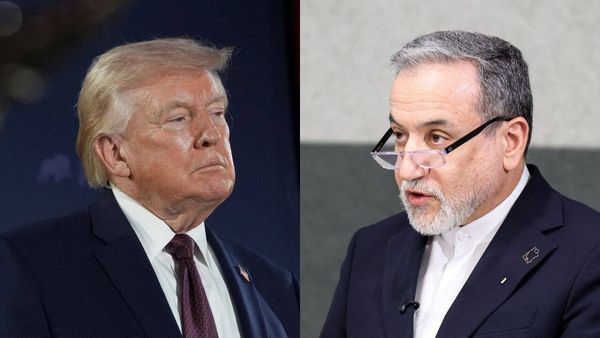
In an address, US President Donald Trump flagged strikes on Iran could end within weeks, saying core objectives were nearing completion.
It comes as sales of electric bikes and cars surge while rising fuel costs push commuters to find cheaper ways to get around.
While Australian e-bike sales have been climbing for years, retailers say recent fuel price pressures have sharply accelerated the trend.
"We've seen a massive spike in interest in e-bikes in the last couple of weeks," Bicycle Industries Australia general manager Peter Bourke told AAP.
Sales accelerated as consumers began to expect fuel price shocks related to global supply challenges to stick around beyond the short term, he said.
Australians have also raced to secure electric vehicles, near-doubling sales to set a national record.
Motorists bought more than 15,800 new electric cars during March, figures from the Federal Chamber of Automotive Industries show, while sales of petrol and diesel vehicles stalled.
Pure electric cars represented 14.6 per cent of all new-car sales during the month, growing from 7.5 per cent in March 2025.