Get all your news in one place.
100's of premium titles.
One app.
Start reading
The Independent UK
The Independent UK
Steve Fowler

Here’s how to save 20% on Gridserve public charging on 1 October

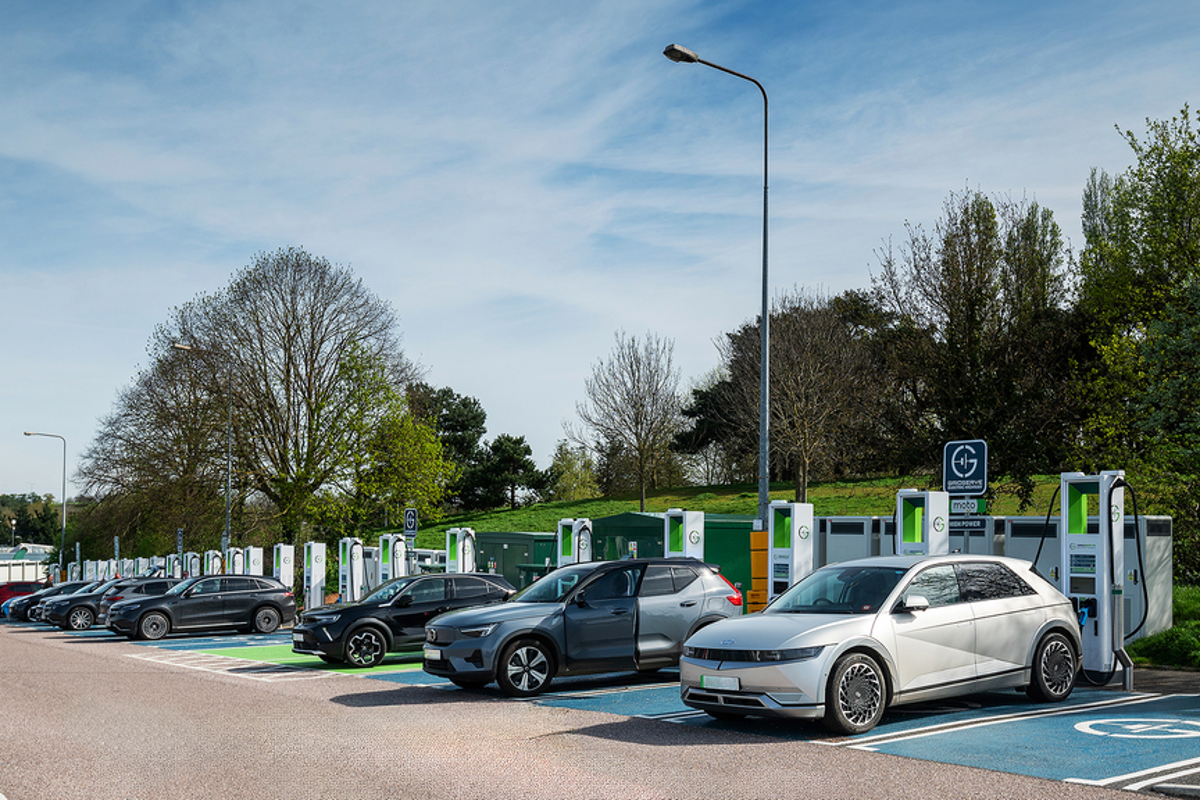
As VAT on home electricity drops to zero on October 1, Gridserve is dropping its charging fees by 20 per cent for one day only - (Gridserve)

Electric car drivers using Gridserve chargers on October 1 will get a 20 per cent discount, as the company cuts its prices for one day. This is highlight the difference in VAT between charging at home and using the public network.

The price reduction comes on the same day that VAT on qualifying domestic electricity in Great Britain falls to zero until March 31, 2027. Public EV charging, however, will continue to attract VAT at the full 20 per cent rate.

Gridserve normally charges between 85p and 92p per kWh for ultra-rapid charging at speeds of up to 400kW. On October 1, those prices will fall by 20 per cent to between 68p and 73.6p per kWh.

Read more: Best electric cars 2026

Gridserve's ultra-rapid charging costs will drop from 85p and 92p per kWh to between 68p and 73.6p per kWh on October 1 for one day (Gridserve)

For a typical 40kWh top-up, that works out at a saving of between £6.80 and £7.36. It might only be the price of a couple of coffees on the day, but for someone doing the same charge once a week the savings would add up to between £353.60 and £382.72 over a year.

The one-day offer is Gridserve’s way of highlighting what it sees as an unfair difference between drivers who can plug their cars in at home and those who have to rely on public chargers.

The company says drivers living in flats, rented homes or properties without off-street parking can face higher charging costs simply because they don’t have a driveway. It estimates that 10 million British households have no potential for off-street parking.

Rebecca Trebble, chief customer officer at Gridserve, said: “On 1 October, millions of households will see VAT removed from their electricity bills. For EV drivers who cannot charge at home, however, the tax treatment of electricity is very different.

“We want to make that difference tangible. Rather than simply talking about what cheaper public charging could look like, we are giving drivers the opportunity to experience it for themselves.

“Gridserve has been clear that if the gbovernment reduces the VAT burden on public EV charging, we believe the benefit should be passed directly through to drivers. Our 1 October initiative demonstrates this principle in practice: when the cost of charging comes down, drivers will see those savings at the plug.”

Public charging operators argue that VAT is only part of the reason public charging can cost considerably more than plugging in at home. They also face the cost of installing and maintaining high-powered chargers, land rents and expensive grid connections.

Gridserve's Chief Customer Officer, Rebecca Trebble:

Independent analysis from Cornwall Insight found that standing charges for ultra-rapid charging hubs have increased by up to 462 per cent since 2021.

Gridserve has previously called for the tax treatment of home and public charging to be brought closer together. Research commissioned by the company in 2025 found that 49 per cent of non-EV drivers surveyed said they would switch to an electric car sooner if public charging attracted the same VAT rate as charging at home.

The Government is reviewing the cost of public EV charging, with its findings expected later this year.

Shane Brennan, chief executive of ChargeUK, said: “Cutting VAT on home electricity is the right call at the right time, it will relieve some pressure on what will be a tough winter for energy consumers, including EV drivers.

“However, it will also entrench the driveway divide for those current and want-to-be EV drivers who pay the full 20 per cent VAT to charge their cars at the worst moment.

“With diesel prices topping £2 a litre this week, and petrol not far behind, encouraging all drivers to go electric is the right thing to do, let’s make it fair and accessible for all.”

Sign up to read this article
Read news from 100's of titles, curated specifically for you.
Already a member? Sign in here
Related Stories
Top stories on inkl right now
One subscription that gives you access to news from hundreds of sites
Already a member? Sign in here
Our Picks
Fourteen days free
Download the app
One app. One membership.
100+ trusted global sources.