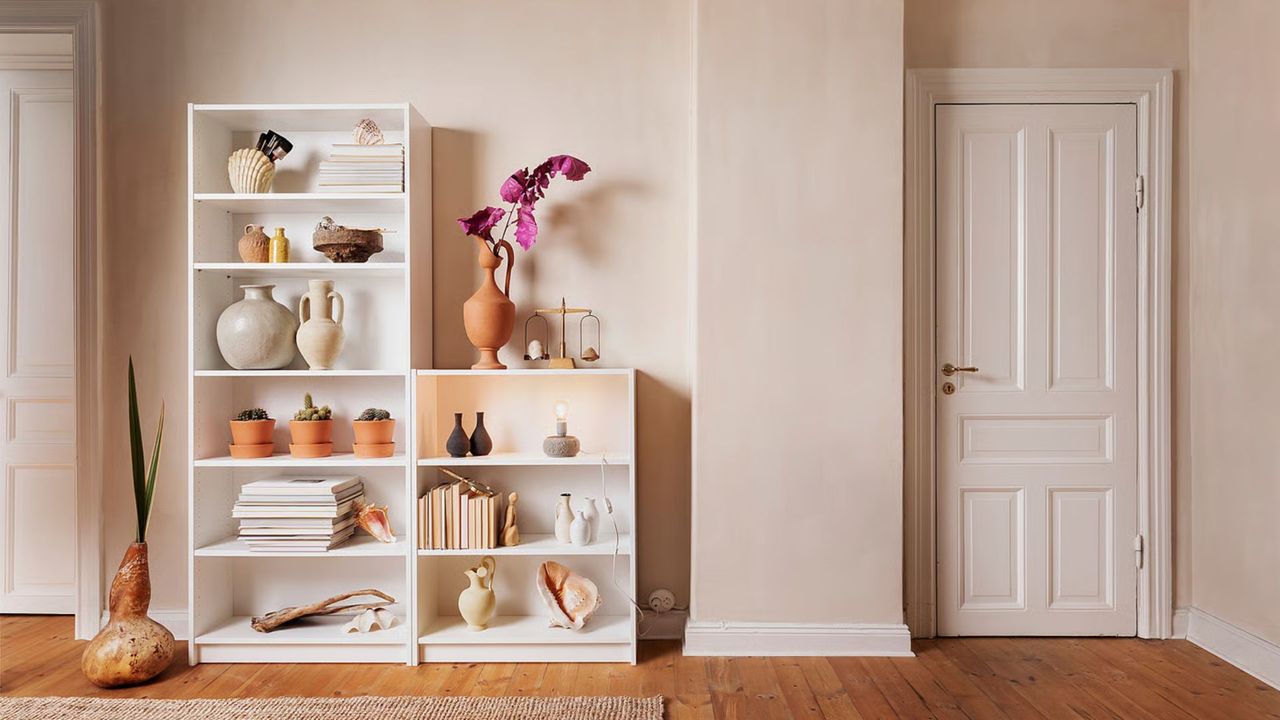
I'm a big fan of IKEA, and I'm not ashamed to admit a large portion of my furniture is from its extensive flat pack range. Easy to build, affordable and some really delicious meatballs are just some of the reasons I go to IKEA. But, while it's great furniture, it can become wobbly from everyday use.
From a wobbly leg turning your favorite chair into an outcast round the dinner table, to a shaky table that moves every time you put your hands on it, it's not the recipe for a nice, relaxing family meal by any means.
Fortunately, I'm here to tell you that you don't have to live with wobbly furniture, and you certainly don't have to throw it away altogether. While you might be tempted to head to your nearest IKEA for a weekend of replacing your furniture (and that does sound pretty nice), there are some really simple and affordable ways to fix it.
Why does IKEA furniture go wobbly?
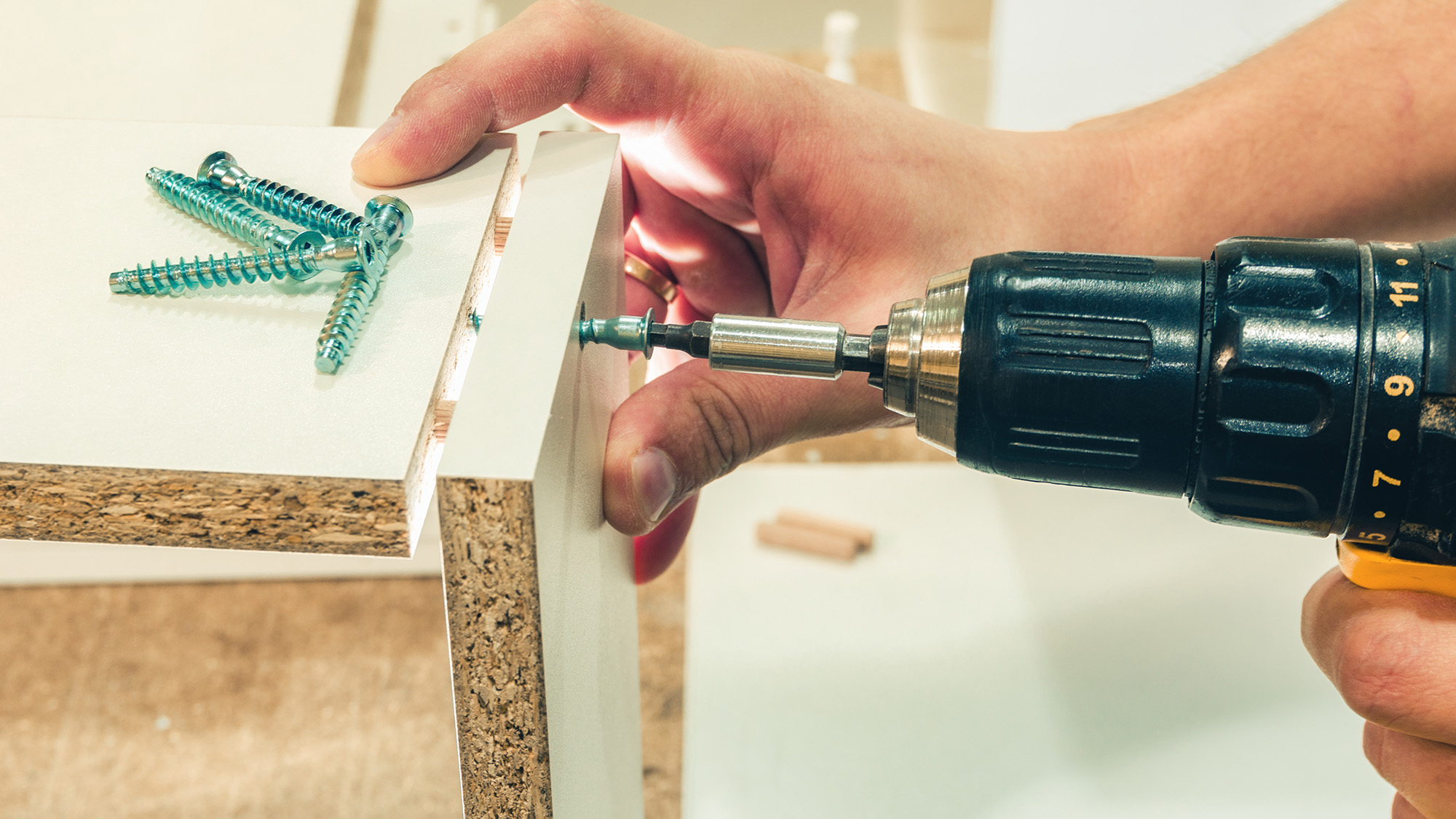
Over time, your furniture will most likely develop a wobble and it's not anything you've done, necessarily. Wear-and-tear is expected with furniture because you use it fairly often and it'll just break down from daily use.
Depending on where in your home you have your furniture, it can also be affected by circumstances. If it's near heat, it can cause wood to warp, or if it's in a cold environment, it can cause joints to become loose.
It could also be because the quality isn't the best, but we won't hear any blasphemy about our lovely IKEA TONSTAD dining table that's been through two house moves. Oh, the house moves could also be a reason for the wobbles.
So, there are a fair few reasons your IKEA furniture may be wobbling, but, as mentioned before, there are some simple steps you can follow that'll solve the problem.
How to stop the wobble
1. Find the problem
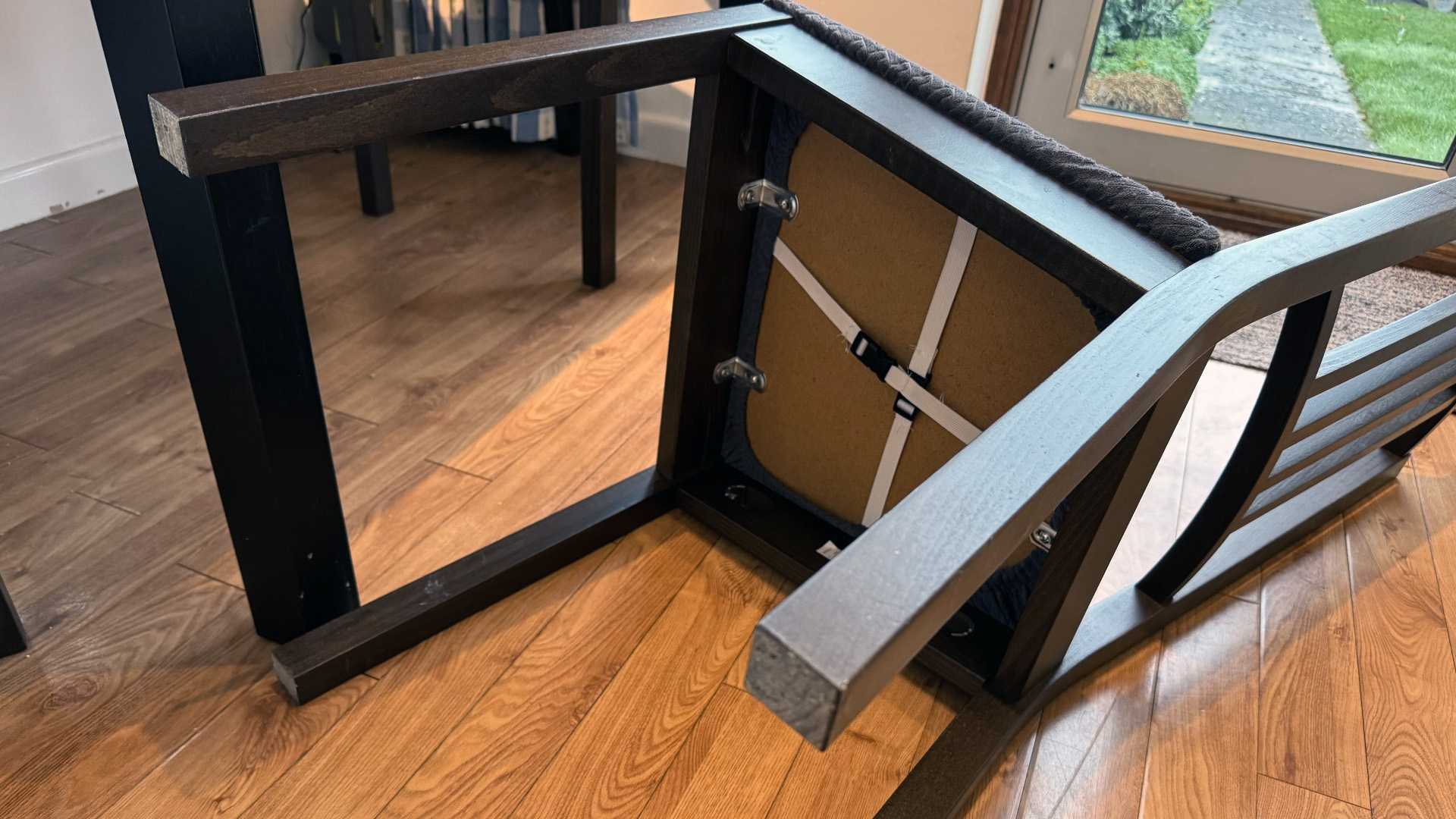
Firstly, you need to figure out which join is causing the wobble. It's probably best to turn your chair or table onto its side to give each leg a wiggle and find out which one is loose.
2. Tighten the screws
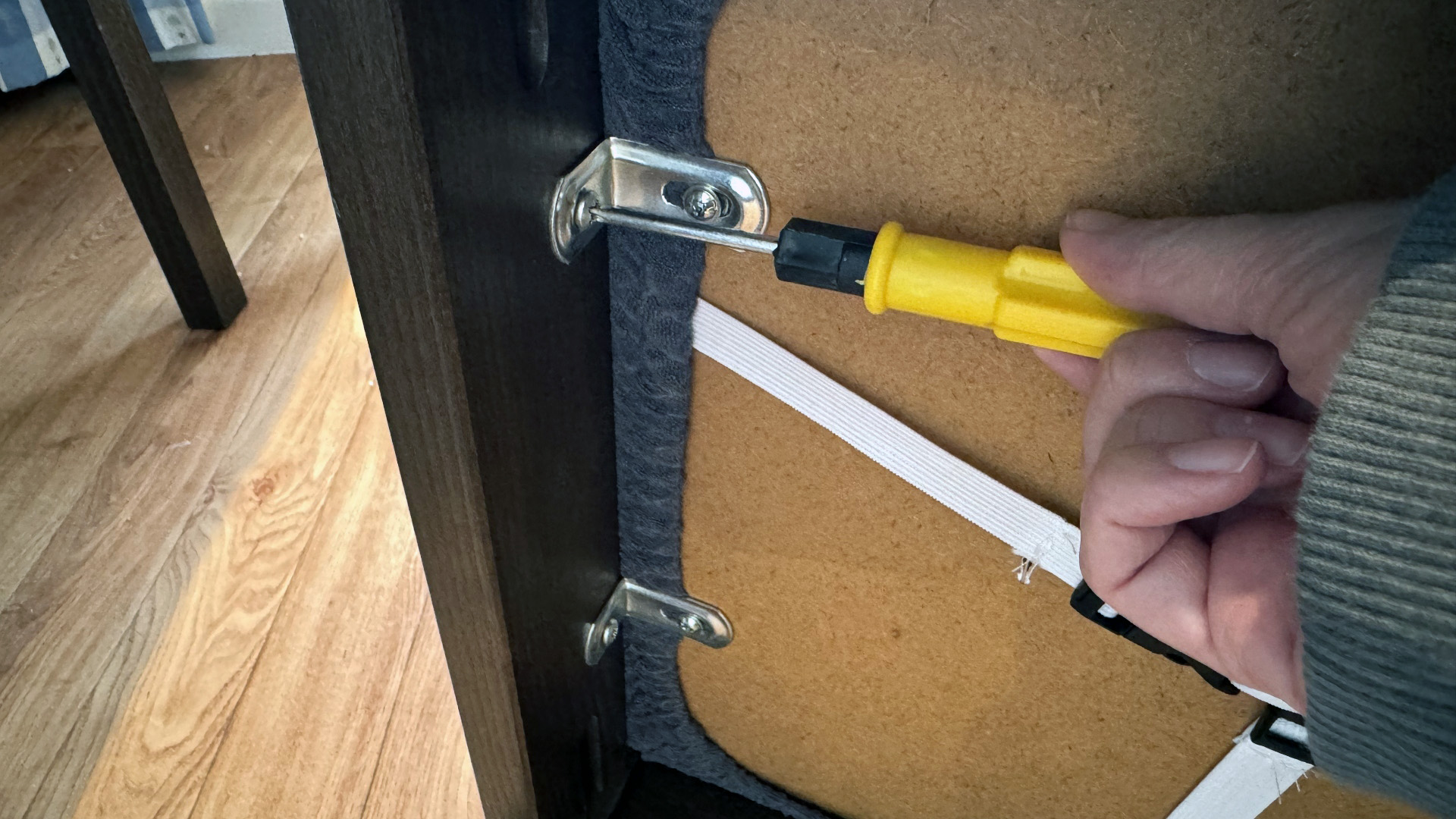
Now, focus in on the problem. For this part, you'll need the allen keys that came with your furniture (or any allen keys you have) or a screwdriver, depending on the screws. Identify the screws at the joint and tighten every one up that you see. Remember the saying: lefty loosey, righty tighty.
3. Stabilize the legs
You may also want to consider investing in some floor protectors. These are usually self-adhesive pads that can be attached to the feet of your furniture for the ultimate fit.
4. If it's too damaged...
While those first steps will hopefully resolve the wobbly issue, IKEA suggests if the furniture is too damaged, then follow this guide to repair the broken part.
Hopefully the screw tightening and floor protectors have done the trick though and you can enjoy your furniture wobble-free!

Follow Tom's Guide on Google News and add us as a preferred source to get our up-to-date news, analysis, and reviews in your feeds.