The concept of the “$100 grocery trip” has changed dramatically over the last few years. In 2020, a hundred dollars could fill a shopping cart. Today, in early 2026, it fills a hand basket. While the runaway inflation of the post-pandemic years has stabilized, it has settled at a high plateau. Prices are not necessarily skyrocketing anymore, but they aren’t dropping back to 2019 levels either. To understand the current purchasing power of a dollar, we broke down a realistic $100 grocery haul for a typical American family in the current market.

The Protein Anchor ($30)
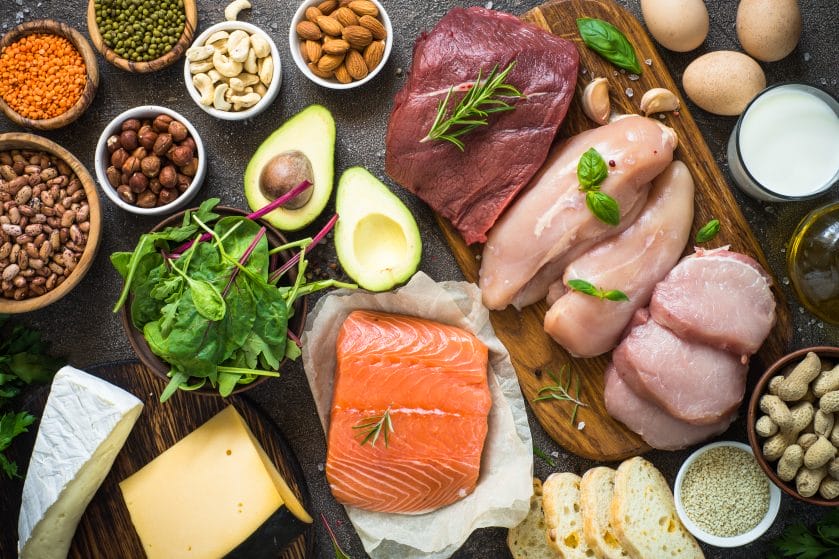
Meat remains the most expensive category, consuming nearly a third of the budget. For $30, a shopper in 2026 can expect to buy three core protein items: two pounds of ground beef (store brand, 80/20 lean), a family pack of chicken breasts (approx. 3-4 lbs), and a dozen eggs. The days of adding a steak or a roast to a $100 budget are gone; those are now separate “luxury” purchases. This protein allocation provides the base for about four to five dinners if stretched with fillers.
The Produce Essentials ($20)
Fresh fruits and vegetables take up the next twenty percent. With $20, you are sticking to the “hardware” produce: a three-pound bag of apples, a bunch of bananas, a bag of carrots, a bag of yellow onions, a five-pound bag of russet potatoes, and a bag of spinach or lettuce. This selection prioritizes items with longer shelf lives and lower unit costs. Out-of-season items like berries or asparagus are budget busters that would force you to cut something else from the list.
Dairy and Refrigerated Staples ($15)

The dairy aisle claims another $15. This buys a gallon of store-brand milk, a pound of butter (which remains historically expensive), a block of cheddar cheese, and a tub of Greek yogurt. Noticeable by their absence are conveniences like shredded cheese or single-serve yogurt cups, which command a premium that the $100 budget cannot support.
Pantry and Grains ($20)
The center store consumes $20 for carbohydrates and fillers. This includes a loaf of whole wheat bread, a bag of rice, two boxes of pasta, a jar of marinara sauce, a box of cereal, and a jar of peanut butter. In 2026, shoppers are almost exclusively buying store brands in this category to make the math work. Name-brand cereal or pasta sauce would instantly push the total over the limit.
Household and Misc ($15)
The final $15 disappears quickly into non-food essentials. A small pack of paper towels and a bottle of dish soap can easily cost ten dollars combined. The remaining five dollars might buy a bag of coffee or a treat, but usually, it is absorbed by tax or a slight price variance in the meat department.
The “Trade Down” Reality
The $100 basket of 2026 is functional, but it is not exciting. It lacks snacks, sodas, alcohol, and convenience meals. It relies heavily on cooking from scratch and utilizing store brands. The purchasing power of $100 has shifted from “stocking the kitchen” to “getting through the week.” It highlights the new normal where careful planning and brand flexibility are not just optional strategies, but requirements for survival.
How far does $100 go in your local store? Do you find yourself buying less meat to keep the bill down? Share your grocery budget reality!
What to Read Next
5 New Grocery Trends for 2026 That Are Secretly Budget Traps
10 Best Grocery Budget Shifts to Make When Food Prices Climb
Winter Pantry Restocks That Stretch a Tight Food Budget
Why Warehouse Clubs Aren’t the Budget Saver They Used to Be
7 Groceries That Reveal a Shopper Is on a Very Tight Budget
The post Here’s What $100 Buys You At The Grocery Store in 2026 appeared first on Grocery Coupon Guide.