The health and human services secretary, Robert F Kennedy Jr, has appointed two new obstetrician-gynecologists to the Centers for Disease Control and Prevention’s vaccine advisory committee. Both are physicians who have publicly disputed prevailing scientific views on vaccines and the use of antidepressants during pregnancy.
Kennedy announced on Tuesday that the two doctors will join the advisory committee on immunization practices (ACIP), which advises the CDC on vaccine recommendations. The additions bring the committee’s membership to 13, following Kennedy’s controversial decision in June to dismiss the previous panel and replace it with 11 new members of his choosing.
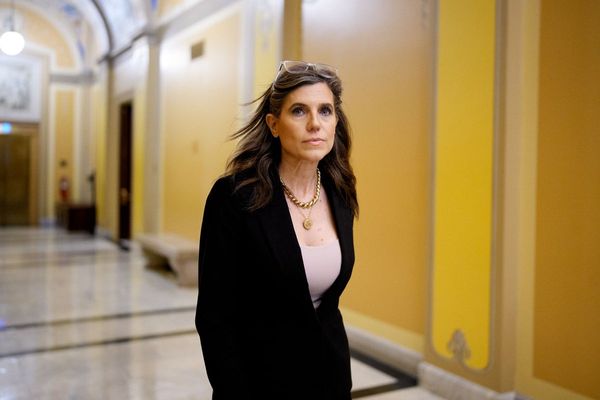
The newly appointed members are Dr Adam Urato, a maternal-fetal medicine specialist with academic experience at Harvard Medical School and Tufts University, and Dr Kimberly Biss, who has held leadership roles at Bayfront Health in Florida and has published research examining Covid-19 vaccine safety in pregnancy.
In a statement announcing the appointments, Kennedy praised their qualifications. “ACIP serves as Americans’ watchdog for vaccine safety and transparency,” Kennedy said. “Dr Urato and Dr Biss bring the scientific credentials, clinical experience, and integrity this committee requires.”
Appearing to align with Kennedy’s own views, Biss has been outspoken in her criticism of Covid vaccines. During testimony before a Republican-led House subcommittee in 2023, she said patients in her practice experienced significant menstrual irregularities after vaccination, some of which she said were severe enough to require surgeries and hysterectomies. Her claims were met with pushback from other medical experts.
Her skepticism has extended beyond congressional testimony. In a December 2022 podcast interview, Biss said “prior to Covid I was not an anti-vaxxer, but I am now because I’ve gone down the rabbit hole, and I would love to be able someday to meet Robert F Kennedy Jr.”
Biss echoed those remarks at a May 2023 panel hosted by the Vaccine Safety Research Foundation, an organization critical of coronavirus vaccines, stating, “I was not anti-vaccine. I am now.”
Last October, Biss appeared on a panel discussion where she argued against what she described as a reflexive dismissal of alternative medical perspectives. She cited skepticism of vaccine safety and referenced guidance from the Trump administration advising pregnant women to avoid Tylenol due to potential autism links.
Most scientific evidence indicates moderate Tylenol use during pregnancy is safe and does not demonstrate a connection to autism.
Urato has similarly challenged mainstream medical conclusions. He has questioned the safety of vaccines given during pregnancy. He has also raised concerns about antidepressant use in pregnancy, particularly a class known as selective serotonin reuptake inhibitors, or SSRIs. Urato petitioned the Food and Drug Administration (FDA) to require warning labels on SSRIs, arguing they cause pregnancy complications and affect fetal brain development.
In a podcast interview last June, Urato said there was a “huge problem” with “over-intervention in medicine”, adding that he believes there is “too much testing, too many drugs, too many vaccines”. He later compared vaccine makers with cigarette manufacturers, accusing them of trying to intentionally “underplay the risks”.
Protect Our Care, a healthcare advocacy group, sharply criticized the health secretary’s new appointments.
“The more RFK Jr stacks his immunization advisory panel with anti-vaccine activists, the more its recommendations will undermine our public health to advance conspiracy theories and anti-science ideology,” Kayla Hancock, director of Public Health Watch, a project of Protect Our Care, said in a statement.
“One of secretary Kennedy’s new ACIP members is perhaps best known for spreading misinformation that the Covid vaccine is somehow magically contagious to unvaccinated women – flying in the face of scientific evidence,” she added. “It’s clear secretary Kennedy is only comfortable in an anti-vax echo chamber with as little input as possible from respected medical experts and peer-reviewed data.”