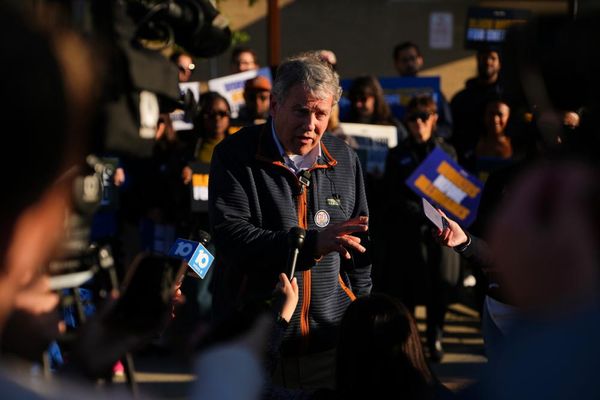
LOS ANGELES — Seventeen months after the Palisades and Eaton wildfires consumed more than 16,000 structures across Los Angeles County in January 2025 — incinerating homes, vehicles, electronics, solar panels, and decades' worth of synthetic materials — families are returning to their properties and rebuilding. Many are doing so without ever being told whether the soil beneath their rebuilt foundations has been tested for the toxic heavy metals, carcinogens, and persistent chemical contaminants that wildfire research consistently shows are left behind when modern structures burn.
The reason is a decision that has now been documented in the Journal of Exposure Science & Environmental Epidemiology, challenged in letters from California state lawmakers, and reported by the Los Angeles Times and CalMatters: the U.S. Army Corps of Engineers and FEMA agreed to remove hazardous ash and up to six inches of topsoil from destroyed properties — but decided not to perform post-remediation confirmatory soil testing. That decision broke with precedent established during every major California wildfire cleanup dating back to the 2018 Camp Fire. And it has left an unknown number of the 13,500+ properties damaged or destroyed by the Palisades and Eaton fires with no verified confirmation that their land is actually safe for human habitation.