Get all your news in one place.
100's of premium titles.
One app.
Start reading
The Times of India
The Times of India
World
TOI World Desk

Hawaii introduced strawberry guava from Brazil in the 1800s for its edible fruit, but scientists now say the invasive tree has spread across the islands, forming dense forests that crowd out native plants, block seedling growth and transform native rainforest understories

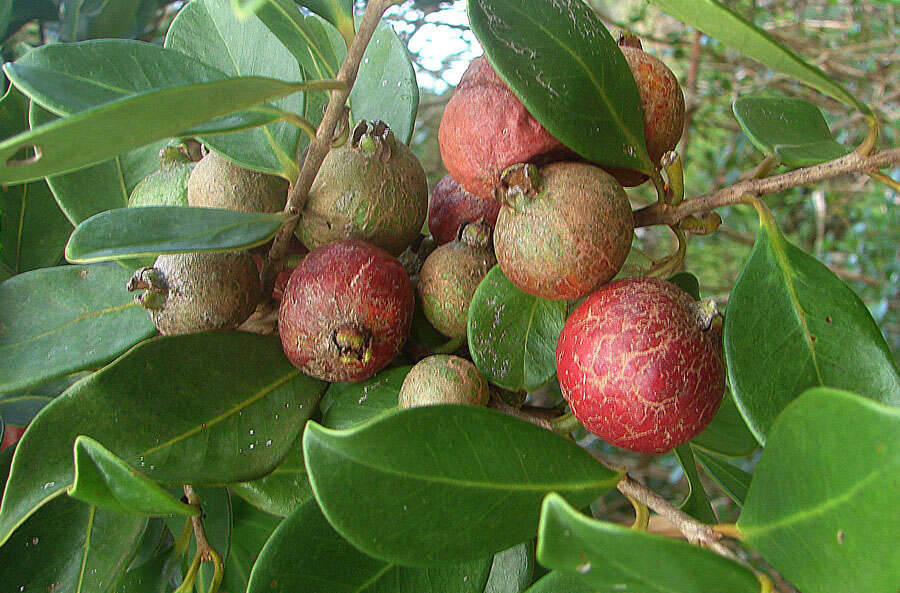
The islands of Hawaii are currently threatened by an ecological menace in the form of a garden plant gone wild. The strawberry guava, which was planted on the islands because of the delicious fruit that it produces, is wreaking havoc upon the native forests and writing a new future for the islands’ woodlands.

Get breaking news anytime, anywhere. Download the TOI app now!

This environmental challenge began in the early 19th century. In 1825, strawberry guava was introduced to the Hawaiian Islands from Brazil. Celebrated for its delicious, aromatic fruit and glossy dark leaves, the plant quickly became a popular fixture in local gardens and landscaping projects. For a long time, it was viewed as a delightful, harmless import that added flavour and charm to the tropical landscape. However, over the decades, this resilient plant escaped the confines of backyard gardens and began moving aggressively into the wild environment.

Exactly how this introduction is affecting the landscape can be seen through a study published by the United States Department of Agriculture Forest Service titled Controlling strawberry guava's invasion . The study explored how this South American tree can dominate the area and disrupt the wilderness of the area. The study found that this strawberry guava has been introduced into hundreds of thousands of acres of conservation lands where it continues to grow at over 10% a year. This unrestricted growth allows for this plant to form dense single-species thickets which block all light from ever reaching the forest floor.

The quiet invasion of the tropical understory

The most important factor allowing this Brazilian plant to take over Hawaiian wilderness lies in the extreme resilience and quick growth of the plant. It should be noted that the study explains how this plant does not simply coexist in the forest but actively competes with other species and dramatically changes the structure of the rainforest understory. Due to the tight growth of this tree, the dense canopy acts as a barrier blocking light from reaching other smaller plants on the forest floor.

This overcrowding makes a very unfriendly environment for the local flora, which has made the islands famous for many years. The research explains how the presence of this vegetation actually prevents the natural cycle of the native forest. The seedlings of the large native trees cannot take root and grow due to the fact that strawberry guava occupies all the soil and deprives it of nutrients and light. Therefore, the native plants are becoming less popular, and the growth of this kind of plant affects the water cycle and biodiversity of the islands.

A complicated struggle to save the islands

Controlling the consequences of the introduction of this plant in the past becomes an enormous task for scientists and environmentalists of the region. Manual removal and chemicals are very expensive and labour-intensive measures. As explained in the research, although the local national parks have tried to apply manual clearance in spots of endemic biodiversity, the strawberry guava has penetrated large areas of the rough landscape, making it impossible to remove the invasive plant only physically.

To combat this global problem, researchers and conservation authorities were required to focus on more sustainable and long-term solutions, which included biocontrol. The biocontrol method is aimed at using plant-specific methods to control the growth of this plant by taking advantage of species-specific controls from the native Brazilian habitat of the plant, for example, a specialised gall-forming insect of leaves. The study suggests that management of Hawaii’s forests is a continuous process.

Sign up to read this article
Read news from 100's of titles, curated specifically for you.
Already a member? Sign in here
Related Stories
Top stories on inkl right now
One subscription that gives you access to news from hundreds of sites
Already a member? Sign in here
Our Picks
Fourteen days free
Download the app
One app. One membership.
100+ trusted global sources.