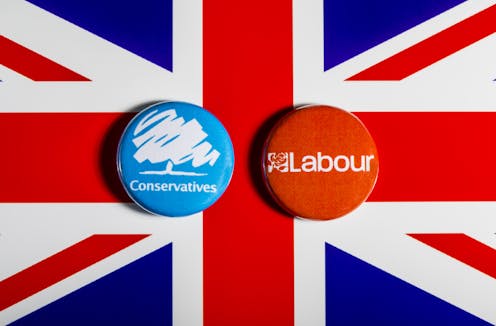
With the UK counting down to the general election on July 4, a question many voters may be asking is whether the economic policies of Labour and Conservative governments tend to deliver different economic outcomes.
The two ideologically divided dominant parties have always promoted alternative approaches to managing the nation’s economy, each promising a better economic outcome. But have their social, ideological and policy differences actually led to divergent effects on key indicators such as GDP, unemployment and inflation?