
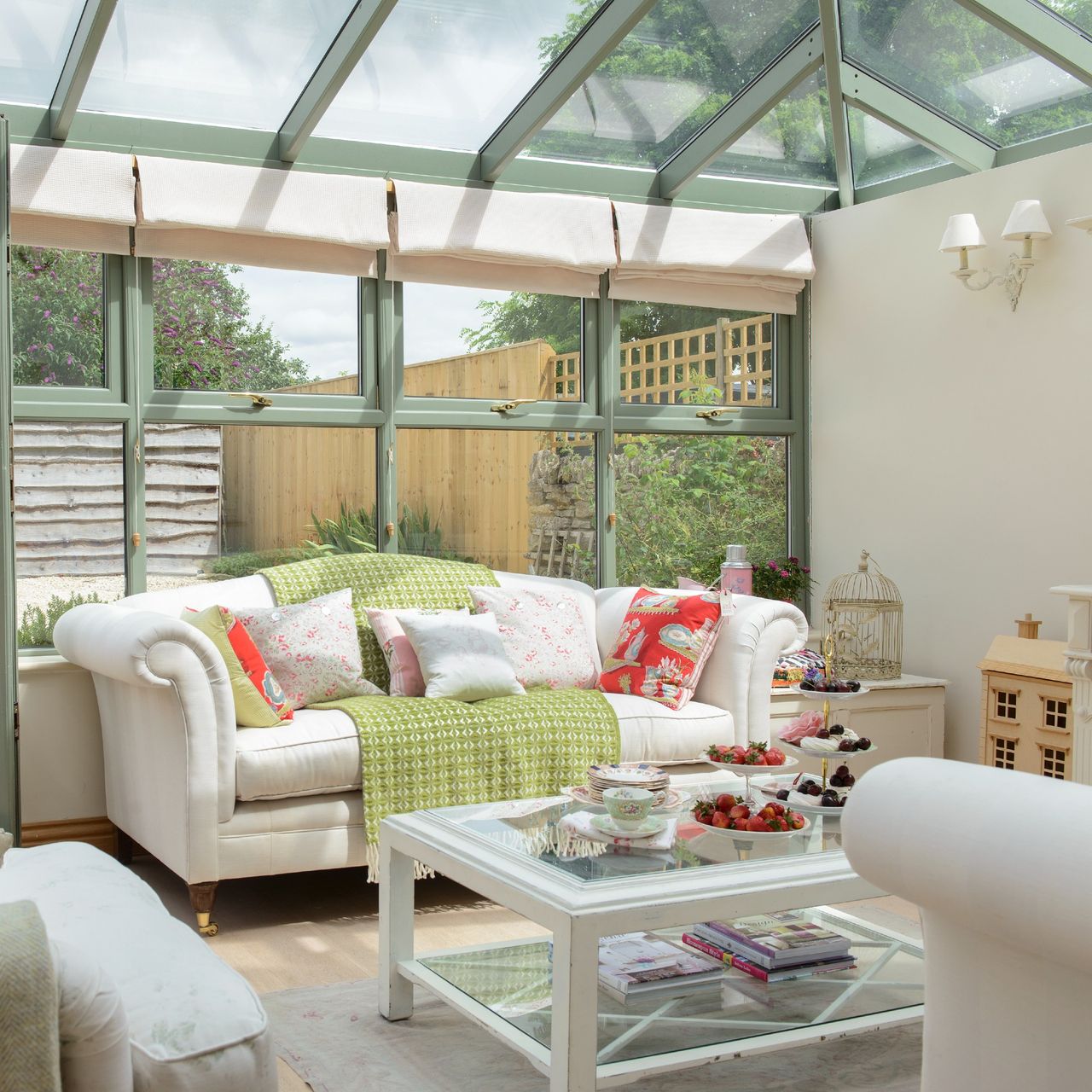
There was a time, as far back as the 17th century even, when conservatories were seen as the height of sophistication, a status symbol even, signifying wealth and good taste. Designed to protect plants, gathered from travels afar, they were beloved by nobility and a staple of stately homes.
However, over the years, things changed and, certainly by the 1980s and 1990s, the conservatories being stuck onto the back of houses were nothing like the elegant wrought iron and timber glazed structures that went before. These were often cheaply constructed, made of poor-quality uPVC and with either polycarbonate roofs or glazing that wasn't properly sealed or designed, leading to a slew of issues, such as draughts, leaks, condensation and, of course, overheating. Add to that the fact that little thought was often given to how to add a conservatory that actually suited the houses they were being attached to and you can see how questions started to be asked about how appealing these structures actually are.