
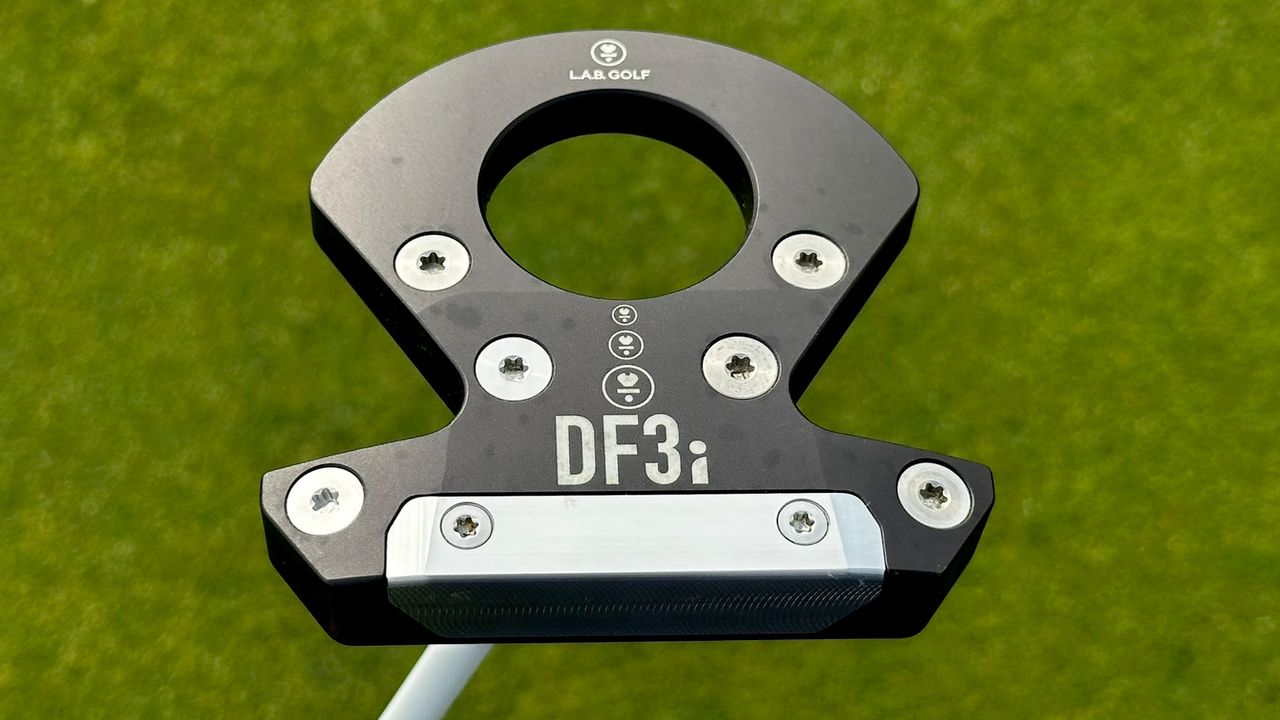
L.A.B. Golf has undeniably become a major player in the putter market challenging established brands like Odyssey and Scotty Cameron, especially after J.J. Spaun captured the 2025 U.S. Open by sinking a 64-foot monster putt with his DF3. Building on that momentum, the brand has introduced the new DF3i.
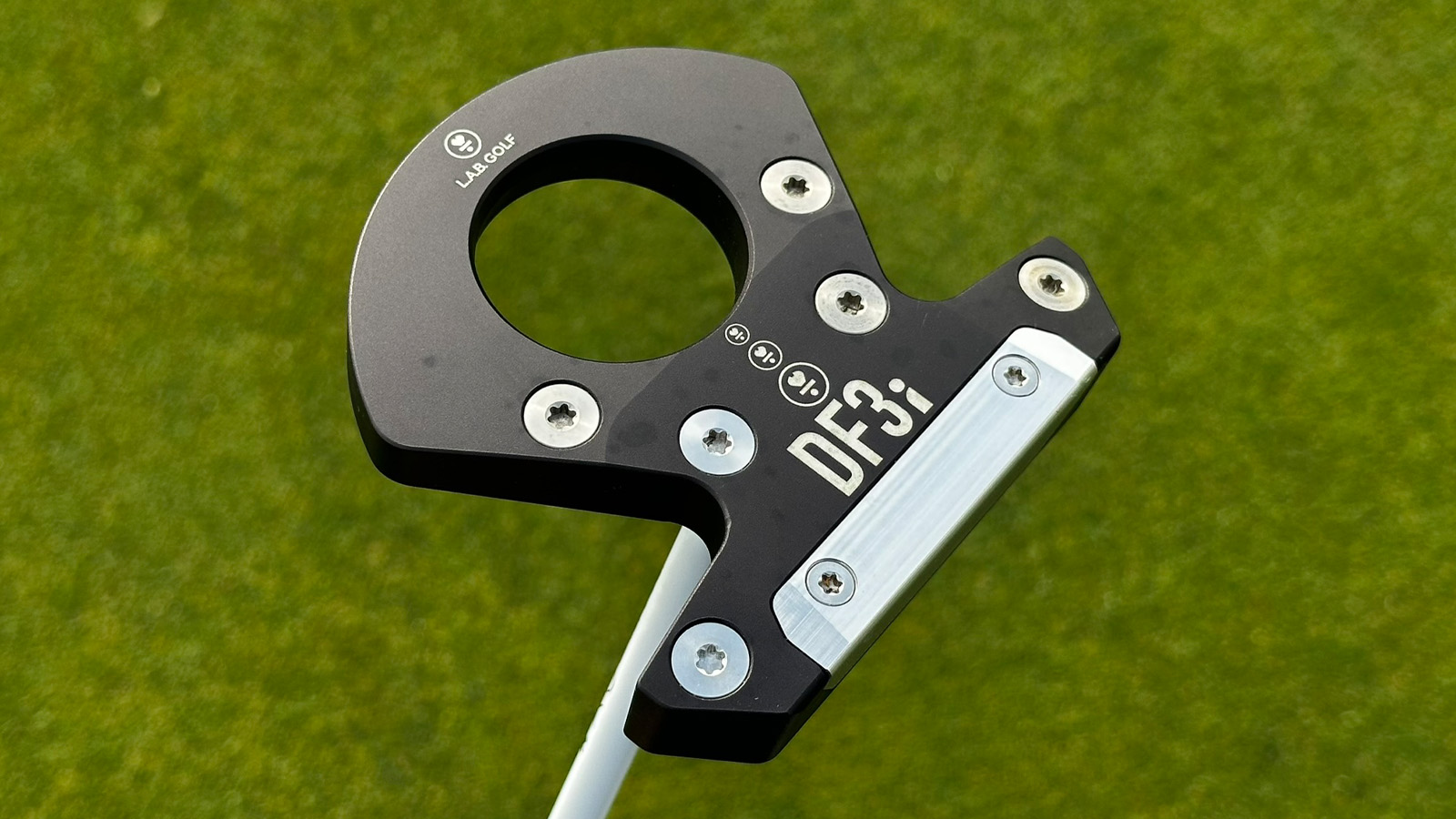

While it’s certainly a unique putter, the only real criticism of the original DF3 was that the ball came off a bit soft and slow for some. The DF3i has been designed to correct this by replacing the face with a fly-milled stainless-steel insert bonded to the 6061 aircraft aluminum body, the same one found in the Oz.1i putter.

I have always used a milled face putter, so I couldn't have been more excited to test the DF3i and get a true understanding of the responsive feedback at impact. However, I’ve typically used a blade, so going from just a mallet to an extremely large zero-torque putter was a huge aesthetic change and one that took some getting used to.
It took at least 9 holes to get over the looks at address, but taking advantage of L.A.B. Golf's extensive customization options (from $599) helped. I opted for a custom sight dot and another line running across the top line of the putter.
These specific alignment aids really helped me retain the creative feel I typically get when using a standard blade, making the large footprint far less intimidating over time.

When it comes to feel, the DF3i delivers exactly what is promised thanks to the new stainless-steel insert. It's much faster off the face than the original model - something I felt was needed, and provided an extra pop, allowing me to have really impressive distance control when putting from longer range by not having to swing the putter back ludicrously far.
It was on shorter distances that the patented Lie Angle Balance technology truly shone. The notion of just aiming and rocking my shoulders when putting from 10ft and in was something I enjoyed, and I saw great success on straighter putts. The putter simply wants to stay square, and I felt simply putting with the ‘larger muscles’ was the best way I could complement it.

However, this rigid stability proved to be a double-edged sword on trickier reads, as I found that I struggled with putts with lots of break, due to how straight the stroke feels. The putter fights any manipulation or face rotation, which made feeding the ball into the break feel less intuitive than it does with a blade, and I felt it took away some creativity from my stroke and putting as a whole.

If you loved the shape and design of the DF3 but craved a firmer, more responsive impact, the DF3i is the answer. It may take a round or two to adjust your eyes, but the consistency it brought, primarily to my close-range putting, is hard to argue with.