One of Israel's popular rave sites has recently gained attention for an unexpected reason - it was targeted by Hamas, the Palestinian militant group. While this may seem like a disturbing incident, it has strangely garnered interest and drawn tourists to the region.
The site in question is Zorba, a well-known outdoor party venue in the eastern outskirts of Tel Aviv that has become an emblem of Israel's vibrant and energetic nightlife scene. With its state-of-the-art sound systems, colorful lighting, and an open-air setting, Zorba has been attracting partygoers from around the world. However, its recent prominence stems from a rocket attack carried out by Hamas during an escalation of tensions between Israel and Palestine.
The attack occurred during a festive event at Zorba, causing chaos and panic among the attendees. Fortunately, no serious injuries were reported, but the incident made headlines internationally. While understandably a distressing event for the locals, it has surprisingly piqued the curiosity of some tourists, who are now seeking to visit the site out of a mix of fascination and morbid curiosity.
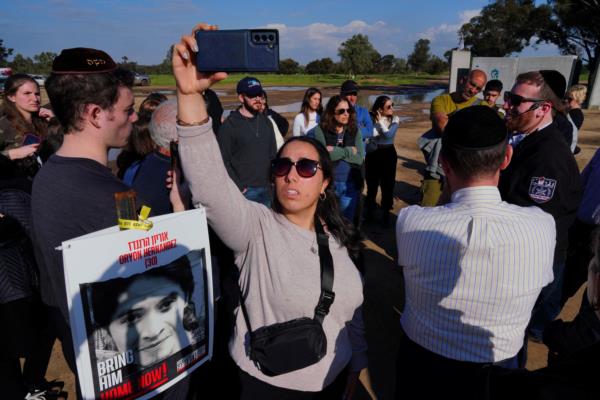

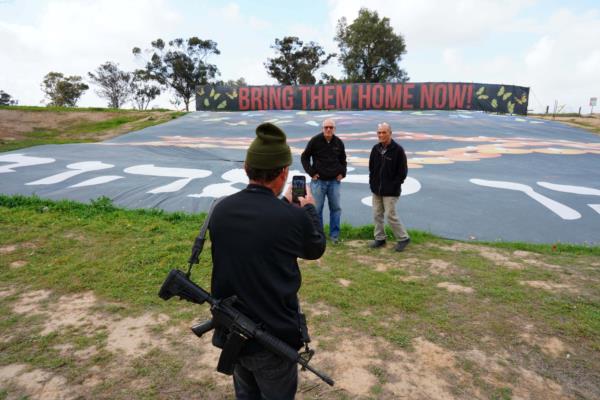

In the aftermath of the attack, Zorba has embraced its newfound notoriety, offering specialized tours that provide a closer look at the impact of the conflict on Israel's party scene. These tours, led by experienced guides, offer visitors a unique perspective on the ongoing political situation in the region, the complexities of the Israeli-Palestinian conflict, and the resilience of the Israeli people.
Participating in these tours allows tourists to witness the aftermath of the attack firsthand and gain a deeper understanding of the realities faced by Israelis under the constant threat of conflict. Moreover, it serves as a reminder that despite the challenges, Israel's nightlife and party scene remains an integral part of the country's cultural fabric.
Some might find it peculiar that an incident such as an attack would have a tourism appeal, but it is not uncommon for travelers to seek out experiences that delve into the social and political dynamics of a destination. It is a way for those seeking a more nuanced understanding of a place to engage with its history and current events.
While it is important to approach these tours with sensitivity and respect for the local context, they provide an opportunity for visitors to connect with the people and stories that often go untold in mainstream media coverage. They can foster empathy and promote a more comprehensive understanding of the complex issues at play in the Israeli-Palestinian conflict.
Ultimately, the incident at Zorba serves as a reminder that life in Israel is a delicate balance of joy and resilience in the face of adversity. By attracting tourists who are eager to gain a deeper understanding of the region and its complexities, the site plays a unique role in promoting dialogue and fostering connections between people from different backgrounds.