
Get all your news in one place.
100's of premium titles.
One app.
Start reading
Kiplinger
Kiplinger
Business
Paige Cerulli

Hail Damage Insurance Claims: Is Filing Worth the Cost and Hassle?

(Image credit: Getty Images)

Americans faced 5,430 severe hail events last year, according to the National Weather Service Storm Prediction Center Annual Severe Weather Report Summary. And that's considered a relatively mild year for hailstorms, with the count topping 7,300 in 2024 and over 10,000 in 2023.

The point is: Hail happens often, especially if you live in the Midwest. And the damage these natural disasters cause adds up. According to a 2023 analysis by State Farm, the major insurance agency paid out $3.5 billion in hail-related claims that year. That's just one insurer in one year.

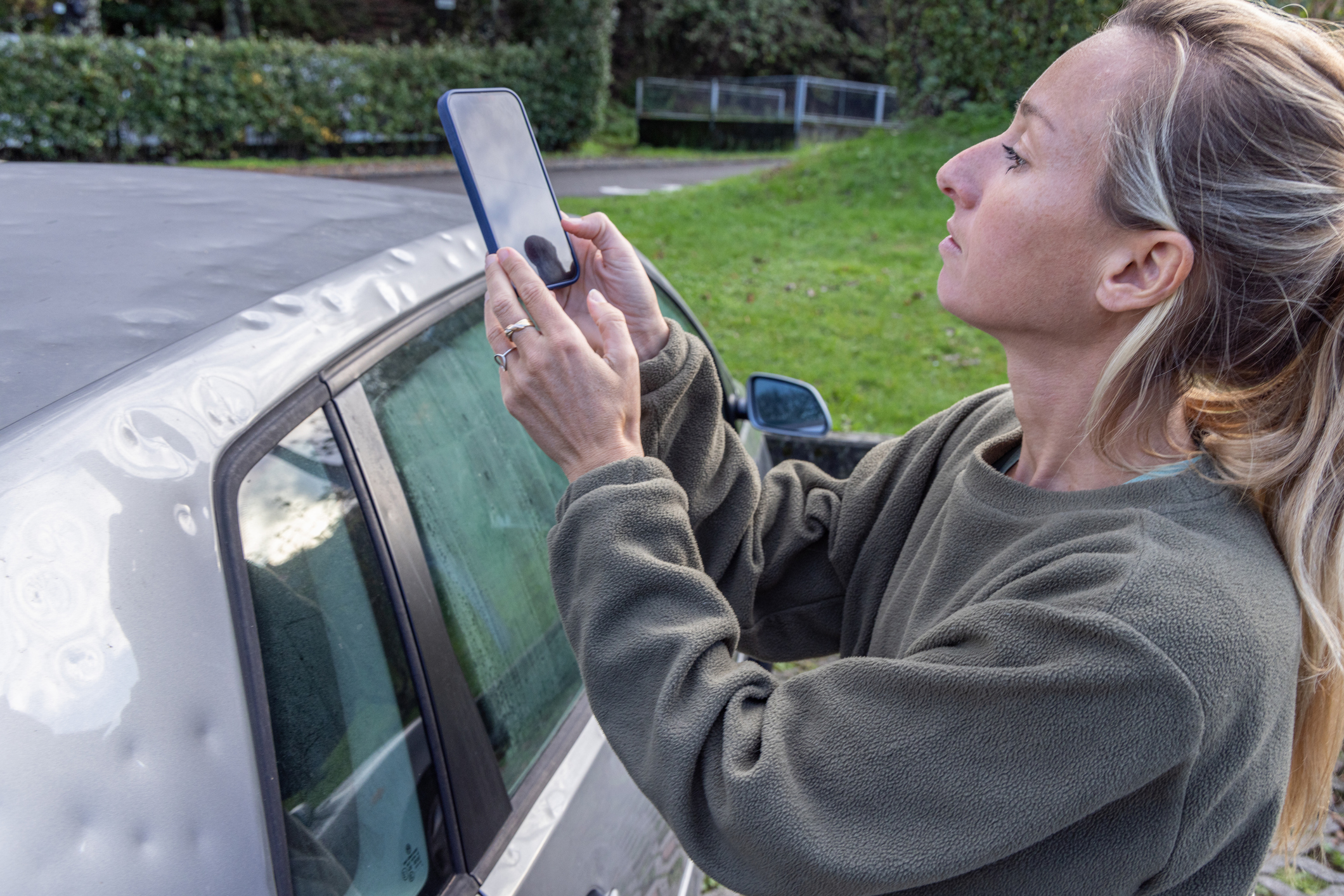
Hail can dent vehicle exteriors and crack windshields, as well as damage your home's roof, gutters and windows.

Fortunately, your home and auto insurance policies can help cover some of the costs of repairing your home or vehicle. To maximize your insurance payout, you'll need to be sure to meet your insurer's claim requirements.

In some cases, it may make more sense to pay for the damage out of pocket, so before you file a hail damage claim, take a moment to review whether it will pay off.

Is a hail damage insurance claim worth it?

(Image credit: Getty Images)

Before you file a hail damage claim, start by reviewing your insurance policy. Most homeowners insurance policies and comprehensive auto insurance policies cover hail damage. Confirm that you have coverage for hail damage but also review your deductible to decide if you should file the claim.

Your insurance deductible might be as small as a few hundred dollars or it could be several thousand dollars. Whatever you've set it at, consider whether the cost of the hail damage will exceed the deductible.

For example, if you have a $4,000 deductible and your home has sustained only minor damage, it may make more sense not to file a claim. You'll be paying the bulk of the repair costs out of pocket anyway, so there's no reason to add a claim to your record.

You'll also need to consider potential rate increases and long-term implications. Filing a claim can also cause an insurer to increase your premiums. Insurers base your rates, in part, on how likely you are to file a claim. So, the logic is that if you've filed one in the past, you're more likely to file another one in the future. The insurer may raise your rates as a result.

If you have multiple claims in a short period, you might even face a nonrenewal or cancellation down the road if you file another claim now as the company decides you're too risky to insure.

Generally speaking, it makes sense to file a hail damage insurance claim when the damage is substantial and will cost more than your deductible to repair. If you have minimal damage and the repairs are affordable, you may decide to pay for the repairs yourself, avoiding any insurance premium increases.

How to file a hail damage insurance claim

(Image credit: Getty Images)

If you decide a hail damage claim is worth it, you should immediately document the damage to your home or car right away. Take clear, detailed photos and videos from different angles and include a timestamp.

Try to estimate the size of the hail and take photos of the hail with a common object, like a dollar bill, for a size reference. Keep your photos and videos organized and label them so you can easily access them. Make sure to write down the date and time when the damage occurred, too.

Next, file the claim with your insurance company. To get an insurer to pay your claim after a natural disaster, it's important to file quickly. Many insurance companies now have apps that you can use to file a claim, and you can often upload photos right within the app.

If you have questions about the claims process, you can also file a claim over the phone. Be sure to record the representative's name and date of the call, and take detailed notes about any next steps.

If this is your first claim, pay attention to how the claims process was. Was it a smooth process, or was it overly complicated and riddled with unhelpful customer service every step of the way? If your current insurer made filing this claim a headache, it may be worth shopping around ahead of your next renewal to see if you can find better rates (and service) elsewhere.

For car insurance, you can start your search with our car insurance comparison tool, powered by Bankrate:

Tips for working with adjusters on your hail damage insurance claim

Once you've filed a claim, your insurance company will usually schedule a time for an adjuster to come out and review the damage in person. In the meantime, contact local contractors or auto repair specialists to get quotes of your own. Try to gather three quotes in writing for the repair costs.

During your appointment with the adjuster, you can share your photos and videos and the repair quotes that you’ve gathered. The adjuster will review the damage, estimate the repair costs, and prepare an initial claim offer.

You don't have to accept the initial claim offer if it doesn't cover all of the work and expenses that the contractors included in your estimates. You can contact the adjuster again and highlight the differences in cost, and they may be willing to increase the offer.

If you don't reach an agreement with the adjuster, you have several other options:

  • Hire a public adjuster: A public adjuster works to help you get the claim amount that you're entitled to. When hiring a public adjuster, look for someone local and research the company's reputation. Public adjusters charge a percentage of the claim payout that you receive in exchange for their service.
  • Contact your state's insurance commissioner’s office to file a dispute: Your insurance commissioner can advocate for you and can work to reach a claim payout agreement that's fair.
  • Hire a lawyer to represent you: A lawyer can negotiate with the insurance company on your behalf and may be able to secure an agreement that covers your repair costs. If the lawyer can't reach that agreement through negotiation, they can represent you in court. Hiring a lawyer can be very expensive, so this option makes the most sense if your house has sustained extensive damage and you have a very expensive claim.

How to complete the insurance claim process

Once you've agreed on a payout amount, sign the claim agreement to finalize the claim. Your insurance agent will inform you how you'll receive payments, whether you'll receive one or more checks in the mail or the insurer plans to pay the contractor directly.

Your insurance company may recommend local professionals who can repair your home or car. But you have the right to choose your own contractor or repair shop. You might decide that one of the contractors you received a quote from is right for the job, or you can continue speaking with local contractors until you find one you trust. Be sure to ask the contractors about their timelines, including when they'll be able to start and finish work.

Dealing with hail damage is an inconvenience, but filing a claim with your insurance company can help pay for many of the costs involved. By properly documenting the damage and being prepared to work with the adjuster, you can maximize your claim payout to cover most of your repair costs.

Compare some of today's top home insurance offers with the tool below, in partnership with Bankrate:

Related Content

Sign up to read this article
Read news from 100's of titles, curated specifically for you.
Already a member? Sign in here
Related Stories
Top stories on inkl right now
One subscription that gives you access to news from hundreds of sites
Already a member? Sign in here
Our Picks
Fourteen days free
Download the app
One app. One membership.
100+ trusted global sources.