Those among Muslims who were opposed to a negotiated settlement in the Babri Masjid case had always believed that it would not bring a closure to the most discordant chapter in India’s interfaith history. Indeed, such a concession would be the beginning of unending demands for the handing over of hundreds of other “disputed” mosques in India. After all, the Muslim conservatives argued, one of the many unnerving post-demolition slogans since 1992 was, “ Yeh toh sirf jhanki hai, ab Kashi, Mathura baaki hai (This is only the trailer, now Kashi and Mathura remain),” Kashi and Mathura being metonyms for the Gyanvapi mosque in Varanasi and the Shahi Idgah mosque in Mathura, respectively.
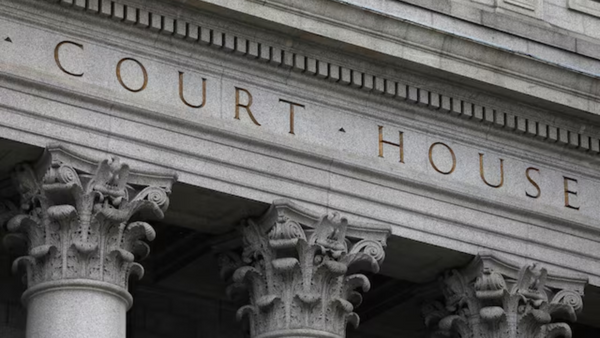
Before the judiciary
Their worst fears came true first in December 2019 when, a month after the pronouncement of the Babri Masjid verdict, a suit was filed in a local Varanasi court over the Gyanvapi-Vishwanath dispute; and then in April this year when a civil judge in Varanasi ordered the survey of the Gyanvapi mosque complex on a plea by five Hindu women demanding daily access to it for doing pooja.