Get all your news in one place.
100's of premium titles.
One app.
Start reading
The Times of India
The Times of India
World
TOI World Desk

Gulf states 'losing patience' with Iran, could join US-Israel war against Tehran: Report

Iran’s Gulf neighbours are weighing the possibility of joining the United States-Israeli war against the Islamic Republic but could be pushed further into entering the conflict if Tehran follows through on its threats to target their critical infrastructure, according to people familiar with the situation.

Click here for live updates

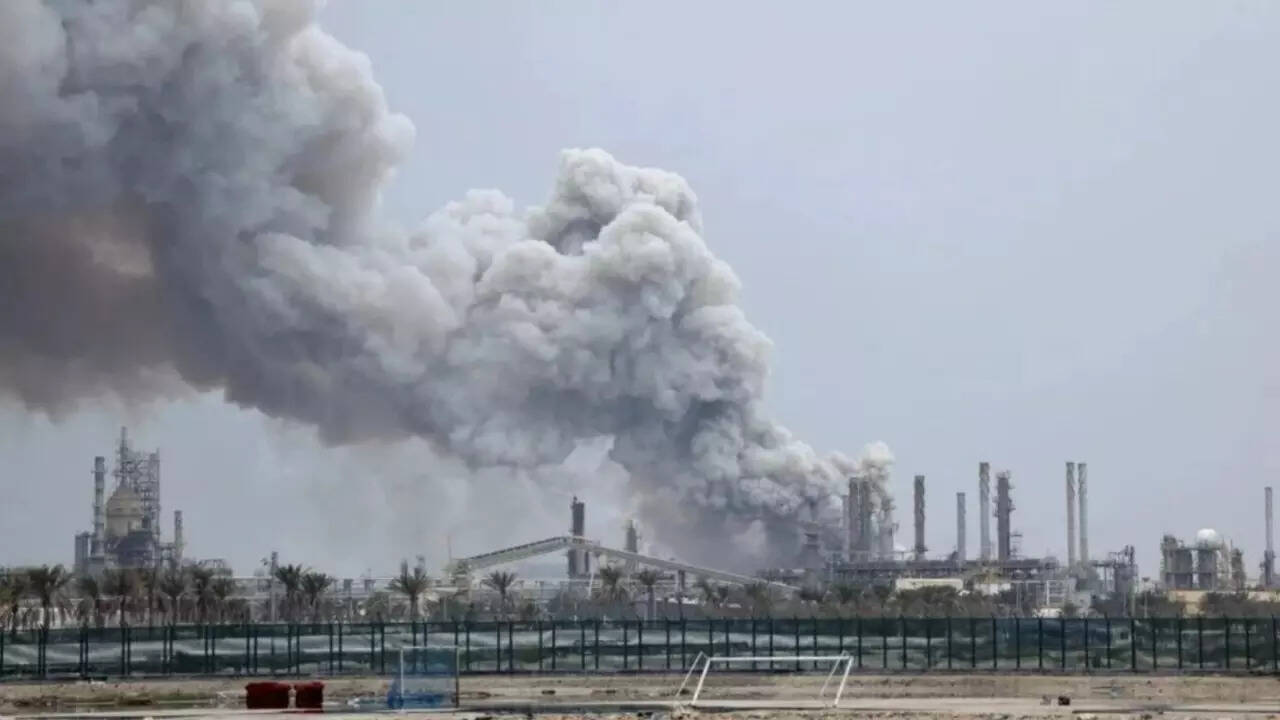
The Gulf’s most powerful states, particularly Saudi Arabia and the UAE, are “losing patience” with Iranian strikes that have already targeted their ports, energy facilities, and airports, Bloomberg reported, citing sources.

According to a European diplomat, most Middle Eastern countries are moving in that direction but remain "cautious" about joining the conflict, fearing Iran could escalate attacks against them. They are also wary of US President Donald Trump potentially “cutting a deal” with Tehran, which could leave them facing a “wounded and angry regime.”

However, it is a double-edged sword, as many Middle Eastern governments fear this could happen even if they stay out of the war.

Oman is the only Gulf state unlikely to enter the war. Muscat had been mediating between the US and Iran before American and Israeli strikes on February 28 triggered the current conflict.

Trump has since repeatedly claimed that Iran is seeking a deal—an assertion rejected by Tehran.

Iran has justified its attacks on neighbouring countries by citing the presence of US military bases on their soil and alleging that Washington has used their airspace and territory to carry out strikes—claims those countries have rejected.

Iran’s foreign minister, Abbas Araghchi, has previously suggested that the powerful Islamic Revolutionary Guard Corps launched attacks on neighbouring states after being left without clear leadership following the death of Supreme Leader Ayatollah Ali Khamenei in targeted US-Israeli strikes. The Guards report directly to the Supreme Leader.

Khamenei’s son, Mojtaba, has since been named as his successor, though his whereabouts remain unknown and he is believed to be seriously injured.

Iranian President Masoud Pezeshkian later "apologised" for the attacks, saying that Iran would retaliate only if attacked first.

Potential US bid to seize Kharg Island could prompt 'even bigger backlash'

If Trump follows through on threats to seize Kharg Island—through which roughly 90% of Iran’s crude exports pass—it would trigger an “even bigger backlash” from Tehran across the region, a senior Iranian official close to the security establishment told Bloomberg.

Also Read | Missiles & layering mines: How Iran is preparing to foil potential US bid to capture Kharg Island

The official said any US ground operation would likely involve troops deployed from the UAE, which hosts Al Dhafra Air Base. If Emirati territory were used, Iran would respond with a “severe attack," he warned.

He added that if America were to take control of Kharg, Iran "would not hesitate" to strike the island, even at the cost of significant economic losses, and could lay mines in the Strait of Hormuz and across the Persian Gulf.

Also Read | 'Friendly nations' only: Iran allows India, Pakistan, 3 other countries to use Strait of Hormuz amid war

The official further stated that if Iran continues targeting Gulf states and obstructing the Strait of Hormuz, it could push regional countries to form a coalition to confront Tehran’s “state terror,” potentially similar to the alliance formed to fight ISIS in Iraq and Syria.

Missiles and drones

Since the start of the conflict, Iran has launched nearly 5,000 missiles and drones at Gulf states, targeting oil and gas infrastructure, US bases, residential areas, diplomatic zones, and tourist sites. The UAE has borne the brunt of these attacks, with at least 20 people killed across Arab Gulf nations.

On Monday, Trump warned that Washington could target Iran’s power plants if it failed to reopen the key Strait of Hormuz—a threat he later paused for five days to allow room for diplomacy. Tehran swiftly responded by identifying power and water desalination plants in Bahrain, Jordan, Kuwait, Qatar, Saudi Arabia, and the UAE as potential targets for retaliation.

Also Read | From 48-hour ultimatum to 5-day pause: Trump cites ‘productive’ US-Iran talks, halts strikes on energy infrastructure

These developments are pushing Gulf states toward the realisation that a more coordinated response—both among themselves and with American and European allies—may be necessary, a senior Gulf official said.

While individual countries have been mobilising their own military capabilities, discussions are reportedly underway on a collective approach to counter Iran.

Such a possibility was discussed during a meeting of foreign ministers in Riyadh last week, people familiar with the deliberations said. All Gulf states attended except Oman, along with Egypt, Pakistan, and Turkey.

Although Saudi Arabia continues to favour diplomacy, it is prepared to take military action if its power and water facilities are targeted.

The UAE has emerged as the most vocal in the region in signalling that some form of collective military action against Iran may become “unavoidable,” according to officials.

Sign up to read this article
Read news from 100's of titles, curated specifically for you.
Already a member? Sign in here
Related Stories
Top stories on inkl right now
One subscription that gives you access to news from hundreds of sites
Already a member? Sign in here
Our Picks
Fourteen days free
Download the app
One app. One membership.
100+ trusted global sources.