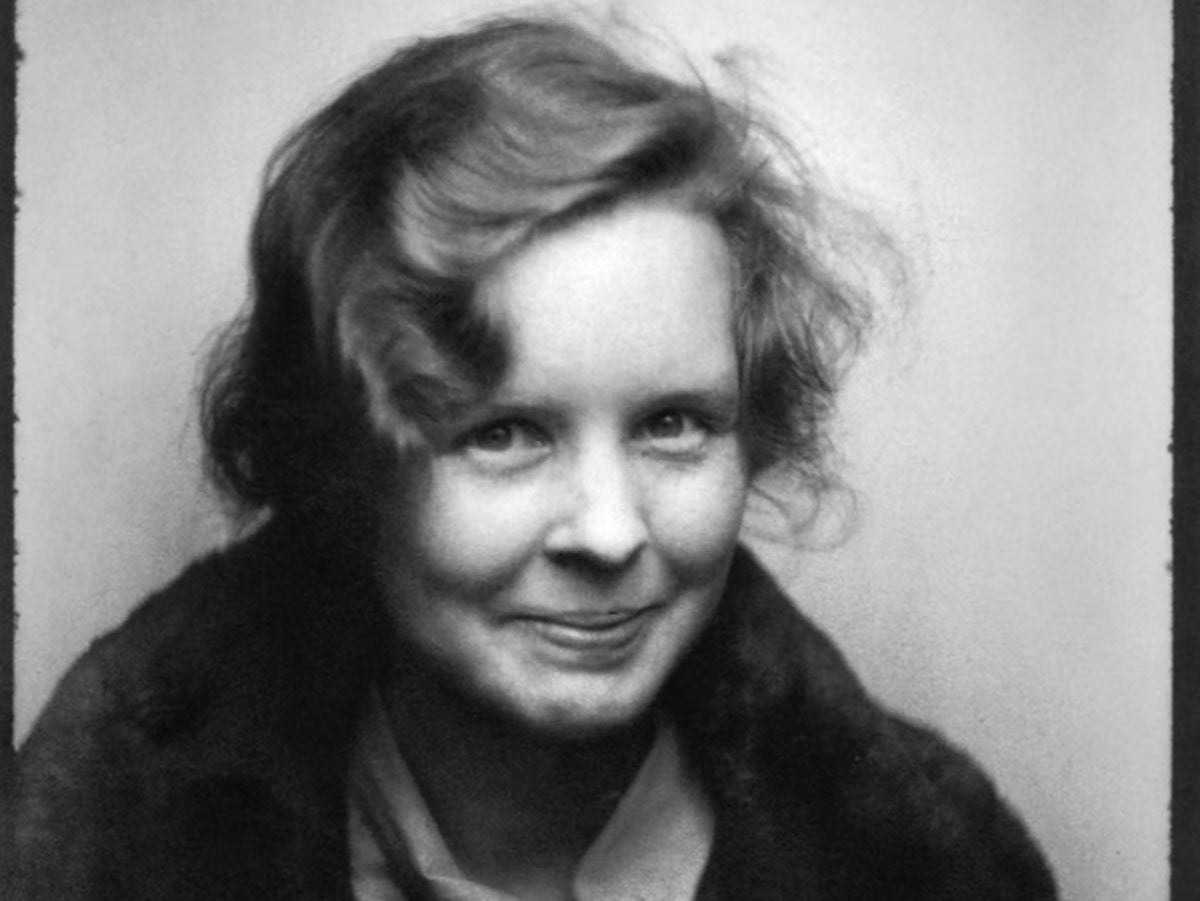
When American painter Alice Neel was in her eighties, she would telephone friends just to exclaim, “Guess what, I’m alive!” The artist, known largely for her portraits, loved to paint people naked – stripped of “fussy” layers of clothing and “Mickey Mouse jewellery”. Born in Philadelphia in 1900, Neel was a radical humanist and a champion of social justice until her death in 1984. In her fifties, she was investigated by the FBI, having been identified as a “romantic, Bohemian-type communist”. When two agents came to her door, she could not resist asking whether they might sit for a painting. They declined – but many others obliged, baring their souls to Neel’s sinuous blue line. Her canvases, which saw her crowned the “court painter of the underground”, celebrate the socially marginalised – from queer artists to striking workers and her neighbours in Spanish Harlem. Neel was an eccentric and a nonconformist throughout her life – not only in terms of artistic style, but in the way she lived.
One of the reasons Neel painted, she said, was “to catch life as it goes by, right hot off the griddle”. These words – which might well be “Guess what, I’m alive!” under another guise – form the evocative title of the UK’s largest exhibition of her work to date, which opens at the Barbican this week. Alice Neel: Hot Off the Griddle, organised in collaboration with the Centre Pompidou, Paris, will bring together paintings from throughout her sixty-year career and give this underacknowledged artist a whole new audience.