Get all your news in one place.
100's of premium titles.
One app.
Start reading
The Times of India
The Times of India
World
Vishant Agarwala

Grimmest climbing year since '15 as bad weather, risky calls kill 40

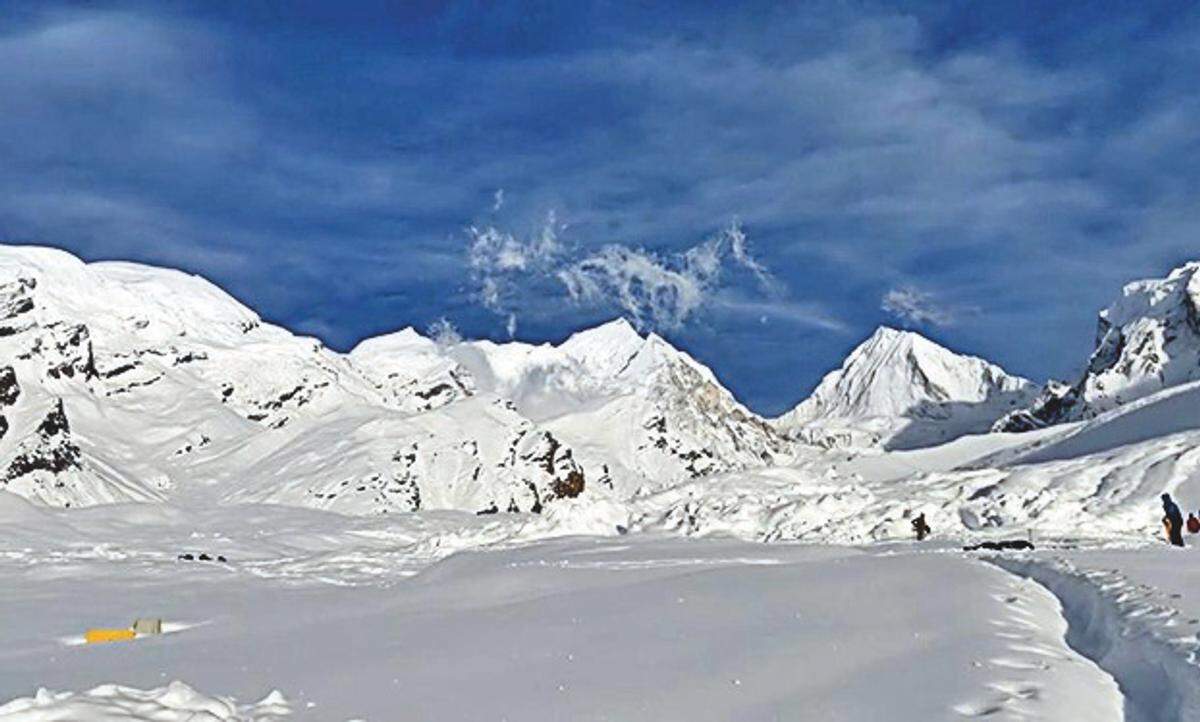
At least 40 climbers and expedition workers have died across Nepal’s Himalayas and PoK’s Karakoram since May this year, making 2026 the region’s deadliest mountaineering year since 2015. Heavy snowfall and changing weather created hazardous conditions, but decisions to continue climbing or remain at exposed camps despite worsening weather also figured in several deaths. Two avalanches accounted for 26 fatalities; 10 were on Broad Peak (8,051m), including record-setting mountaineer Nirmal Purja and five other accomplished Nepalese climbers, and 16 at Himlung Himal (7,126m).

Get breaking news anytime, anywhere. Download the TOI app now!

High-altitude expedition safety analyst Dr Aris Thorne told TOI commercial considerations and record-setting attempts could complicate decisions to turn back. “When stakes are this high, climbers often gamble against the mountain's timeline rather than the weather forecast. We saw teams bypass obvious red flags because turning back means writing off thousands of dollars and months of logistical prep. It’s an unspoken hubris that treats safety margins as negotiable.”

Veteran high-altitude alpine historian Vaughn Vance said: “The obsession with ticking off commercial milestones has blinded many to the reality of the death zone. When you have millions of dollars tied up in marketing campaigns and summit sponsorships, objective risk assessment gets thrown out the window.”

Nepal has no strict qualification requirements for climbers attempting its peaks, an issue that has concerned experienced mountaineers. “You have to qualify to do the Ironman,” prominent Everest chronicler and climber Alan Arnette said. “But you don’t have to qualify to climb the highest mountains in the world?”

On Manaslu (8,163m), Indian-origin climber Dhrubajyoti Guha and his guide, Fursemba Sherpa, continued towards Camp III while six others retreated amid worsening weather. Guha and Sherpa were later found buried inside their tent. “Six other climbers who decided to retreat from Camp 2 are safe,” Makalu Adventure managing director Mohan Lamsal had told TOI . He said the pair had headed higher for an early summit attempt.

At Himlung Himal, 16 Nepalese expedition workers were killed in a Sept 27 avalanche while preparing base camp. Among them were a cook and kitchen assistant from the team of Imagine Nepal's Mingma Gyalje Sherpa, who led the rescue operation. “We could have saved lives today, but due to bad weather, we reached the accident site only in the evening,” he wrote on Instagram.

Mingma said he had repeatedly urged the two workers to leave base camp as conditions deteriorated. “They came down briefly and then went back to base camp. They were swept away by the avalanche on Sunday morning,” he said.

For high-altitude workers, however, leaving early can carry financial consequences. “People ask why the workers didn't just evacuate when the warnings came down,” Himalayan workers’ rights advocate Maya Sherpa said. “But for a high-altitude worker, leaving base camp early can mean losing seasonal wages, or worse, being branded as uncooperative by outfitters. They are often trapped between the wrath of a storm and the economic necessity of keeping the expedition alive.”

Sign up to read this article
Read news from 100's of titles, curated specifically for you.
Already a member? Sign in here
Related Stories
Top stories on inkl right now
One subscription that gives you access to news from hundreds of sites
Already a member? Sign in here
Our Picks
Fourteen days free
Download the app
One app. One membership.
100+ trusted global sources.