Great Britain faces a shortfall of electricity supplies on Wednesday evening as the near total solar eclipse is expected to wipe out solar power generation.
The government’s electricity grid operator raised an official alarm that there is currently not enough power generation expected as the moon blocks up to 95% of the sun over parts of the country, the most dramatic eclipse visible in Great Britain since 1999.

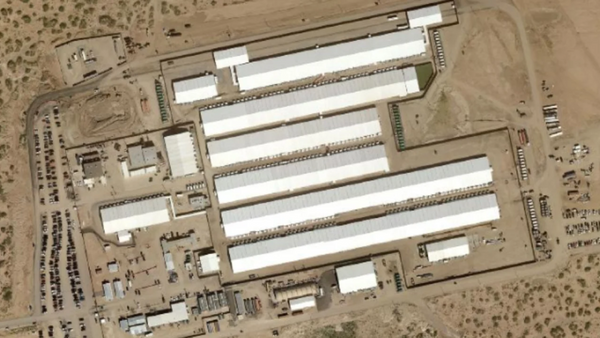
The darkening of the skies is expected to wipe out between 300 megawatts and 1,100MW of solar power, just as the fifth heatwave of the summer raises demand for electricity to run air conditioning, fans and refrigeration systems.
The National Energy System Operator (Neso) had first anticipated an overall shortfall of more than 1,700MW of electricity when compared with the grid’s peak evening demand, according to a warning on Tuesday night, or the equivalent capacity of a solar farm the size of 8,500 football pitches. Under a second market notice issued on Wednesday morning, it said the shortfall remained about 1,200MW.
A spokesperson described the warning notice as a “routine tool” that means it is asking the energy market to make any additional capacity the generators may have available. It added that the margin notice was a “precautionary measure to the market” because of the solar eclipse and there was “no risk to customer electricity supplies”.
These notices are relatively common in winter when energy demand is higher, but it is the first time that supply warnings have been issued in summer because of the frequent heatwaves, according to Jess Ralston, the head of energy at the Energy and Climate Intelligence Unit, a thinktank. The soaring temperatures across Europe are being made worse and more common by climate change, she added.
“The only way to bring our climate back into balance is to reach net zero emissions, including rolling out more renewables and upgrading the grid after decades of under investment,” Ralston said.
Europe’s electricity supply squeeze could become tighter as fresh weather forecasts indicate that above-normal heat may persist across Europe into September, according to forecasters at Amperon.
The analysts warned that already more than 11 gigawatts of European nuclear capacity was currently offline, or operating at reduced output, because of low water levels in rivers used to cool nuclear reactors.
“At the same time, low water levels are complicating coal deliveries, gas plants are approaching the September maintenance season after a demanding summer, and high temperatures are forcing some transmission lines to operate below full capacity,” the forecasters said.
To resolve Wednesday’s shortfall, Neso is expected to make lucrative payments to energy generators to help fill the gap, which will be covered through consumer energy bills.
The looming eclipse has caused electricity market prices to climb to highs last seen during the heatwave in late June, according to market analysts at LCP Delta, a consultancy and data provider.
The price of electricity for Wednesday evening rose to more than £211.40 per megawatt-hour at 7pm, its highest level since 30 June. If market prices remain elevated through the day, this could lead to higher prices offered to gas power plants to fill the shortfall in electricity supplies during the eclipse.
European gas prices have climbed towards their highest levels since the start of the Iran war because of the disruption to Middle East energy exports and rising demand for gas power to meet the demand for electricity to battle the heat.
Europe’s benchmark gas contract climbed above €62 per megawatt-hour on Tuesday, close to the €63 per MWh peak reached last month, which was also its highest price since early 2023.
The power supply squeeze has prompted Britain’s biggest household electricity supplier, Octopus Energy, to encourage customers to avoid running washing machines and dishwashers between 6pm and 8pm on Wednesday to help save electricity.
In return, the supplier is offering eligible customers a free hour of electricity to use on Sunday. If enough households delay using electricity for a short time during the eclipse, it could reduce the need for Great Britain’s electricity system operator to fire up extra gas-fired stations to replace the lost solar power, according to the supplier.