
Law enforcement may back off future investigations into alleged credit card issuer rewards manipulation after a federal government memo on such probes came under fire this week from the American Bankers Association.
The association, which represents the banking industry, sent a letter to the U.S. Consumer Financial Protection Bureau’s acting director, Russell Vought, characterizing the agency’s concern over rewards manipulation as “unfounded.”

“In the final year of former Director Rohit Chopra's tenure, the CFPB intensified its scrutiny of credit card rewards, including releasing the Rewards Circular and the Rewards Issue Spotlight,” the group wrote, referring to the previous leader who worked under the Biden administration before he was replaced by Vought in February.
“These publications raised unfounded concerns about the market for credit cards that offer rewards, including by stating that consumer complaints indicate ‘concerning patterns’ in market practices.”
The American Banking Association letter attempted to refute the Bureau’s claims about credit card rewards programs and explain the benefits of rewards programs for cardholders and card issuers.

The pushback
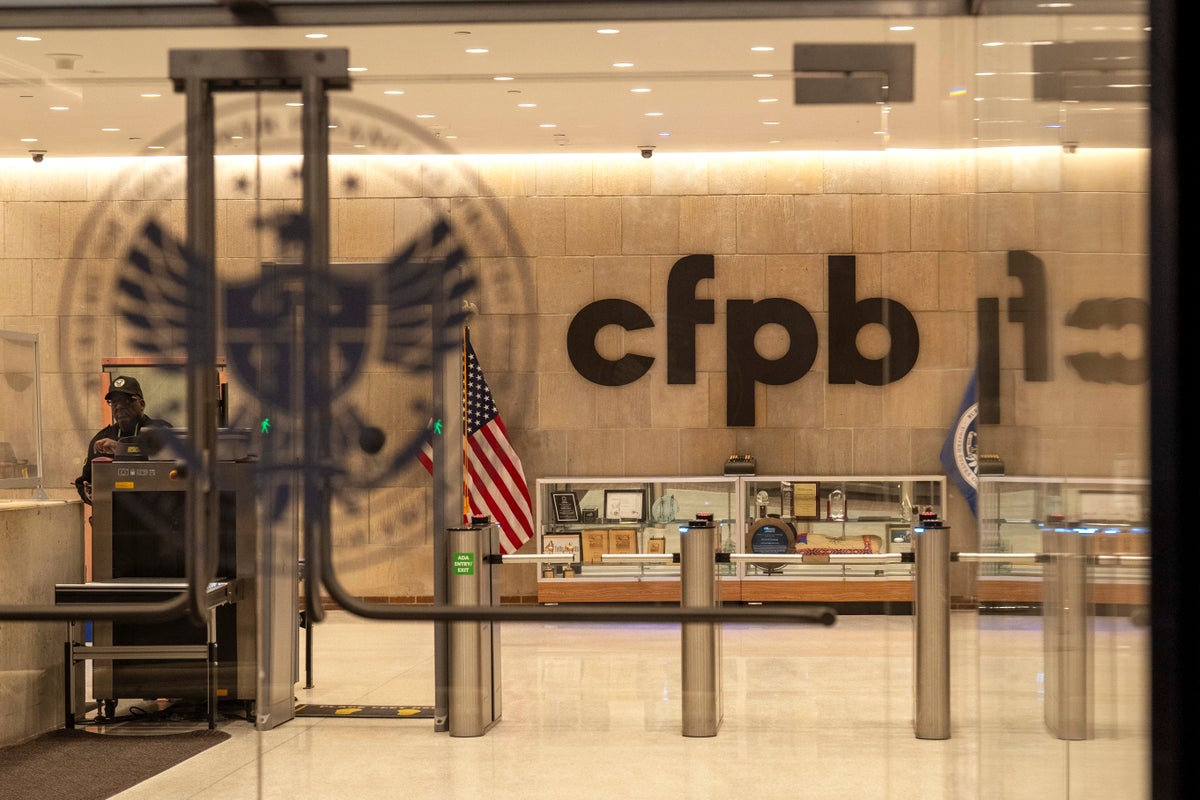
The Consumer Financial Protection Bureau, which protects consumers from wrongdoing by financial institutions, sent the memo in December 2024, which claimed that consumers were complaining that credit card issuers were manipulating the valuation and issuing of reward points.
Generally speaking, consumers with rewards credit cards can earn points or miles on each dollar they spend. The number of points they earn depends on where they use the card. Restaurants, for example, may earn customers more points than gas stations or grocery stores.
Card issuers typically allow cardholders to redeem their rewards points or miles for cash, merchandise, or travel. And, in some cases, cardholders can transfer the miles or points to a travel rewards program like World of Hyatt or Southwest Rapid Rewards.
Over time, rewards programs shift the number of miles or points it takes to, say, book a hotel room. One year, the hotel may require 12,000 points for a one-night stay, but the requirement goes up the following year to 15,000. Popular points and miles blogs often publish yearly articles that detail those points changes.

While common among rewards experts and not generally viewed as a bait-and-switch tactic, the government agency asserted that changes in redemption values were possibly illegal.
“When rewards operators influence consumers’ expectations about the value of rewards in their product or marketing efforts…but later make decisions to deflate the overall value of accrued rewards, they may have engaged in actions that resemble a traditional ‘bait-and-switch’ scheme,” the agency wrote. “These activities may constitute unfair or deceptive acts or practices under the [Consumer Fair Protection Act].”
The Bureau went on to rail against rewards program terms and conditions, alleging their language can be “vague” and put most of the power in the issuer’s hands.
“These sorts of dark patterns and fine print will often constitute deceptive representations, omissions, or practices about material concerns, and thus violate the prohibition on deceptive practices,” the Bureau wrote. “In addition, denying or preventing rewards based on buried or vague terms could cause a substantial monetary injury in the form of lost rewards value and may be unfair.”
Banking association downplays manipulation
In its letter about the government agency’s memos, the American Banking Association pushed back on the idea that rewards programs are a labyrinth of murky terms and confusing language.
“Contrary to the CFPB’s assertions, credit card rewards programs are widely accessible, valuable, and clearly understood by consumers across all income levels,” the group wrote.
It went on to point out that the consumer bureau’s own complaint records reflect that, as just 0.09 percent of complaints in their database were about credit card rewards.
Additionally, the banking association noted that credit card issuers address nearly all of the submitted complaints.
“According to CFPB data, 99.2% of complaints received a timely response, and more than one-third of those complaints were resolved by some form of monetary or non-monetary relief,” the letter said.
The banking group also argued for the importance of rewards credit cards, listing several benefits such as cardholders earning cashback, points they can convert to merchandise, and exclusive offers. It also noted that rewards help card issuers build customer loyalty.
“Consumers of all income levels benefit from rewards, and as the credit card market continues to innovate to drive consumer satisfaction, credit card rewards programs will also continue to deliver significant value to consumers, including convenience, flexibility, and savings,” the ABA wrote.
Half of insurance customers will drop coverage because of this one flaw
This bank offers the best mobile credit card experience, according to new study
Experts reveal why store credit cards are a tricky option for buying holiday gifts
Nearly 80 percent of shoppers want to do all their spending at small businesses
Powerball jackpot soars to $820M ahead of Saturday’s lotto drawing







