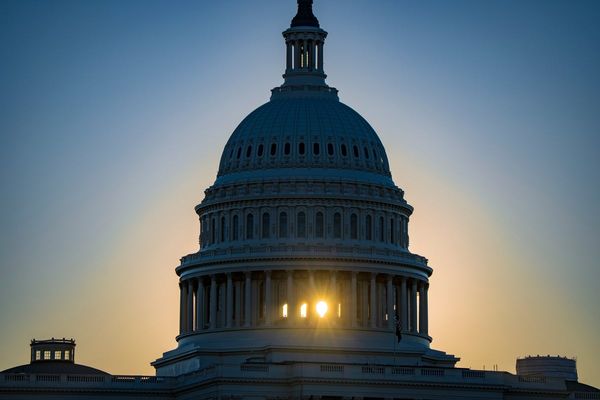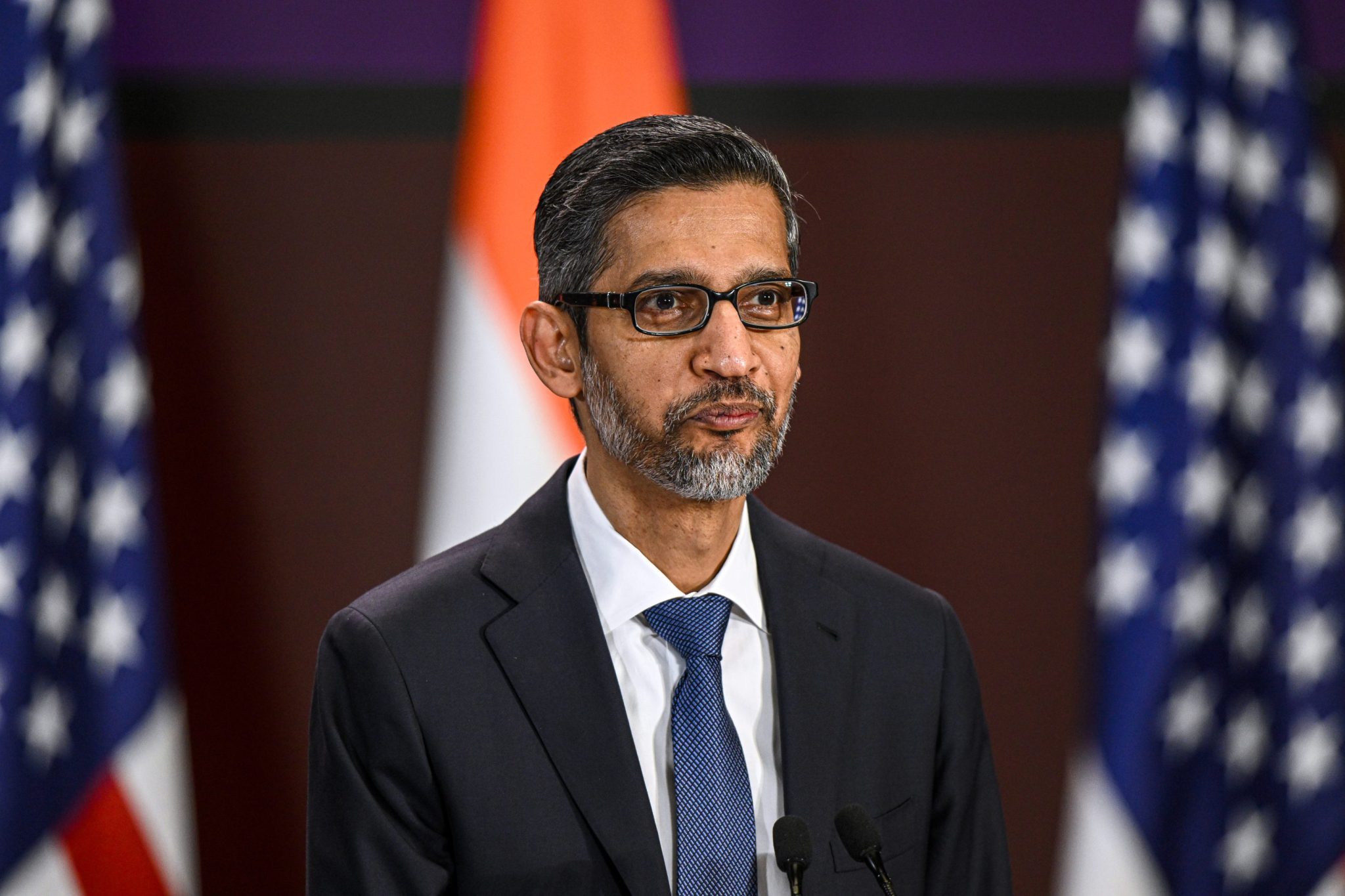
Google inks a major contract to help the Pentagon use AI. Hundreds of employees sign an open letter opposing the deal. The company’s leadership initially digs in its heels. Several employees resign in protest. As the employee revolt builds, Google’s management reverses course and opts not to renew the lucrative military relationship.
That was 2018. Back then, Google was the Pentagon’s partner on Project Maven, a Pentagon initiative that used AI to analyze drone surveillance footage as part of targeting workflows. And employee backlash not only forced the company to give up on Project Maven, it made Google wary of any projects to help the U.S. defense industry.
Flash forward eight years, and history seems, at first glance, to be repeating itself. Google has followed OpenAI and xAI in agreeing to allow its Gemini AI models to be used inside the U.S. military’s classified networks for “any lawful purpose.” When news of the likely deal leaked, close to 600 employees signed an open letter opposing it. But Google’s leadership has again dug in its heels.
This time, however, things may out quite differently than they did with Project Maven. Current and former Google employees tell Fortune the leverage that once allowed technology workers to influence significant sway over the company’s policies has eroded. Gone are the days when threats of resignations and a petition signed by thousands were enough to sway Mountain View’s position.
Rather than give in to employee pressure, Google seems to be doubling down on its controversial deal with the Pentagon, first reported by The Information last week, telling staff in a memo that it “proudly” works with the U.S. military and plans to continue to do so.
Unlike with Project Maven, Google can also fall back on the argument that it is hardly the only company to agree to allow its AI models to be used in classified U.S. military systems for “any lawful purpose”—and on the contention that failing to agree to such language could present significant legal and business risks to the company. OpenAI and xAI have both agreed to similar contract terms, as have Nvidia, Microsoft, and Amazon. Only the AI lab Anthropic has refused to agree to these terms, resulting in the Pentagon ordering the military and all defense contractors to stop using Anthropic’s products within the next six months and labeling it a “supply chain risk.” Anthropic has been challenging that designation in court.