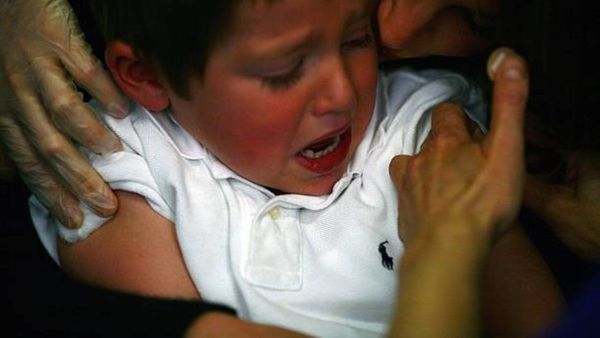

Modeled global cases of the birth defect syndrome caused by rubella have fallen by roughly 73 percent since 2012, from an estimated 101,381 a year to 26,859, according to a CDC analysis published in the Morbidity and Mortality Weekly Report. The remaining burden is not spread evenly. In 2024, the African Region accounted for 89 percent of estimated cases worldwide.
That concentration is what makes the finding useful rather than merely encouraging. Rubella is usually a mild febrile rash illness, and a quarter to half of infections are asymptomatic. Its danger is specific: infection during early pregnancy can cause miscarriage, fetal death, stillbirth, or a cluster of birth defects that includes deafness, cataracts, heart defects, and developmental delay.