Global index provider MSCI has retained South Korea in its emerging-market category, saying the country continues to face long-standing market accessibility challenges, particularly in its onshore foreign exchange market, according to Reuters.
MSCI said the Korean won remains non-deliverable offshore and that liquidity during extended onshore foreign exchange trading hours is still inadequate to meet the execution standards expected in developed markets. The index provider acknowledged the reforms introduced by South Korean authorities but said investors would require more time to assess whether the changes deliver sustained improvements.

South Korea's finance ministry and financial regulator said the country's exclusion from the developed-market watchlist this year reflected the fact that some reforms are still being implemented and their impact has yet to be fully evaluated, Reuters reported. The authorities added that continued progress on foreign exchange and capital market reforms should eventually pave the way for inclusion in MSCI's developed-market index.
The administration of President Lee Jae Myung has rolled out a series of market reforms since taking office in June 2025, including plans to introduce round-the-clock foreign exchange trading from the second half of this year. Securing developed-market status has been one of the government's key policy objectives.
MSCI removed South Korea from its developed-market watchlist in 2014, citing restrictions on foreign exchange transactions and other market accessibility concerns.
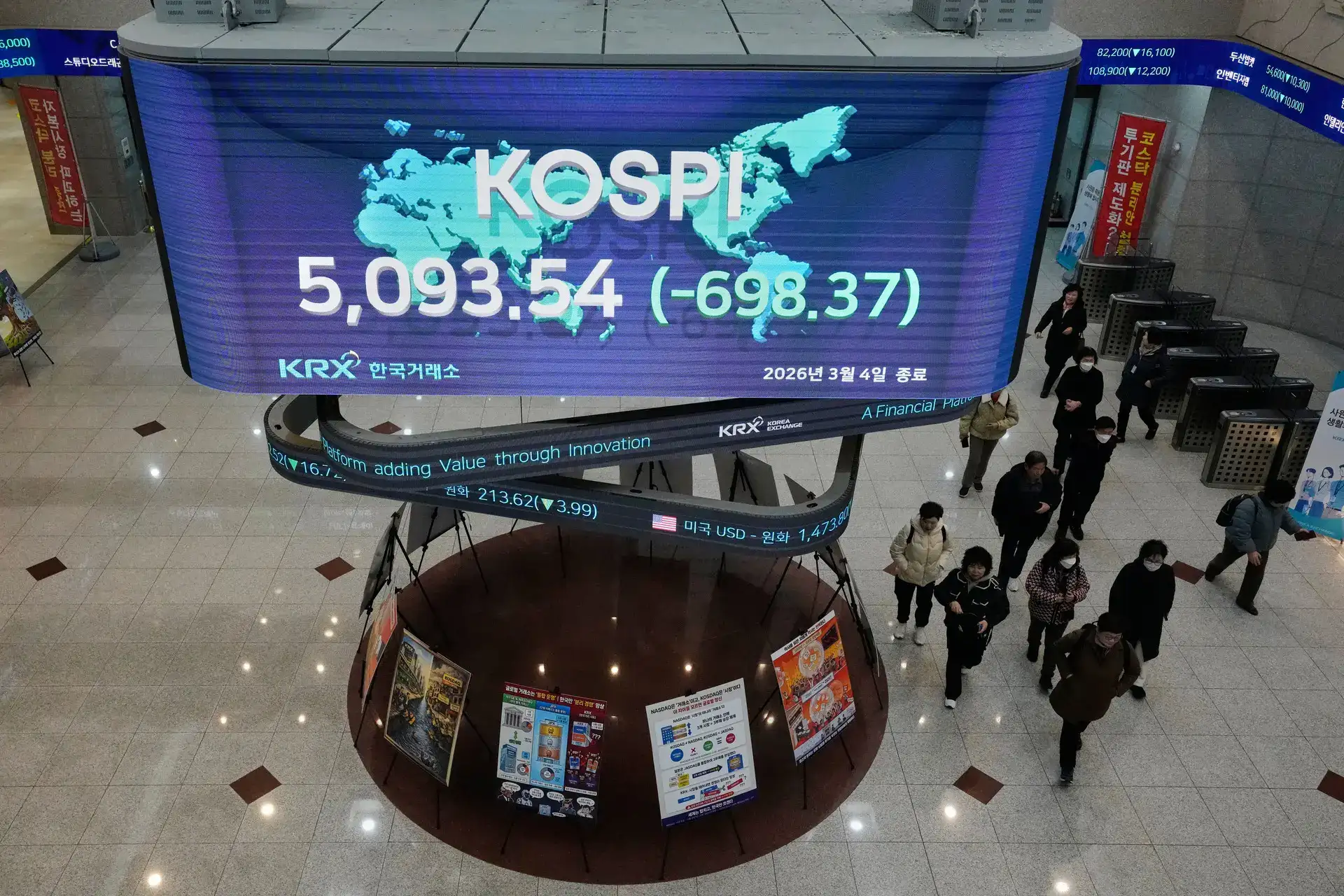
Despite the classification setback, South Korea's benchmark KOSPI index has emerged as the world's best-performing equity benchmark over the past year, doubling in value on the back of strong gains in semiconductor stocks driven by global investment in artificial intelligence infrastructure.
According to Reuters, analysts said MSCI's decision was largely anticipated after the country's weak performance across several accessibility criteria in last week's annual review. The KOSPI rebounded more than 3% on Wednesday after tumbling nearly 10% in the previous session, marking its steepest one-day decline since March.