Get all your news in one place.
100’s of premium titles.
One app.
Start reading
Tom’s Guide
Tom’s Guide
Technology
Aleksandar Stevanović

Getting a VPN this Black Friday? Make sure it has these 3 features

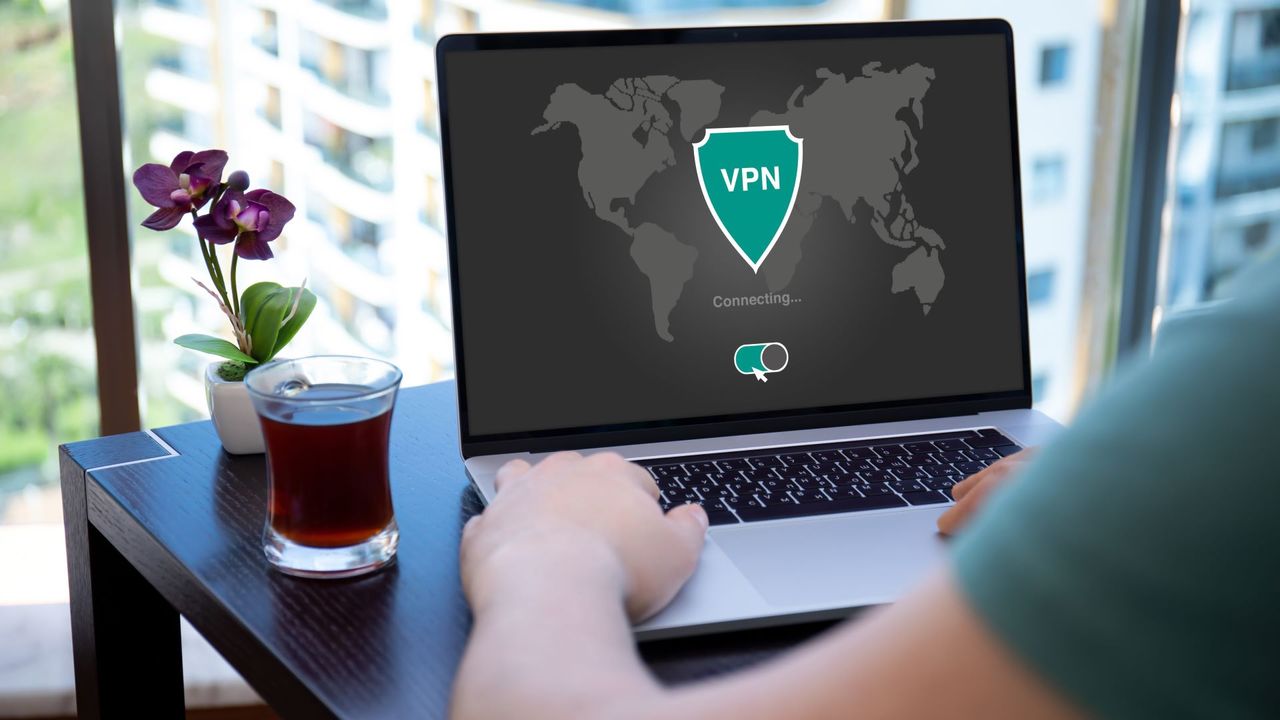
A man sat at a computer with a VPN displayed on the screen.

These days, the best VPNs don't just offer a secure connection: they're bundled with a growing list of cybersecurity features. From advanced encryption to ad blockers and password managers, it can feel like you're buying a security suite instead of a simple privacy tool.

But if your main goal is to stay safe online and keep your data private, which features actually matter? And which ones are more about marketing than real-world benefits?

In this guide, we'll break down the essential VPN features to look out for, and help you decide what's worth paying for. Plus, thanks to the Black Friday VPN deals currently running, you'll be paying a lot less than you would at any other time of year.

1. Good encryption

Encryption is the backbone of every VPN. It scrambles your data so that no one (not your internet provider, not hackers, not even the VPN provider) can read what you're doing online.

The most secure VPNs use AES-256 encryption, a gold standard adopted by governments and cybersecurity experts alike. It's nearly impossible to crack with today's technology. Another popular choice is ChaCha20, which offers similar protection but is often faster on mobile devices or older hardware. Some VPNs let you choose between the two, giving you flexibility depending on your priorities.

If speed is what you're after, say for streaming or gaming, look for VPNs that use the WireGuard protocol or custom versions like NordVPN's NordLynx or ExpressVPN's Lightway. These are designed to provide strong encryption with minimal slowdown.

More cutting-edge VPNs are also beginning to roll out post-quantum encryption (PQE). This technology is designed to protect your data from future quantum computing threats. It's still early days, but if you want future-proof security, PQE support is worth considering.

No matter how you plan to use a VPN, solid encryption is non-negotiable: it's what keeps your information safe from prying eyes.

2. An audited no-logs policy

One of the main reasons to use a VPN is to keep your online activity private. But if your VPN provider is logging your data in the background, you've just shifted the trust issue, not solved it.

A no-logs policy means the VPN provider has been independently audited to prove that it doesn't store any identifying information about what you do online: no browsing history, no connection times, no IP addresses.

This ensures that even if someone requested your data (whether it's hackers or law enforcement) there will be nothing to hand over. Some VPNs, like Private Internet Access, go one step further and post transparency reports to prove just how many times user data has been requested, and how many times nothing has been handed over.

However, not all no-logs claims are equal. Some VPNs only promise to avoid logging usage data, but still track connection timestamps or bandwidth for internal diagnostics. Others go a step further and call themselves zero-logs VPNs, meaning they claim to store nothing at all. But zero-logs is harder to prove, and much less common.

That's why third-party audits are so important. These are independent reviews conducted by cybersecurity firms that confirm the VPN is living up to its privacy promises. Top providers like NordVPN, Proton VPN, and ExpressVPN have all passed multiple no-logs audits (some more than 20 times over).

The takeaway: if privacy matters to you, choose a VPN that not only claims to keep no logs, but has verified it through independent audits.

3. A functioning kill switch

Even the most secure VPNs can drop connection occasionally: and when that happens, your real IP address can be exposed. That's where a kill switch steps in.

A kill switch automatically cuts off your internet connection if your VPN disconnects unexpectedly. This stops your data from leaking and ensures your identity stays protected, especially on risky public Wi-Fi networks or in regions with strict online surveillance.

There are two types of kill switches:

  • System-level kill switches that block all internet access until the VPN reconnects. This offers full-device protection.
  • App-level kill switches that let you choose which specific apps (like BitTorrent or your browser) should be cut off if the VPN drops.

Most major VPNs, including NordVPN, ExpressVPN, Surfshark, and Proton VPN, offer kill switches across all major platforms. In hands-on testing, these features have proven reliable and quick to react when connections fail.

If you use a VPN to protect sensitive activity, bypass censorship, or stay anonymous online, a kill switch is not optional: it's essential.

Other helpful features

Beyond encryption, audits, and kill switches, today's best VPNs come with a wide range of bonus features.

These aren't strictly essential, but they can make your VPN more useful and enjoyable to use.

  • Compatible with many different platforms. Look for a VPN that works on Windows, macOS, iOS, Android, and even Linux. Extra points if it supports routers, smart TVs, and browser extensions too. The more platforms it supports, the more protected you'll be across all your devices.
  • Wide server network. A large and diverse server network gives you more options to find a fast, stable connection and unlock region-specific content. It's also a key factor in getting better streaming speeds and avoiding overcrowded servers.
  • Easy to use. A cluttered or confusing app can ruin the experience. The best VPNs offer clean, beginner-friendly interfaces with simple settings and one-click connections, which is perfect if you're not tech-savvy.
  • Good speeds. VPNs can slow your connection, but some are much better optimized than others. Protocols like WireGuard (or its variants like NordLynx and Lightway) offer excellent speeds for streaming, gaming, and browsing without lag.
  • Ability to unblock streaming services. Not all VPNs can access Netflix, BBC iPlayer, or Disney Plus. If streaming is important to you, look for providers with a strong track record of bypassing geo blocks.

These features don't replace core protections like encryption and no-logs policies, but they can make the difference between a basic VPN and a great one.

You can learn about all of these features and more in our ultimate guide to VPNs.

We test and review VPN services in the context of legal recreational uses. For example:1. Accessing a service from another country (subject to the terms and conditions of that service).2. Protecting your online security and strengthening your online privacy when abroad.We do not support or condone the illegal or malicious use of VPN services. Consuming pirated content that is paid-for is neither endorsed nor approved by Future Publishing.

Sign up to read this article
Read news from 100’s of titles, curated specifically for you.
Already a member? Sign in here
Related Stories
Top stories on inkl right now
One subscription that gives you access to news from hundreds of sites
Already a member? Sign in here
Our Picks
Fourteen days free
Download the app
One app. One membership.
100+ trusted global sources.