Get all your news in one place.
100's of premium titles.
One app.
Start reading
Homes & Gardens
Homes & Gardens
Martha Davies

Gardening Experts Say That Caterpillars Are Actually Good For Your Garden – Here's Why

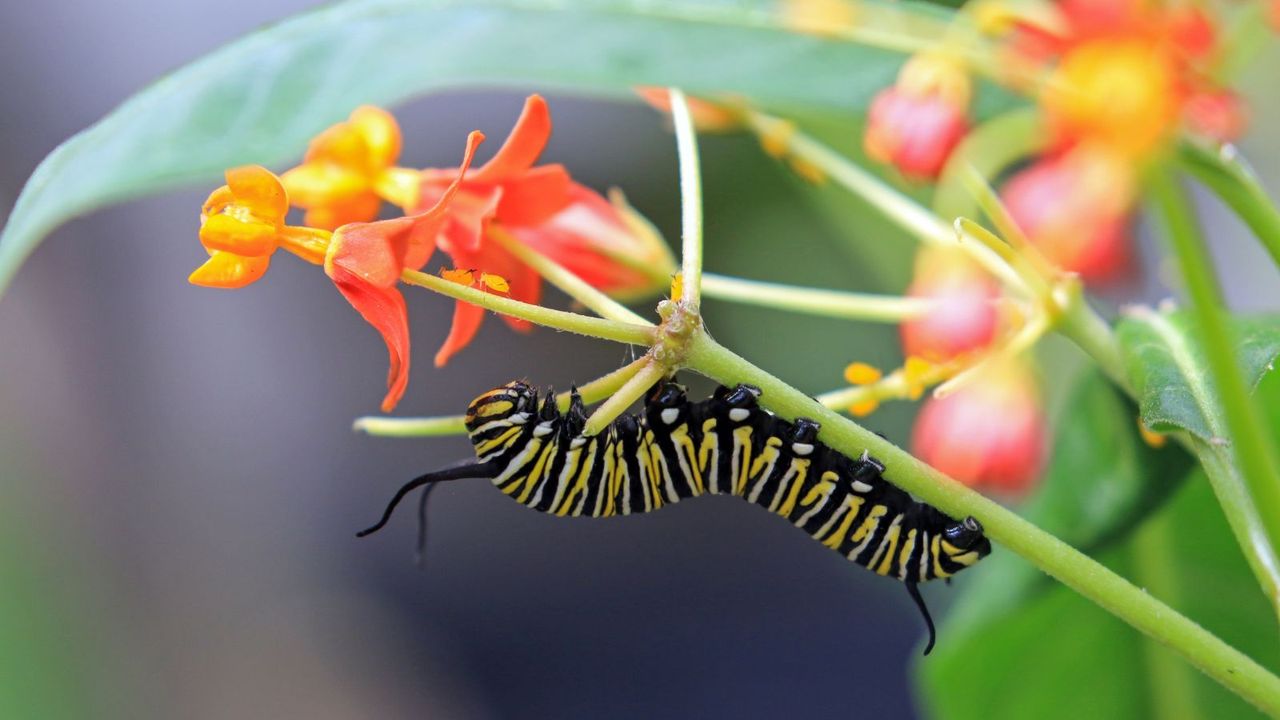
Black and yellow caterpillar on milkweed flower.

Any gardener will know the frustration that comes with watching your prized greens get gnawed by caterpillars. After so much time spent nurturing your crops, it can feel as if these bugs are the biggest enemy you'll face in spring – but experts say that this is a misconception.

We might be taught to see caterpillars as nothing more than a nuisance, but they are, in fact, vital for the biodiversity of your garden. They're one of the most important food sources for birds, and if they eventually transform into butterflies, they become pollinators that will help your plants to flourish.

So, if you're determined to keep caterpillars out of your vegetable garden (or any outdoor space) this season, you might want to take a step back before you start wielding pesticides. Below, experts explain why these common critters can be so beneficial.

(Image credit: Andrew Waugh/Alamy Stock Photo)

Why Are Caterpillars Good For Your Garden?

If you're ever attempted to grow brassica plants like cabbage or Brussels sprouts, you'll be familiar with the damage that caterpillars can cause. They'll quickly multiply as they shred through leaves in your garden, and they can end up costing you precious crops.

While it's easy to dismiss caterpillars as tiresome spring garden pests, experts are urging gardeners to shift their view. Caterpillars are actually a foundational part of any garden's ecosystem and they can be far more beneficial than you might think.

They Support Healthy Ecosystems

(Image credit: Alamy)

'Caterpillars get treated as the enemy the moment gardeners spot leaf damage, but this means that we can miss what they actually contribute to a healthy garden ecosystem,' explains Kyle Turner, Pest Control Specialist and President & CEO at Pro Active Pest Control.

'The goal is a garden where some leaf damage is acceptable, because it signals a functioning ecosystem rather than a sterile one.'

They Provide a Crucial Food Source

(Image credit: Dave McIntosh / iStock / Getty Images Plus / Getty Images)

Every thriving ecosystem requires a reliable food source for animals and insects, and this is why caterpillars are so critical.

'Caterpillars are one of the primary protein sources for birds, particularly during nesting season when parent birds are feeding chicks,' says Kyle.

'A garden that supports caterpillar populations supports bird populations – and birds in turn provide natural pest control that reduces the need for intervention on other fronts.'

So, without caterpillars, birds might not be so quick to visit your garden – and without birds, biodiversity will suffer. Plus, you're likely to find even more insects attempting to eat their way through your plants.

Naturally, species like the box tree moth – which is known to destroy box hedging – can feel less like a 'necessary evil' and more like a common pest with no real benefit to your yard.

If you're particularly worried, you can invest in insect netting (from Amazon) and create a protective barrier using garden hoops (like these from Amazon) and landscape staples (available at Walmart).

Despite the risks, however, most caterpillars really do serve a significant function within wider ecosystems, providing a vital food source that's often overlooked.

They Can Aid Soil Health

(Image credit: AndreaObzerova / iStock / Getty Images Plus / Getty Images)

Another lesser-known benefit of caterpillars actually comes down to their droppings (also known as 'frass').

While frass is, admittedly, only present in small amounts, it can help to fertilize soil and support plant growth.

'Caterpillars contribute to soil health through their frass,' confirms Kyle. 'It's a nitrogen-rich organic material that breaks down and feeds the soil.'

They Can Eventually Become Pollinators

(Image credit: GettyImages)

It's understandable to want to prevent pesky caterpillars from chewing on your crops, but if you leave them be, they could help you to create a glorious pollinator garden.

'Caterpillars that survive become pollinators: butterflies and moths that support flowering plants throughout the season,' says Kyle.

Of course, the goal is to ensure that your yard is a pollinator haven – but not a caterpillar hotspot. The answer? Strategic planting, says Kyle.

'The practical approach is not to eliminate caterpillars broadly but to manage selectively,' he explains.

'Sacrificial planting is one of the most effective strategies: dedicating certain plants specifically to caterpillar feeding. This keeps the damage contained and away from your priority plants.'

What to Shop


Looking to grow more brassica plants (and keep them healthy) this spring? We've compiled a list of our favorite kitchen garden ideas to give you some inspiration.

And if you love inspiring garden ideas, outdoor advice, and the latest news, why not sign up for our newsletter and get the latest features delivered straight to your inbox?

Sign up to read this article
Read news from 100's of titles, curated specifically for you.
Already a member? Sign in here
Related Stories
Top stories on inkl right now
One subscription that gives you access to news from hundreds of sites
Already a member? Sign in here
Our Picks
Fourteen days free
Download the app
One app. One membership.
100+ trusted global sources.