Get all your news in one place.
100's of premium titles.
One app.
Start reading
Woman & Home
Woman & Home
Lifestyle
Emily Smith

Garden expert reveals the watering tools you can use during a hosepipe ban to keep plants hydrated in the heat

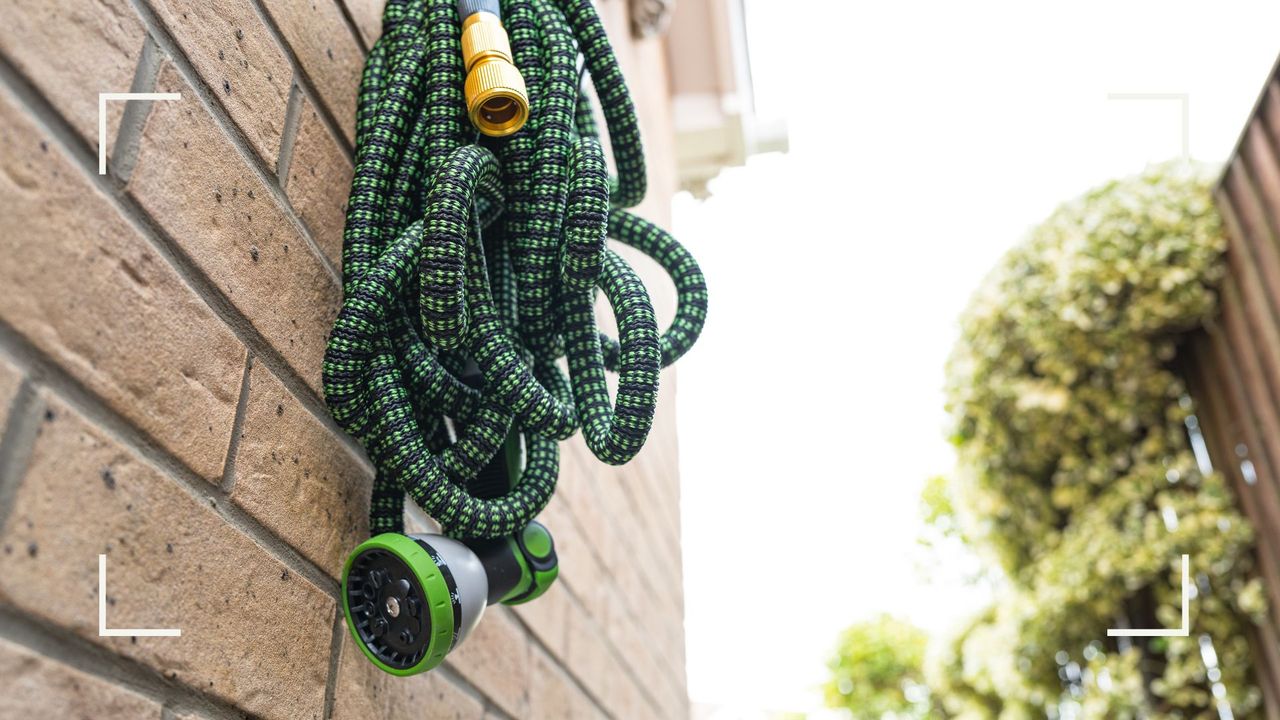
Picture of hosepipe hanging on side of home.

The consistent heatwaves and hot, dry weather this summer have certainly taken a toll on our gardens. And now, with hosepipe bans introduced in most areas, finding ways to keep plants hydrated is more difficult than ever.

Watering your garden during a hosepipe ban is an extreme challenge and can often mean you have to accept that you'll be helping your plants recover from sunburn once the dry weather subsides. However, if you didn't get a chance to prepare your garden for the heatwaves and don't want to let your plants perish, this guidance is just what you need.

Hosepipe bans are confusing, and with so many ways to water your garden plants properly, it can be a mystery knowing what you can and can't use. Luckily, garden design expert Ish (@gardening.with.ish on Instagram) has cleared up this confusion and shared what watering tools you're safe to use.

A post shared by Ish Kamran (@gardening.with.ish)

A photo posted by on

If you're trying to help your garden recover from the heatwave or simply need to find a way to water your plants during a hosepipe ban, don't worry, you're not alone.

"There's a lot of confusion going around when it comes to hosepipe bans as to what you can and can't do. So I thought I'd go through them to make it a little bit easier, because there are some things you can use that might surprise you," starts Ish.

"Obviously, a hose pipe you can't use; you can take a watering can, fill it up from an outdoor tap and water directly into the ground. Now, most people are saying, well, why can't I just put a hose in there and pour it out like that? And to be honest, very clever, very smart, but unfortunately we're still using a hose," he adds.

"That being said, there are a few hoses you can use, which are these little micro drips or the small little irrigations because they're reduced-pressure hoses and they do about two to three litres an hour, which is massively preserving water when you think how much you're using in your hose," Ish continues.

Irrigation systems like these are also ideal if you want to keep your garden healthy whilst you're on holiday during the summer months.

(Image credit: Getty Images)

To ensure you're not breaking any potential garden laws, it's important to know the difference between irrigation systems and what's required when having them in your garden.

"Now, they prefer to use things like a micro drip system again or something like that, which is perfect for it, and they say if you're going to do it, the rule is it's gotta be a permanent fixture. You can't just pop that temporarily and be done with it, but you can pop it on a timer; that's fine," he points out.

"Whilst four millimetre hoses are allowed, the 13 millimetre soaker hoses that you find aren't allowed. It'sa bit confusing but effectively down to water preservation," Ish says.

Should you really be struggling to keep up with the water limitations, rainscaping your garden is a long-term yet effective solution.

"And last but not least, of course, rain collection systems are ideal too. They're great for storing water, of course; you can use them. They're not for the water company; they're for you," he finishes.

Rainwater harvesting can feel a little costly at the time, with water butts and guttering installments, but it'll save you money and stress in the long term.

Strata Water Butt With Connection Kit, Tap and Stand - 100l Hozelock Drip Irrigation Kit DIVCHI Watering Can 6.5L
Sign up to read this article
Read news from 100's of titles, curated specifically for you.
Already a member? Sign in here
Related Stories
Top stories on inkl right now
One subscription that gives you access to news from hundreds of sites
Already a member? Sign in here
Our Picks
Fourteen days free
Download the app
One app. One membership.
100+ trusted global sources.