
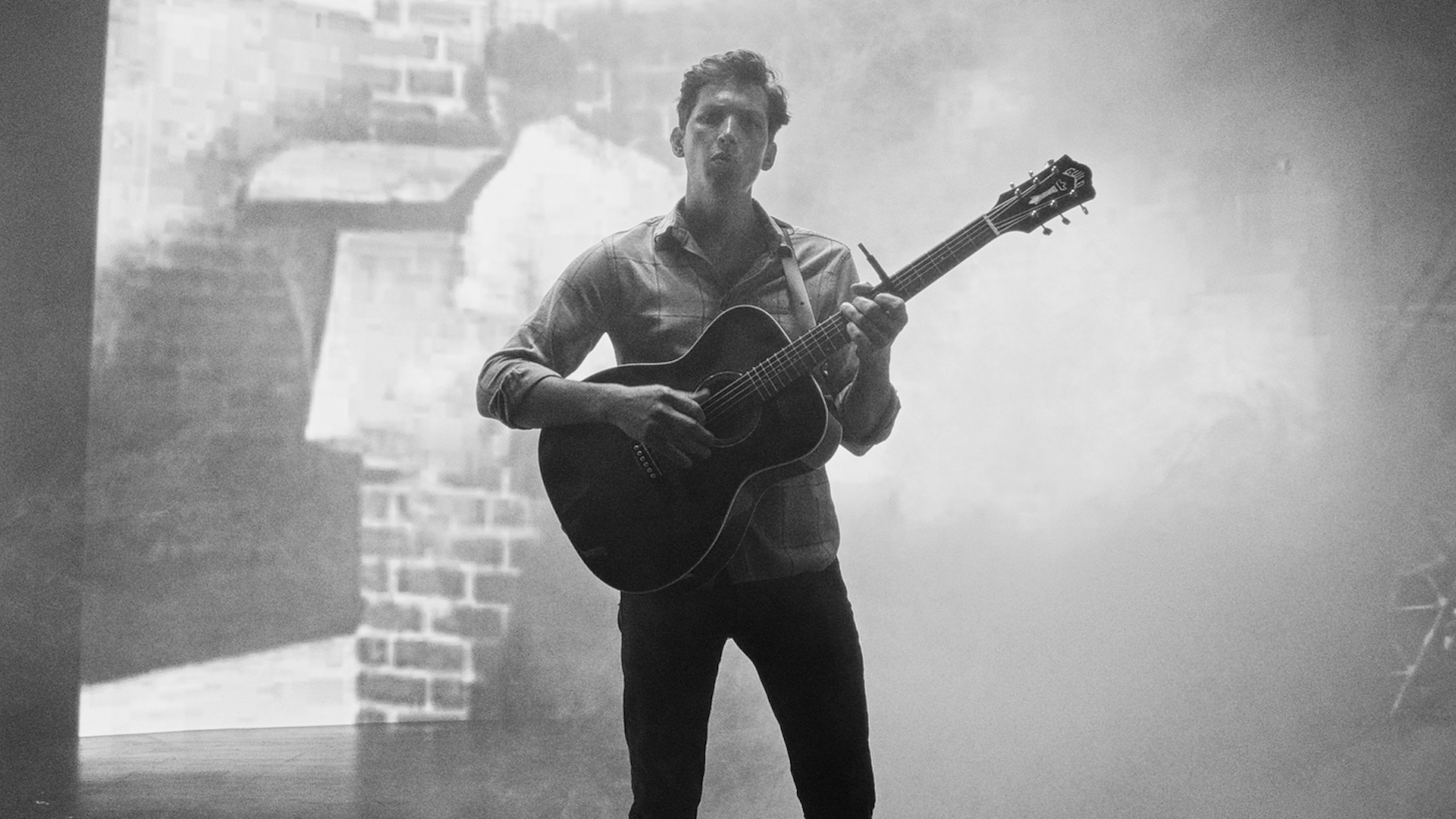
When people ask me what part of a project I worked on and I respond with “I did the colour”, they usually think it’s cool, but are left confused as to what that means. If I show them the before-and-after of a colour grading project, they can get a better sense of what I do. Colour grading is like an “invisible” art form and a job I didn’t even know existed until after film school, when I learned how this craft refines the emotional and visual tones of a film project. By manipulating contrasts, saturation, and colour palettes, the colourist can help visually transmit the intended mood and emotion, enhancing the viewer’s experience.
Audiences sometimes assume the colour of something was shot right out of the camera, when in reality it may have taken a colourist days or weeks to achieve a visual look. With colour, there’s a bit of a misconception that it's last-minute movie magic when in reality colour grading is the final 20% of getting a movie or content piece to its final product. The foundation of colouring lies in making adjustments to the choices made during production: the design, the lighting—whether natural or artificial—the camera used, and much more. All of these elements provide a colourist with something dynamic to work with - a not-so-blank slate to use as a starting point. (For a general introduction to the technique, take a look at our guide to colour grading.)