An Interview with Volodymyr Tolstov
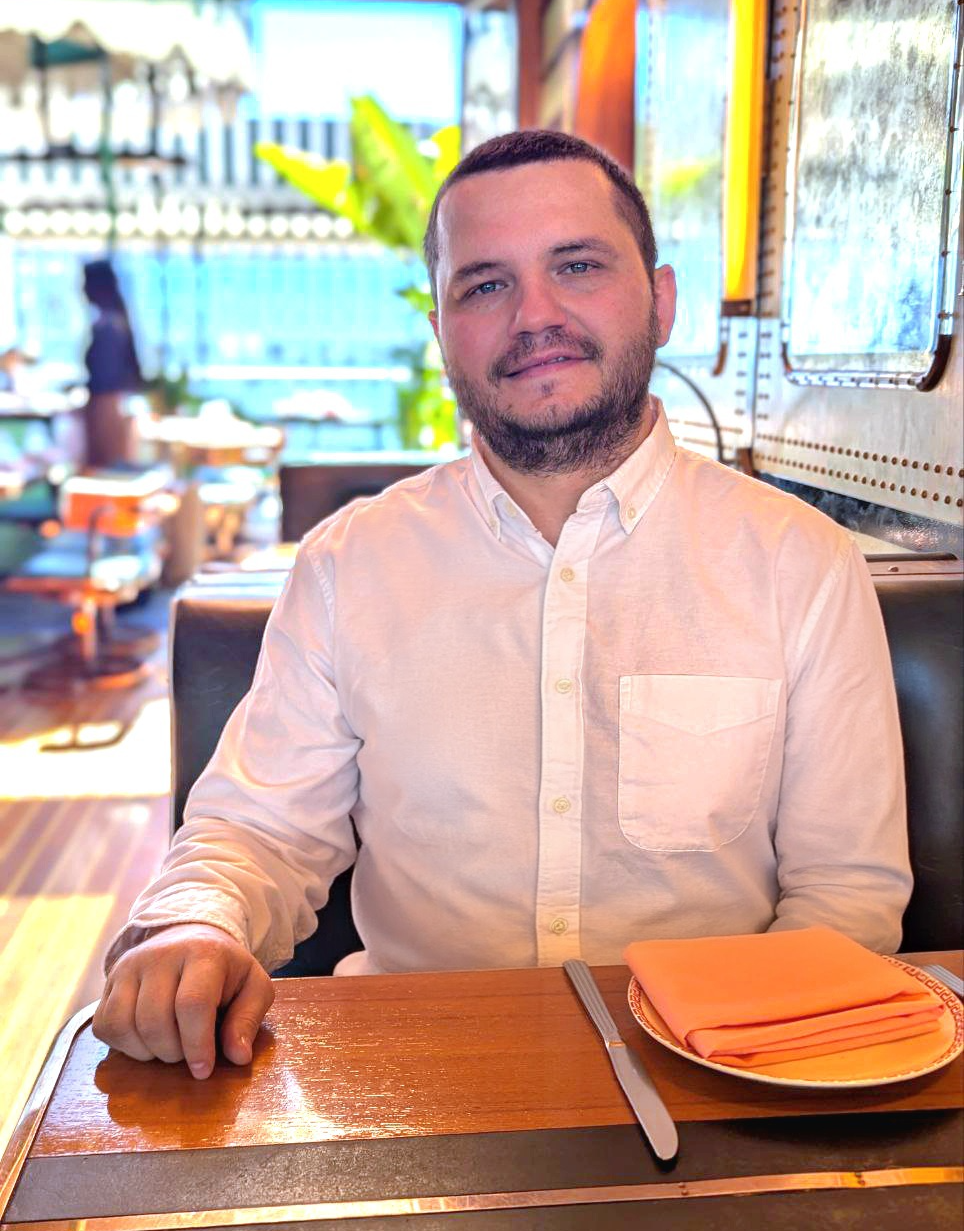
Volodymyr Tolstov is a well-known figure in the restaurant industry — a professional who has climbed every rung of the business ladder and now shares his valuable experience.
About the Person
Vladimir Tolstov is a recognized expert in the hospitality and restaurant business. He is the creator of numerous successful ventures, including the Czech restaurant and brewery Bogemsky, the Italian restaurant and pizzeria Maestro, the patisserie Par Le Cinema, the sushi bar Sushi Boom, banquet hall Semafor, café and bakery chain Pekarsky Dvor, pan-Asian restaurant chain Aiva, Cheburechnaya No.1, Cafeteria No.1, the pub Magarych, as well as Zatoka Hotel & Water Park and Odessa Water Park.
He won First Prize in the "Best Entrepreneur in the Restaurant Business" category at the 2020 Best Business Awards, an international competition recognizing top entrepreneurs and specialists. He also served on the jury for the 2021 Successful Ladies Awards and Best Business Awards.
Volodymyr, tell us how it all started. You didn't begin your journey as a manager, did you?
That’s absolutely right. I started in 2007 as a secretary — an assistant to the director of the Fontan Sky shopping mall. I had just graduated from Odessa National University with a Master’s degree in International Relations and spoke both English and Arabic. But restaurants? That happened purely by chance.
I was 21, needed to pay rent and start earning rather than spending. I didn’t care much what or where I worked, as long as I could pay my bills. I opened job adds, found a familiar brand at a major local mall, and successfully landed a secretarial position. Was I satisfied with that job at the time? Yes — it allowed me to look around, understand my options, and meet basic financial needs.
But I quickly got bored. That’s when the director offered me a chance to help launch a new restaurant project.
Just like that? What was your reaction?
It pulled me in immediately. I started by coordinating projects and eventually got involved in launching venues. Four months later, I was offered the role of F&B Project Manager. I told myself: if I’m going to do this, I need to understand every part of the machine.
So I studied everything — how beer is brewed, how menus are created, how procurement works, what sanitary regulations mean, even how to distinguish Scotch from Bourbon. I worked as a chef, waiter, bartender, floor manager. I did it all — except maybe dishwashing! It was a conscious decision to go through every stage and learn the business inside out. No regrets at all.
You’ve launched several restaurants from scratch. What’s the hardest part of opening a restaurant?
Creating not just a place that serves food — but a real atmosphere. It’s all about the people. I worked closely with designers, chefs, waitstaff. I always say: walls don’t sell — the soul of the place does. When your eyes light up, your guests feel it too.
I remember launching Bogemsky, a Czech-style restaurant. We hunted down old recipes, studied beer traditions, rehearsed food presentations. I lived on the construction site, ate with the workers, stayed up all night. It was exhausting — but incredibly rewarding.
Then came Maestro, the Italian concept — again, the same road but with new challenges.
Later, when I took over Pekarsky Dvor as a crisis manager. One of the three existing cafés had already closed, another was losing money, and only one was barely breaking even. Staff turnover was high, the menu was unappealing, margins were low.
I overhauled everything — especially the menu. Everything had previously been made from frozen ingredients, which affected taste. I introduced the concept of fresh, homemade baked goods, launched a production facility, and within a short time raised the average markup from 70% to 200%. We reopened two cafés, expanded the team from 8 to 30, and turned things around quickly.
At what point did you feel you had become not just a doer, but a true manager?
Probably when our team at Maestro R trained and placed over 300 professionals in the industry. Many became head chefs, managers, even launched their own restaurants. That was a defining moment — realizing both the responsibility and the impact.
What’s interesting is that becoming a restaurant professional doesn’t happen through theory alone. It’s about forming the right attitude toward the guest, learning to respond quickly, and — I like to say — managing chaos. But beyond that, I looked for people who were flexible thinkers, creative, and strong communicators.
Even now, I stay close to operations. I’ll jump into a shift, talk to guests, help in the kitchen. To me, being a manager is not about crunching numbers — it’s about staying connected to your team.
You’ve worked in everything from bakeries and fast food to water parks and hotels. Where did you feel most in your element?
Probably Magarych — that was my own passion project. And I don’t mean just managing it — I mean the philosophy behind it. We focused on local ingredients, seasonal menus, farmers' markets. We had live music nights, poetry readings. We weren’t just a pub — we were a cultural hub.
The restaurant was located right next to Privoz, Odessa’s iconic farmers’ market. That shaped our concept: fresh fish from local fishermen, artisanal sausages, craft beer. We recreated the feel of a place from a hundred years ago — a space where people came not just to eat, but to connect. A place they wanted to come back to.
Tell us about the most unusual or challenging experience — one where you had to learn something entirely new.
That would be organizing food services for Odessa Water Park and Zatoka Hotel & Water Park. There were many challenges. First — the business was extremely seasonal. Everything stopped on September 1st. Second — staffing. It’s hard to find professionals willing to work for just three months. We had to build a team from scratch, focus on creating a stable core rather than hiring seasonally.
And third — managing peak-hour traffic. We had to serve over 1,500 guests at once. I had to design the process from the ground up. By the next season, we were ready to serve up to 3,500 people daily.
How did you achieve such growth in such a short time?
Let me give a specific example. One of our key fast-food items was pizza — 350–400 units per day. Initially, everything was done manually: 10 yeam members per location, each doing everything from rolling dough to serving. It was slow and inefficient. Plus, our ovens were overheating the kitchen.
So I moved the pizza ovens outdoors and set up a production line. Two people rolled dough, two added sauce and toppings, two handled the ovens, one sliced and served. Seven people instead of ten — and everything ran like clockwork.
We reduced pizza prep time from 15 minutes to 6 — with just 4 minutes in the oven. That same year, we hit ₴8.5 million in net profit, with a target of ₴4 million. Double the plan.
It’s a great example of what happens when you get the process right. If your system is efficient, even seasonality won’t hold you back.
We’re now expanding the hotel in Zatoka and preparing to launch two new restaurants there. That’s how you build a success story — solving problems one by one.
.jpg)
What advice would you give someone looking to grow in the restaurant industry?
Start by understanding the process. Don’t rush into management — work in the kitchen, on the floor, in procurement. That experience is invaluable.
Keep learning — invest in training, study case studies, follow best practices.
And most importantly — build a team. Don’t just hire — build a culture. Professionalism isn’t just about knowing how things work. It’s about leading others.
You've launched dozens of venues, hired hundreds of people, made thousands of decisions. What keeps you going?
People and growth. I can’t stand still. I want my team to grow, I want the business to evolve. I’m not about the spotlight. I’m about authenticity — honest food, real connections, and making sure every guest leaves a little happier than they came.
And finally, what would you say to your 20-year-old self, just starting out in that first job?
Always be honest — with yourself and with others. It won’t always be easy, but if you lead with an open heart, people will listen, believe in you, and follow. Don’t be afraid to be the first one in and the last one out. That’s when you become who you’re meant to be — by learning from the past and moving forward with purpose. Keep going. That’s what truly matters.