Get all your news in one place.
100's of premium titles.
One app.
Start reading
Fortune
Fortune
Melissa Hancock

From rift to rapprochement: Saudi-UAE reset over Yemen

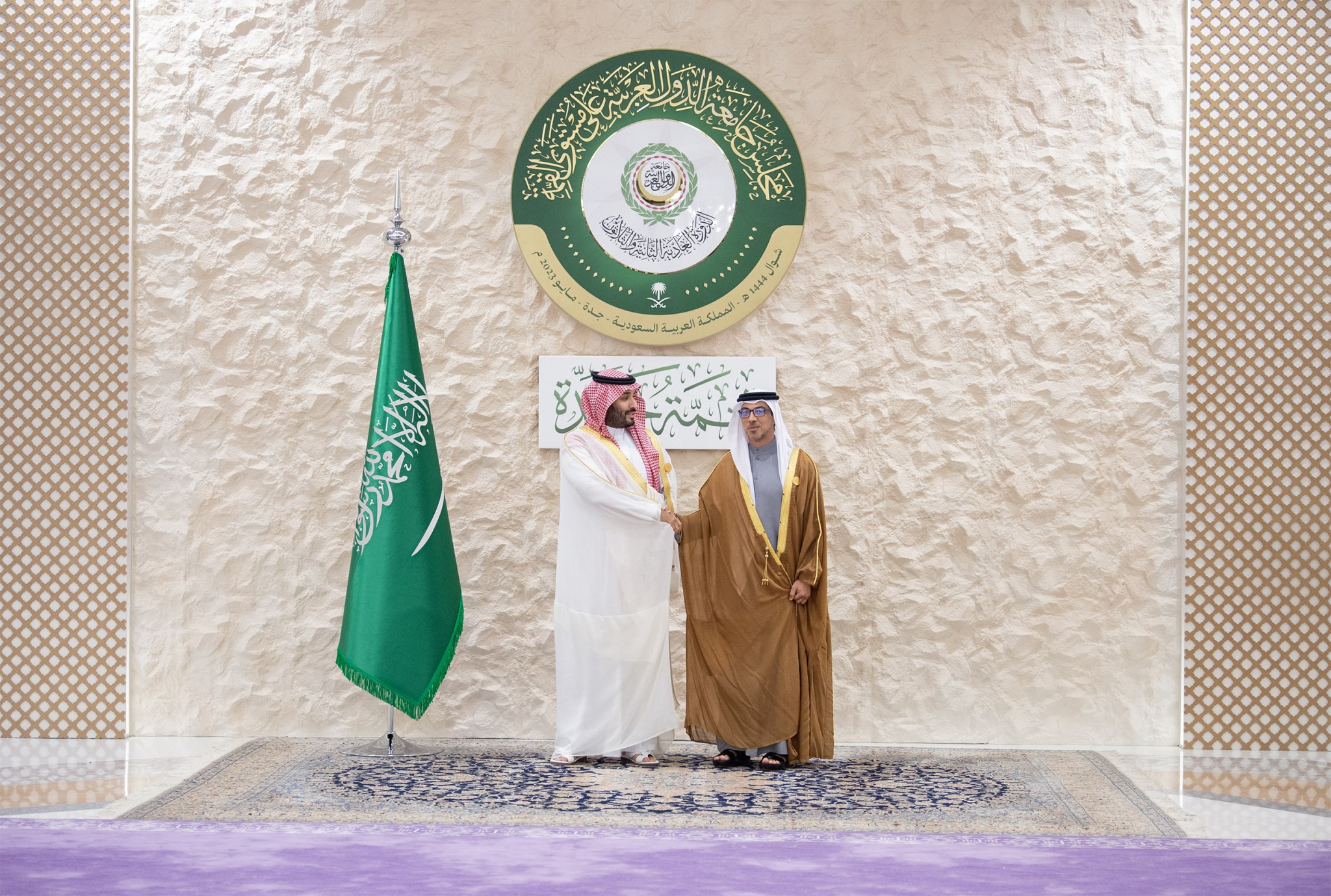
(Credit: Bandar Aljaloud / Royal Court of Saudi Arabia / Handout/Anadolu Agency via Getty Images)

Welcome to this week’s Fortune Gulf Brief. We’ll be covering:

In a sign of thawing relations, UAE vice president Sheikh Mansour bin Zayed met with Saudi crown prince, Mohammed bin Salman, in Riyadh on Tuesday, marking the first high-level bilateral meeting since a major rift over Yemen opened up earlier this year.

In January, Saudi forces attacked and defeated the UAE-aligned Southern Transitional Council (STC), which had been seeking to re-establish an independent southern Yemen. The UAE subsequently effectively withdrew from Yemen.

However, in September, the Iran-aligned Houthis pushed south towards the Bab al-Mandab Strait, defeating pro-government forces, including the UAE-backed National Resistance Forces led by Tareq Saleh.

This has changed the geopolitical faultlines.

In a further sign of a diplomatic rapprochement, the future role of the UAE in Yemen was discussed during a meeting in Abu Dhabi on Sunday attended by Israeli Prime Minister Benjamin Netanyahu, UAE President Sheikh Mohammed bin Zayed Al Nahyan, and representatives from several other Arab states, including Saudi Arabia.

Meanwhile, indirect talks between the U.S. and Iran to bring an end to the war have continued this week on the sidelines of the UN General Assembly, but publicly the two sides remain divided over both the sequencing and substance of any potential deal.

Last week, Iran’s foreign minister, Abbas Araghchi, presented a plan to end the conflict to U.S. negotiators via Qatari mediators that strongly resembles the 60-day interim deal reached in June, but with an accelerated seven-day timetable.

The plan is centered on the Strait of Hormuz, with Tehran proposing to reopen the critical waterway within seven days if Washington lifts its naval blockade, releases frozen Iranian funds, eases sanctions on Iranian oil and agrees to a regional ceasefire. Iran says nuclear negotiations could then begin.

On Monday, U.S.-based news outlet Axios published a report citing unidentified U.S. officials who said Trump was willing to grant Iran some sanctions relief and access to frozen funds in return for concessions on its nuclear program. 

Shortly after, Trump denounced the report on Truth Social, writing, “This is untrue. I offered them NOTHING”.

Notably, CNN also cited an unidentified U.S. official who echoed the statements reported by Axios. 

Araghchi left New York on Tuesday after telling state-run Islamic Republic of Iran Broadcasting (IRIB) that he expects a formal response to Tehran’s proposal by the end of the day.

On Tuesday, the Iranian rial plunged to a record low, trading at more than 2.54 million to the dollar in Tehran’s open market, down from around 2.4 million on Monday, according to Pashizi, a website tracking Iran’s free foreign exchange market.

Melissa Hancock

And as ever, thanks for reading, and do keep in touch with your thoughts and ideas.
[email protected]

Sign up to read this article
Read news from 100's of titles, curated specifically for you.
Already a member? Sign in here
Related Stories
Top stories on inkl right now
One subscription that gives you access to news from hundreds of sites
Already a member? Sign in here
Our Picks
Fourteen days free
Download the app
One app. One membership.
100+ trusted global sources.