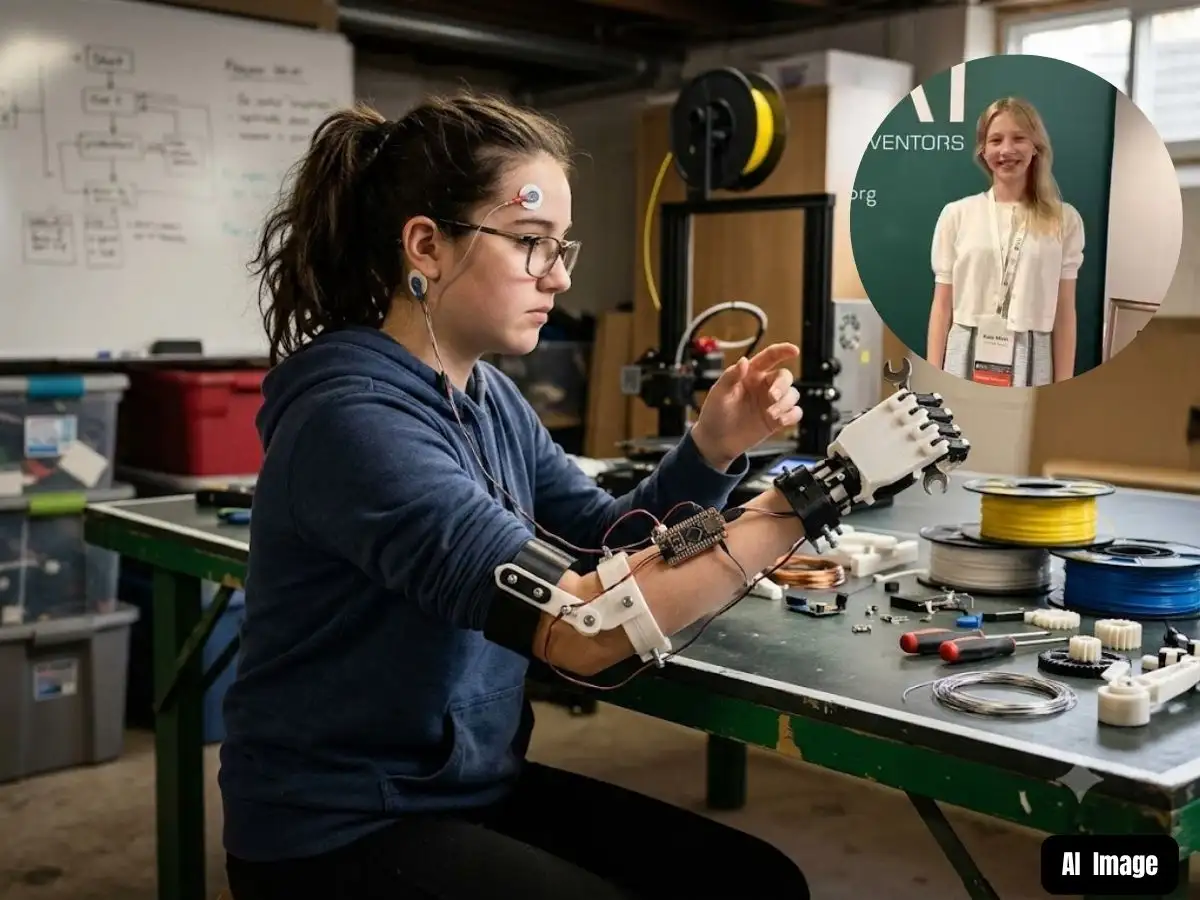
There was a certain kind of quiet that settles over a house during a lockdown. For most families, it meant sourdough starters and Netflix queues. For one Virginia teenager, it meant clearing off the basement ping-pong table and turning it into a robotics lab. Benjamin Choi was in tenth grade when the world shut down in 2020. His summer research placement, studying aluminum-based fuels, had evaporated overnight. What he had instead was time, and a memory that had been sitting with him since third grade.
That memory was a television segment about a paralyzed patient who could move a robotic arm using only her thoughts, thanks to sensors surgically implanted in her brain. It had stunned him as a kid. It had also bothered him. The technology worked, sure, but it demanded a dangerous operation and a price tag that put it out of reach for almost everyone who might need it.