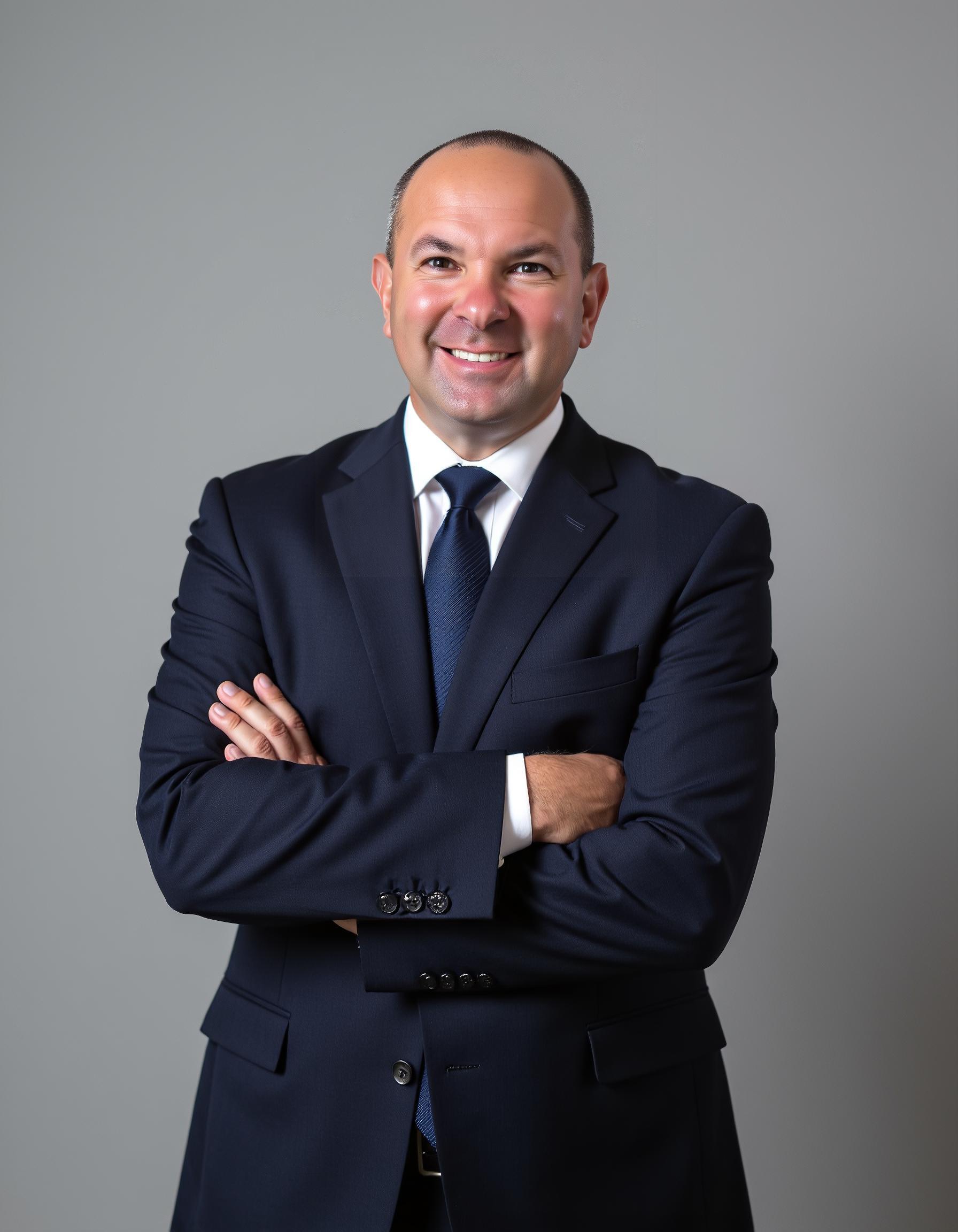
Frank Cardia doesn’t chase headlines anymore. The financial advisor who once thrived on the adrenaline of day trading and the pursuit of home run returns has spent nearly three decades learning what most investors figure out too late: that patience pays. That transparency isn’t optional. That the clients who stick around aren’t looking for the next hot tip or overnight fortune. They want someone who’ll tell them the truth, even when it stings.
“Full transparency. Nothing is more important to me than my clients knowing exactly everything and anything about the transaction they are about to make,” Cardia says. “There should be zero misunderstandings.”
It’s a philosophy he didn’t always hold. Back in 1996, when he started as a registered representative, the game looked different. The markets moved fast. Clients wanted action and Cardia delivered, building a multimillion-dollar book of business on his ability to navigate equities with precision. But somewhere along the way, between the bull runs and the corrections, between the private equity deals and the billion-dollar transactions he helped close, something shifted.
“As I have aged, so have my clients, and with that, our tolerance for risk has changed too,” Cardia says. “I am now, more than ever, OK with being super selective in our investment choices and waiting on the sidelines for the right one. Back in the day, I wasn’t happy unless we got that home run return. I have now become way more focused on doubles and triples, while mitigating risk.”
It’s not a retreat, it’s a refinement. The kind that comes from watching markets collapse and rebuild, from seeing clients panic and recover, from recognizing that the most dangerous move in finance isn’t taking a risk but taking the wrong one at the wrong time.
Frank Cardia holds a Series 65 license and has spent years managing private equity funds, working with high-net-worth individuals both in the United States and internationally. Before co-founding Augurey Ventures, he built a career on his ability to evaluate everything from stocks and bonds to options, fixed income investments, and private equity opportunities. His background includes operations, management, and the structuring of funds. But the constant through all of it has been his retail business, the one-on-one relationships with clients who trust him not just with their money but with their futures.
The Discipline of Saying No
Cardia has learned to slow down.
“In this market, I have learned to be disciplined and not make any knee-jerk reactions to become a buyer based solely on the ‘good news’ of the day,” he says. “I have put a lot more time into looking at a company’s Data Room and really examining the good, the bad, and possibly the ugly of it.”
He asks upper management a specific series of questions. He waits. He watches the can get kicked down the road a bit more, looking for proof that a company is moving in the right direction over the long term. It’s not exciting. It won’t make for a great story at a dinner party but it works.
“Mitigation of risk has become paramount for me,” he says.
That approach stands in contrast to the market’s constant demand for speed. Social media influencers push crypto, podcasts hype SPACs. Every week, there’s a new trend, a new reason to act now. Cardia has seen this movie before and he knows how it ends.
So he waits. It’s a practice he’s honed through years of endurance training. Over 25 years of pushing his body through marathons, triathlons, and ultramarathons has taught him two things that apply directly to his work.
“Hard work beats talent when talent doesn’t work hard,” he says. “I have just always loved that philosophy.”
The second lesson cuts deeper. “Extreme endurance training has taught me more than anything how to get comfortable with being uncomfortable.”
That comfort with discomfort shows up in his willingness to sit on cash when others are jumping in. It shows up in his ability to have hard conversations with clients who want action when patience is the better move. It shows up in his refusal to pretend he knows something when he doesn’t. Because in a world full of noise, the most valuable thing a financial advisor can offer is clarity.
What Clients Really Want
Frank Cardia doesn’t have to guess what his clients value most; he knows.
“Honesty. End of story,” he says. “Nothing replaces pure brute honesty in a financial partner.”
It sounds simple. Almost too simple but in an industry built on jargon, fine print, and carefully worded disclaimers, honesty is rare, and clients know it.
They’ve been burned before. They’ve signed documents they didn’t understand. They’ve trusted advisors who prioritized commissions over outcomes. They’ve watched their portfolios shrink while being told everything was fine.
So when Cardia says he won’t move forward on a deal until his client understands every detail, they believe him because he’s built a career on proving it.
That trust didn’t come overnight. It came from decades of showing up, of doing the work even when it wasn’t glamorous, of putting client outcomes ahead of his own convenience. It came from embracing a principle he learned from motivational speaker Zig Ziglar back in the 1970s.
“You can have everything in life you want if you will just help other people get what they want,” Cardia says. “I have built my business on that belief.”
It’s not a marketing slogan, it’s the operating system.
When Cardia evaluates a private equity opportunity, he’s not thinking about his fee. He’s thinking about whether the investment makes sense for the client sitting across from him. When he reviews a Data Room, he’s not looking for reasons to say yes. He’s looking for red flags that might justify saying no.
That’s the difference between a transactional relationship and a partnership. One ends when the deal closes, the other compounds over decades.
The Long Game
Building wealth deliberately instead of quickly requires a specific mindset. One that most people struggle to adopt because it’s boring and requires saying no more often than saying yes. Because it means watching others celebrate wins while you’re still doing homework.
But Cardia has advice for those willing to play the long game.
“Be patient,” he says. “Nothing worthwhile is done overnight. Have a plan, take massive action towards that plan, be smart and aware enough to recognize what is working and what is not, then make the necessary changes, and then go back to massive action. Work so hard at it that it would be unreasonable for you not to have had success in it. That's simple.”
Simple, not easy.
The plan requires clarity. The massive action requires discipline. The recognition of what’s working requires humility. The willingness to change course requires courage and the sustained effort over time requires the kind of endurance that can’t be faked.
Frank Cardia has spent his career refining this approach. He’s seen what happens when investors skip steps, when they chase returns without understanding risk, when they mistake movement for progress.
He’s also seen what happens when they do it right. When they build wealth not through luck or timing but through consistent, informed decision-making. When they partner with someone who cares more about their long-term success than about closing the next deal.
That’s the business he’s built. That’s the reputation he’s earned. And that’s the standard he holds himself to, even when it costs him opportunities.
What’s Next for Frank Cardia
The financial industry is changing. Artificial intelligence is reshaping how advisors analyze data, communicate with clients, and manage portfolios. Some see it as a threat; Cardia sees it as an opportunity.
“I am very curious to see how AI becomes a factor in all of this,” he says. “What good it brings, and what bad. I am very much a creature of habit, but I am truly excited about the massive change that will be coming, and finding my way to utilize it and dominate in it.”
It’s the same approach he’s taken to every shift over his 30-year career. Watch, learn, adapt, don’t panic, don’t pretend to have all the answers. Just stay disciplined, stay honest, and keep doing the work.
Because at the end of the day, that’s what separates the advisors who last from the ones who flame out. It’s not about being the smartest person in the room. It’s not about having the best sales pitch or the flashiest track record. It’s about showing up for your clients every single day with the same commitment to transparency, the same willingness to ask hard questions, and the same refusal to take shortcuts.
Frank Cardia has been doing that since 1996. And if the next decade looks anything like the last three, he’ll keep doing it. Not because it’s easy. Not because it gets him attention but because it’s the right way to build wealth that lasts.






.png?w=600)