Dropping unwanted clothes into a donation bank often feels like one of the easiest environmental choices a person can make. It suggests reuse instead of waste, and generosity instead of landfill. In many cases, that instinct is worthwhile. Good-quality garments are resold, reused, repaired or redistributed, helping extend the life of clothing and reduce demand for new production. The global second-hand market also supports livelihoods for traders, tailors, sorters and recyclers in many countries.
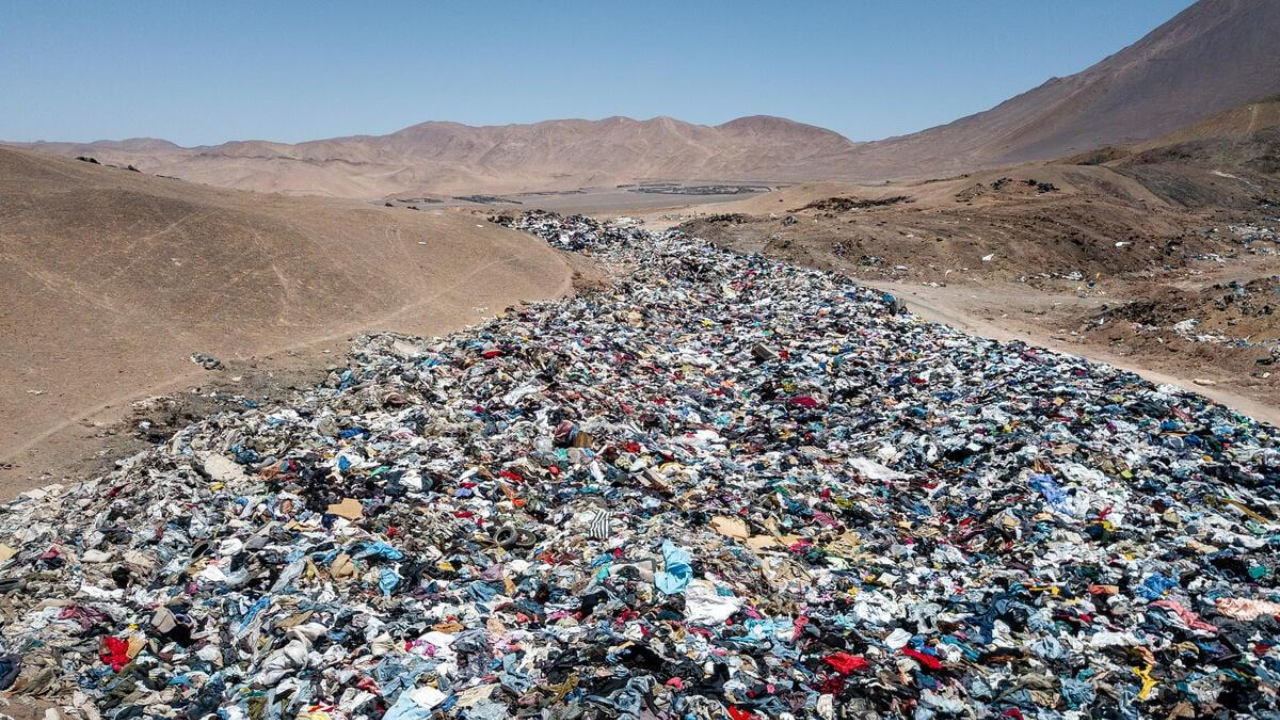
Yet there is another side to the story. When huge volumes of low-value, damaged or poor-quality clothing enter donation streams, not all of it can be sold or recycled efficiently. Some garments are shipped across continents and eventually discarded in deserts, drains, beaches, open dumps or informal waste sites. From northern Chile to parts of Southeast Asia and Africa, unwanted textiles have become one of the clearest symbols of fast fashion’s hidden afterlife. This paradox reveals that mindful consumption and responsible disposal are just as important as donation in addressing the true environmental cost of clothing. We must transition from a culture of disposable convenience to one of circular sustainability, where the entire lifecycle of our garments is respected and managed responsibly.