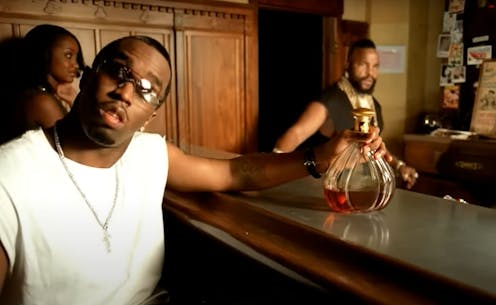
In the quiet town of Cognac, France, on a quaint cobblestone street just off the banks of the Charente River, lies the Musée des Arts du Cognac. The museum recounts the history, savoir-faire, and world renown of France’s most famous hard liquor. The production of cognac began in the early 1600s, and the museum covers everything in this long history from the crus that form the terroir to the painstaking process of building the barrels in which the spirit ages. One exhibit identifies cognac as “a particular favourite with middle class people of Afro-american or Latin origin.” It doesn’t really explain what that means – the fact that cognac’s biggest market by far is the United States, and within the country, African Americans reportedly comprise the largest share of consumers.
Why is that? According to popular media and industry folklore alike, African American cognac consumption dates to either or both world wars. In this telling, Black GIs sent to Southwest France fell in love with the bottled spirit as much as the spirit of a country they perceived as decidedly less racist than home. Journalists offered this origin story in Slate in 2013, and on Medium in 2020.