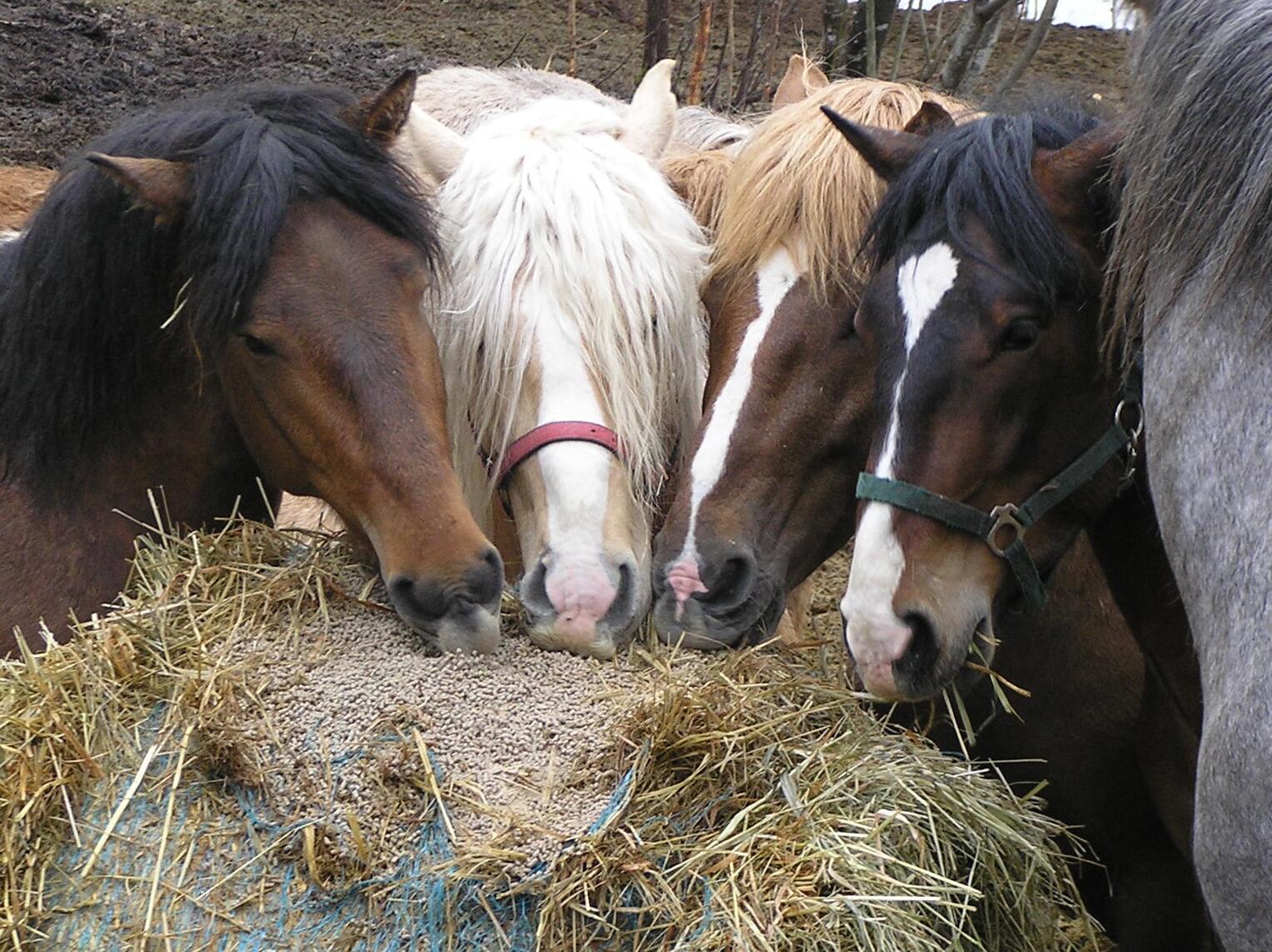
When British forces brought large numbers of horses to South Africa during the South African War between 1899 and 1902, they also relied on extensive international supply networks to support the campaign. Sandra Swart's Riding High: Horses, Humans and History in South Africa explores how these wartime movements connected people, animals and environments in unexpected ways, including the spread of introduced species. The study looks at how horses influenced South Africa’s history beyond their military role, showing how the movement of animals, people and supplies during colonial conflicts also created opportunities for ecological changes.
Get breaking news anytime, anywhere. Download the TOI app now!
During the war, horses were essential for transport and communication. Keeping these animals supplied required large amounts of feed, much of which came through international trade networks. Swart’s research shows how wartime supply networks connected distant regions and helped spread species beyond their native ranges.
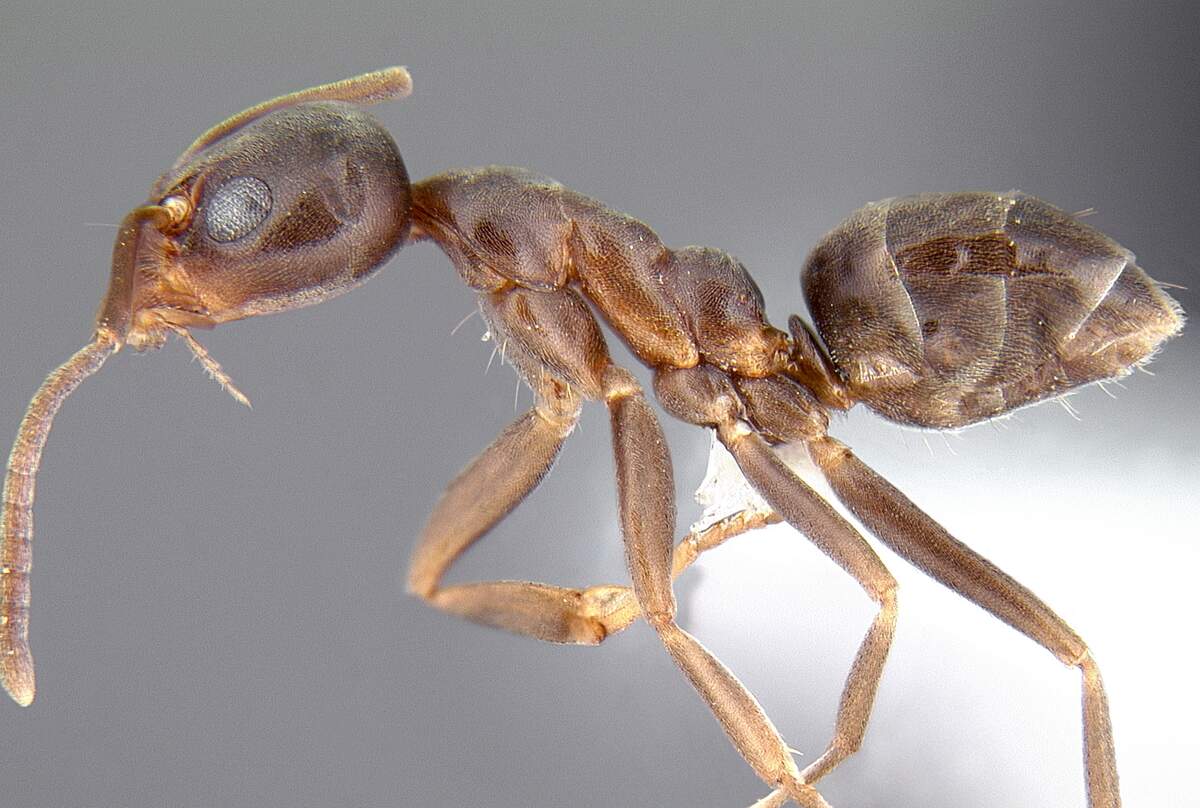
One of the species associated with these historical movements was the Argentine ant, scientifically known as Linepithema humile. After becoming established in parts of South Africa, the ants affected local ecological relationships, particularly those involving native ants and plants.
How Argentine ants affected seed dispersal
Argentine ants affected plant regeneration by disrupting seed dispersal. Many plants depend on ants for seed dispersal, a process in which insects carry seeds away from parent plants and help them reach new areas. Some seeds also have small nutrient-rich structures that attract native ants, encouraging them to carry the seeds to suitable places for growth.
The research discussed in Swart’s Riding High explains how the arrival of Argentine ants disrupted some of these ecological links. Unlike many native ants, Argentine ants do not always provide the same seed dispersal benefits. Their presence can change the way seeds are moved through an ecosystem, affecting the regeneration process of certain plants.
According to the study, Argentine ants can interfere with seed-dispersal relationships involving native ants, with potential effects on the regeneration of some large-seeded plants. Research referenced in Swart's historical analysis found that Argentine ants can greatly reduce the dispersal of some large seeds by native ants, affecting an ecological process that supports the regeneration of certain plant species.
The effect is not caused by the ants directly harming plants, but by the way they alter the ecological relationships that support plant regeneration. Instead, it occurs because they influence a relationship that plants have depended on for generations. When native ants are displaced, some plants lose an important seed-dispersal partner.
Swart places this ecological change within a wider history of human movement. The arrival of Argentine ants was an unintended consequence of systems created to support military activity. A supply chain developed for horses during wartime also created a pathway for a species to enter a new environment.
How war, animals and nature became connected
The horses used during the South African War played an important role in military operations, but the networks built around them also influenced the movement of other organisms. Her research highlights how animals involved in human activities can also become connected to long-term environmental changes.
Once established, some introduced species can affect local ecological relationships in ways that are difficult to reverse. A shipment of animal feed intended to support horses during a conflict became part of a much larger environmental story. Hidden among the supplies that supported them was a species that later influenced how some plants recovered and interacted with the landscape around them.