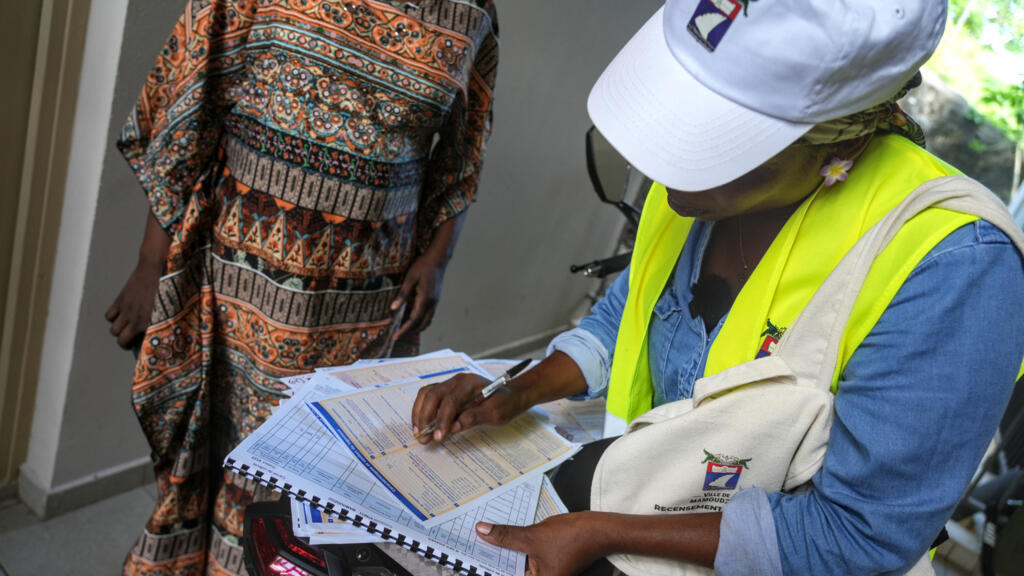
As France begins its annual census, rights groups are renewing criticism of a question asking where respondents’ parents were born – saying it will not help fight discrimination.
The question, “Where were your parents born?”, was added to the census last year.

It was criticised by the Human Rights League (LDH) and other organisations, which questioned why the information was needed.
The census is designed to build a picture of the French population and help shape public policy.
Listen to a history of the census in France in the Spotlight on France podcast:

The LDH said information on people with foreign-born parents was already collected through other statistical studies and did not need to be included in the census.
“The question is not about us, it’s about our parents,” wrote the LDH in a letter published Sunday.
Use of census data
The census is run by the national statistics institute Insee. Its head of demographics, Muriel Barlet, defended the question.
“Answers will be used to highlight questions about segregations on a local level,” she told RFI.
France has a sensitive history with ethnic and racial statistics. During the Second World War, the French state collaborated with Nazi Germany and census data was used to identify Jews in France, many of whom were later deported.
A 1978 law bans the collection of personal data linked to a person’s origin or race. However, indirect methods are allowed, including questions about parents.
The LDH said it was concerned the data would not lead to concrete anti-discrimination policies and could be misused if accessed by the wrong people.
The group has called on census respondents not to answer the parents’ birthplace question, which is optional, even though completing the census itself is mandatory.