‘Horse girls,’ once the punchline of a thousand jokes and long-standing shorthand for a deeply strange, equine-obsessed outcast, have seen a full 180-degree rebrand. In 2026 – thanks in no small part to famous devotees like Bella Hadid and Kendall Jenner – they’ve become an oddly elite cohort.
Equine motifs stampeded across S/S 2026 runways, and as we saw over the holidays, tastemakers didn’t stop at fashion, harnessing the fantasy at home with red-and-green tartan napkins threaded through brass bit rings, cosplaying as family heirlooms. But why now? And in this post–Ralph Lauren Christmas, pre–Year of the Horse moment, what exactly is the state of equestrian decor in 2026?
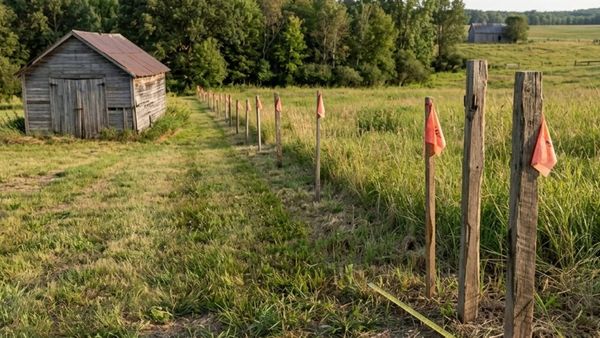
At its core – and, arguably, at its most vapid – anything equine implies money. That isn't always true; maybe you mucked stalls to pay for lessons. But historically, it's a rarified world. With ‘quiet luxury’ still lingering in the rearview mirror of interior trends, it's easy to see why our appetite for subtle status symbols has trotted back into something similarly subliminal.
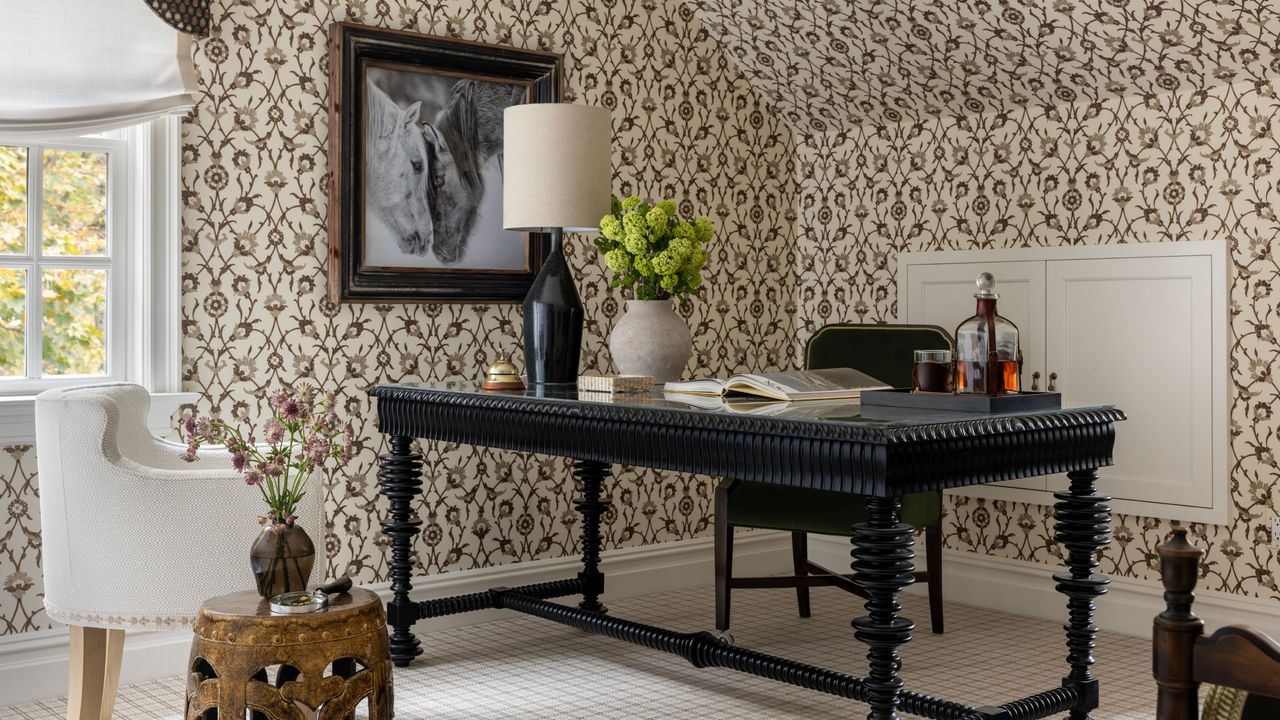
Now, 2026-era equestrian decor relies less on pony-clad cushions and more on ‘hidden’ horsey cues, whispering wealth with trough sinks, cognac hues, reclaimed wood, and silhouettes borrowed from the tack room. ‘For a long time, equestrian decor was often associated with the bold, literal maximalism of horses and leather. Then we saw a lot of that Ralph Lauren aesthetic holiday manor look, which is beautiful but very specific,’ notes Sheldon Harte, principal at Harte Davis Interior Design – a horse-owner-of-two who lives this aesthetic personally.

‘In design terms, we’re moving away from “thematic” decorating and looking at the structure of the equestrian world. Instead of putting a horse statue on every pedestal, we’re looking at the architectural lines of a stable – the rhythm of the stalls and the honest beauty of the materials.'
Indeed, there's a ruggedness baked into anything equine-adjacent that can’t be faked. Materials are thicker, finishes are visibly worked, and no accoutrement exists purely for kicks. In Sheldon’s Wine Country home project, that utilitarian ethos shows up in subtle but telling ways, like a pair of Paul Ferrante cast-iron hand sconces in the powder room. ‘It’s a sculptural nod to the human element of riding, similar to holding the reins,’ he says, pairing them with a 19th-century worktable sourced from an old Italian saddle workshop.

‘I’ve definitely noticed the popularity that equestrian has brought into interiors. As a fellow horseback rider, this makes me so excited! We work with some clients in the equestrian realm and love incorporating personal touches into our clients homes,’ notes Hannah Oravec, owner of New England–based luxury interior design studio Lawless Design.
‘My personal favorite way to incorporate equestrian details that feel curated is adding vintage elements into your home. This could be an interesting leather chair for a den, or even lighting.’ ‘Lighting is another area that we’ve had fun with using stirrup and bit silhouettes,’ she adds. Think the brass-ringed Haverford Chandelier from the Ariel Okin x Mitzi Tastemakers collection, or Pottery Barn's leathery Powell Pendant – both make fabulous overhead forays.

Paint plays a hand, too. ‘An equestrian feel also can come entirely from the background color palette and materials in an interior; you really don’t need to blanket the walls with photos of horses and horse head sculptures to establish the feeling,’ explains designer Sheldon Harte, alongside Prudence Bailey, founder of Prudence Bailey Interior Design. ‘The colors should feel rich but muted,' she adds, citing warm browns, soft blues, greens, and creamy neutrals.
Sheldon points to a stable of shades he returns to often. There’s espresso (‘Benjamin Moore has a charcoal-infused espresso they call Silhouette,’ he tells Homes & Gardens), Farrow & Ball’s Marmelo – an ember-toned rust – and Mouse’s Back, ‘a grey-brown shade taken from British field mice, which tend to shelter in barns,’ he explains.
And if you’re craving contrast, there’s always a hit of Hermès orange. The fashion house, Sheldon notes, is the ‘gold standard’ of equestrian inspiration, ‘because it treats leather and wood with such discipline. It’s equestrian in its DNA, not just its look.’

But you don’t need a riding background – or an orange-box budget – to buy in. ‘There are easier ways to incorporate rustic textures and equine ephemera in a home,’ Sheldon insists. ‘Instead of standard pulls, hand-stitched leather hardware on a chest of drawers offers a tactile experience.’ That could be as simple as a $25 hardware swap and a screwdriver. Suddenly, ‘You feel like you’re picking up a bridle every time you open a drawer.’

Horses were born to run, and approaching the Year of the Horse, equestrian decor finally reflects that sense of movement. The look is loosening up. It’s less formulaic than a Ralph Lauren Christmas, though touchstones like the Polo Lounge at the Beverly Hills Hotel and the wider RL universe still anchor the category. In 2026, the aesthetic remains informed by the sport, but no longer trapped by its clichés.

‘As both an interior designer with my own firm and a lifelong equestrian who has been riding and showing horses since I was ten,’ notes Lexie Saine, owner and principal of Lexie Saine Design, ‘this trend feels less like a moment and more like an evolution.’
What’s emerging isn’t a strict divide between English tradition (the Ralph Lauren-coded world) and Western utility (trough sinks, copper, patina), but a considered blend of the two. A new sensibility that, lingering horse girl jokes aside, Lexie describes as ‘deeply emotional,’ rooted in reconnection – to animals, to nature, to being offline.

‘As we head into the Year of the Fire Horse this February, the energy is shifting,’ adds designer Sheldon Harte. ‘I’m seeing us move into a “curated, architectural phase.”’
And while the look has never been more visible, it’s also never had more room to graze. In an era where TikTok-born design trends churn weekly, equestrian decor stands apart precisely because it isn't invented by AI. ‘I don’t think the equestrian aesthetic could ever hit a saturation point because it’s rooted in comfort and heritage,’ he says.

For a certain set, this was never a phase. Some have worn the term ‘horse girl’ like a blue ribbon of honor the entire time. Yes, it’s always been a status signal, but more than that, it’s a layered, emotionally rich culture shaped by tradition and sport. Now, everyone else is simply catching on. Sheldon Harte observes: ‘It’s not a “trend” you’re going to get tired of in six months; it’s a way of living.’
From here on out, it’s off to the races. We’re betting this interior ‘trend’ has a long, beautiful ride ahead.
The Equestrian Edit
If the equestrian moment has taught us anything, it’s that it was never really a trend to begin with. Tradition has staying power – and with the right cues, it’s easier to fake than you think. Consider this your jumping-off point for designing a home that never dates.