Whether you’re growing your own tomatoes from seeds or in pots, nothing beats the taste of fresh, homegrown tomatoes.
This is especially true when you can just pick straight from the vine and throw them into your tasty pasta dishes or summer salads.

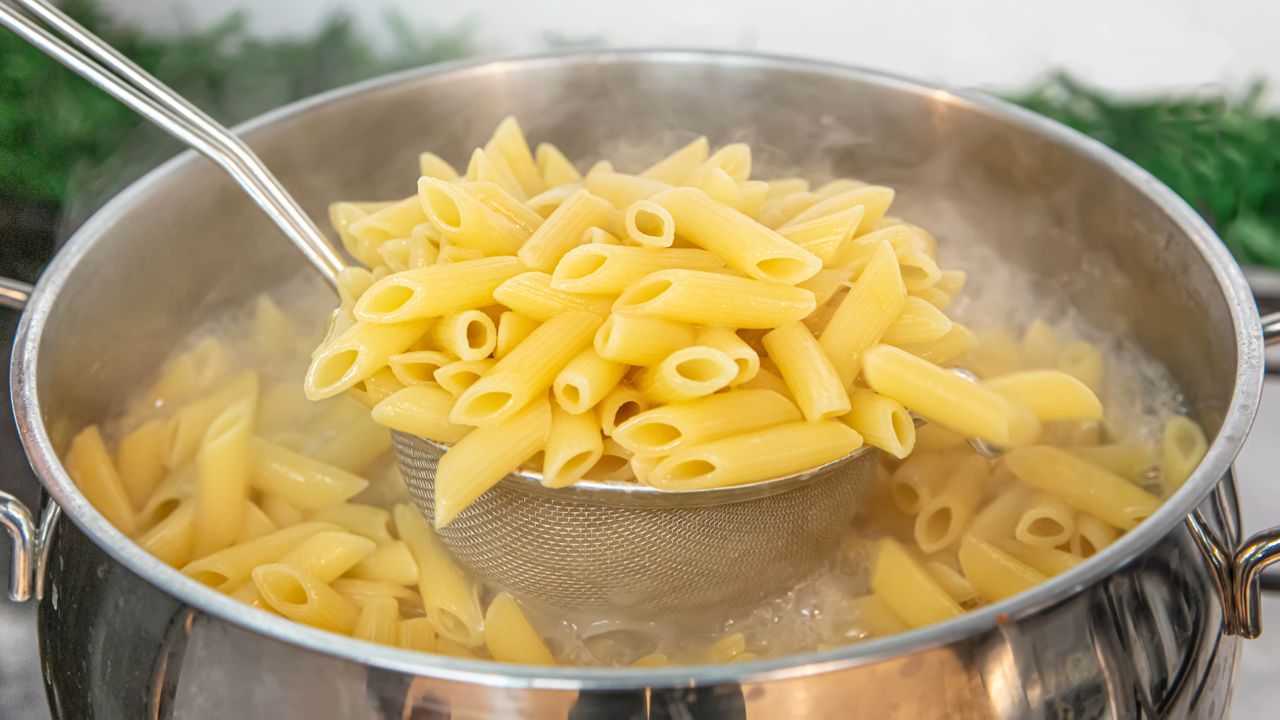
But when you’re boiling your pasta, don’t be so quick to throw out your leftover water just yet.
I’ve just stumbled upon a surprising benefit from this common kitchen ‘leftover’ that might just help your tomato plants thrive. It’s a great way to provide a natural boost to your crop without the need for expensive fertilizers or the latest viral tomato-growing tips.
However, you’ll need to know the pros and cons first before putting it to good use in your yard. Here’s how pasta water can benefit your tomatoes (and the one drawback).
Why pasta water is good for tomato plants
Essentially, when you boil pasta, the process releases excess starch into the water. This creates a nutrient-rich liquid that can act as an effective fertilizer for your tomato plants and encourage soil microbes.
Plus, certain pasta varieties release essential minerals such as calcium, phosphorus, and iron — which are all great for giving our plants a healthy boost and optimum growth.
However, this will only be effective with unsalted pasta water — or else the salt can dry out the plant or even kill it. What’s more, the salty water can lead to excess sodium in the soil, which will also affect growth.
@simonakeroydgardener Don’t use pasta water if you have added salt or oil to the water. You can always season and add a dressing to your pasta afterwards. Don’t throw away the water you cooked your pasta in. Allow it to cool and then use it to feed and water your plants. It acts as a tonic or feed supplement for your plants. Pasta water contains lots of starch which my encourages soil microbes and healthy plant growth. Pasta water also contains a few nutrients such as calcium, potassium and iron which can help boost plant growth and act as a support to other plant feeds. If the pasta water is very starchy you can water it down as too much starch could encourage mould to form. My Gardening Experience days start in March and are ideal for beginner gardeners who wish to learn the basics of gardening. I’m holding the day-long courses at Torre Abbey in Torquay on the stunning English Riviera in South Devon. Places are limited. Visit my website to find out more, and book to guarantee your place. Hope to meet you then.
♬ Bella ciao - Fonola Band
How to water your tomato plants with pasta water
Simply drain your pasta water into a bowl, and leave it to cool. Once cooled, you can water the soil directly from the bowl or use a watering can or spray bottle to make the process a little easier.
Now you have your starch-rich, plant tonic — which is literally free.
One thing to remember
It is worth noting that there is one drawback. This starchy liquid may potentially attract unwanted pests or harmful bacteria to your garden.
To avoid the risk of mold in your soil or drawing insects, it’s recommended to use pasta water on plants sparingly.
Of course, it’s always best to use the right fertilizer for your tomato varieties, but there’s no harm in using homemade alternatives.
Plus, this is a cost-effective way to reuse your pasta water (until you get fed up of eating pasta dinners).
For more top tips, check out when to fertilize tomatoes: the 3-step schedule for a bountiful harvest.