
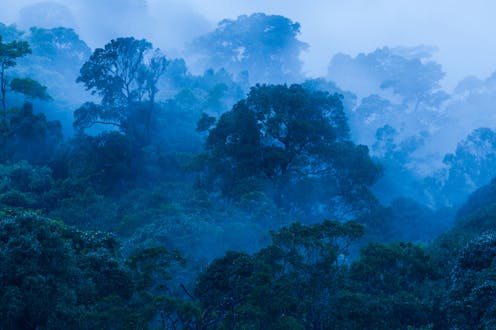
Nowhere is nature more vibrant than in Earth’s tropical forests. Thought to contain more than half of all plant and animal species, the forests around Earth’s equator have sustained foragers and farmers since the earliest days of humanity. Today, their bounty underpins much of our globalised diet and holds vast potential for new and existing medicine. Those that remain lock up billions of tonnes of carbon dioxide each year, providing the best natural solution for climate change. There is no credible path to net zero emissions in which tropical lands are ignored.
Nations are clamouring for information on how much carbon tropical forests can keep out of a rapidly warming atmosphere to help limit global warming to well below 2°C. The best way to study these forests is through long-term measurements taken in carefully defined plots, one tree at a time, year-after-year. These plots tell us what species are present and need help, which forests store the most carbon and grow fastest and which trees excel at resisting heat and producing timber.














