The initial filming day for Racing Bulls at Imola and the collective shakedown in Barcelona mark the first steps for Red Bull-Ford Powertrains on track.
The partnership came about after Red Bull’s negotiations with Porsche – which wanted to be a partner “on equal footing” – broke down and Ford Performance director Mark Rushbrook saw his opportunity. By his own admission, he simply sent former Red Bull boss Christian Horner an email asking whether he might be open to a conversation.
And so it happened, something Horner later joked about: “We went to a meeting at Dearborn [Michigan] on the way to Brazil, and met with Mark, Bill Ford and Jim Farley. I thought we were in good shape when Jim walked into the meeting with a Sergio Perez cap!”
It illustrates that Horner played a major role in getting the deal over the line. He was one of the strongest advocates of Red Bull’s in-house engine project, as the Briton no longer wanted to depend on others after the experience with Renault and then Honda’s sudden decision to formally leave. Furthermore, Horner strongly believed that a potentially better integration of the power unit into the chassis would bring the team long-term benefits.
At the start of the on-track collaboration between Red Bull and Ford, Rushbrook has not forgotten Horner’s role.
“He deserves a lot of respect for what he built in the Red Bull team over 20 years, with the championships and also the technical depth that was built there,” he said. “And yes, he was the one in our very first discussions.
“It was a very immediate relationship that was built all the way to the top of our company – and that's part of what helped us to come into the sport in what we believe is the right way. So, full credit for everything that he's delivered across his career.”

Ford values Mekies' contribution to the technical team
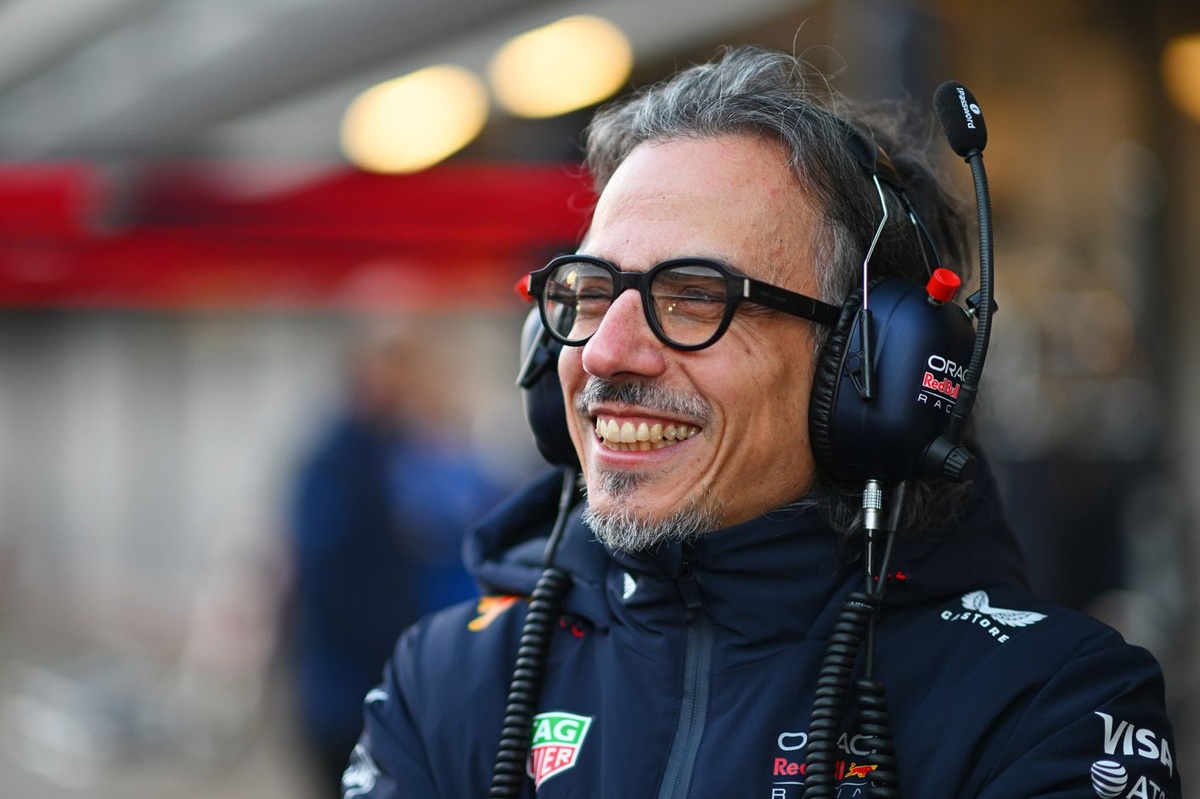
That said, Horner’s Red Bull replacement Laurent Mekies brings an engineering background to the position, which is highly rated within Red Bull – not least by Max Verstappen. It was mentioned in Red Bull’s official communication as one of the main reasons for his promotion, and Ford sees it as an advantage as well.
“I personally believe that it does help, because he has a better understanding of what it ultimately takes to deliver the car,” Rushbrook told Autosport.
“Of course, he's not going in there and doing the detailed engineering himself, but he's able to support Pierre [Wache], Pedals [Paul Monaghan] and everybody. When they need help or when a project needs to be approved, Laurent is able to see it, understand it and give them the support they need.”
It fits a broader trend in F1: more engineers have moved into senior roles. In a way, Rushbrook’s own leadership at Ford Performance is similar to that of Mekies’ at Red Bull.
“In many ways it’s similar to my situation, indeed,” he explained. “Maybe it's not the best comparison, but in terms of Ford Racing, I'm able to lead this team now with an engineering background. And I believe that helps me in terms of what I'm doing and also understanding what the team needs to do.
“Of course, we’re relying on great partners on the marketing and communications side to maximise everything for that as well, but as a racing team, I think it definitely helps.”

The transition was smoothened by the fact that Mekies was no stranger to Ford, given his previous role at Racing Bulls. The Faenza-based sister team is also relying on Red Bull-Ford Powertrains in F1’s new era.
“We knew Laurent from when he was at VCARB, and we already had a relationship with him preparing for 2026,” Rushbrook said. “Based on that, we had a lot of confidence in what he was doing there. When the decision was made to put Laurent in at Red Bull, we were confident in who he is as a leader and as an engineer.
“I think he came in with the right approach as well. He believed in the team and what they were capable of. He has been there to support them, to help them get their full capability.”