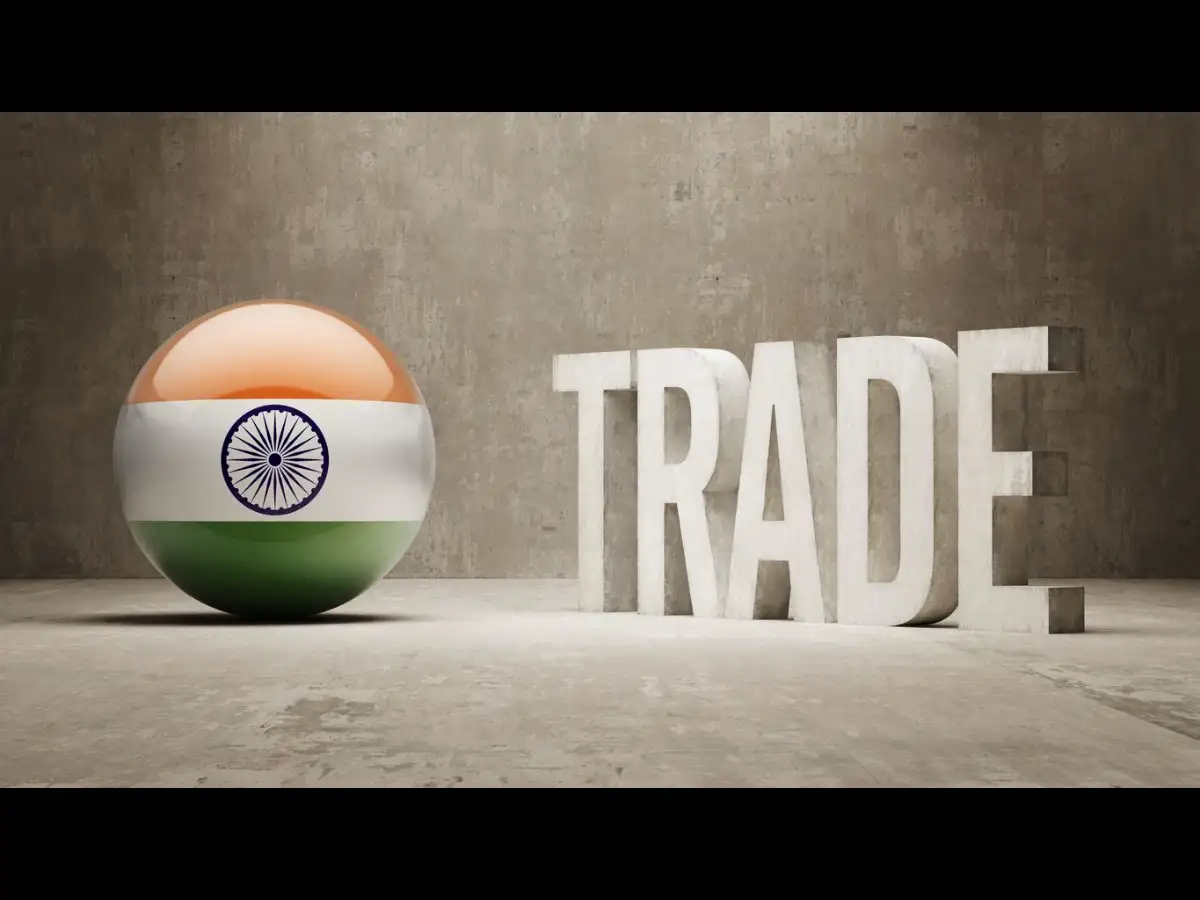
The Directorate General of Foreign Trade (DGFT), on July 13, 2026, quietly rewrote a small but consequential part of India’s trade rulebook. Notification No. 23/2026-27 inserts Paragraph 2.20B into the Foreign Trade Policy 2023, prohibiting the import of goods produced wholly or in part through forced labour. Additionally, Paragraph 11.64 has defined “forced labour” as per the International Labour Organization’s (ILO’s) 1930 convention. The provision takes effect 30 days after publication in the gazette. The reading of the insertion of these paragraphs may be done in several ways.
First, India has long prohibited forced labour. Article 23 of the Constitution of India and the Bonded Labour System (Abolition) Act, 1976, explicitly ban forced or bonded labour in the country. India, as one of the founding members of the ILO, has ratified the conventions regarding forced labour. However, a trade-side mechanism was missing. Para 2.20B closes that gap and empowers the government to stop a shipment if forced labour is used in the commodities. This policy does not impose an automatic blanket ban on imports; instead, it provides an enabling framework for the DGFT to investigate specific goods and recommend prohibitions based on the use of forced labour.