Get all your news in one place.
100's of premium titles.
One app.
Start reading
The Conversation
The Conversation
Jill Roberts, Associate Professor of Global Health, University of South Florida

Food expiration dates don't have much science behind them – a food safety researcher explains another way to know what's too old to eat

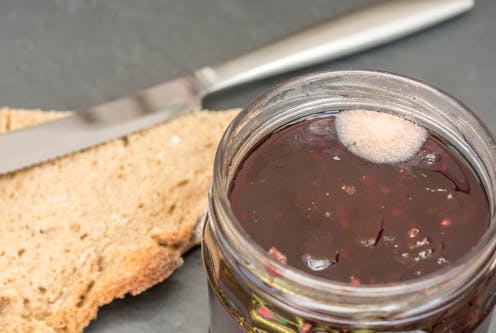
Without obvious signs of contamination like the mold in this jam, consumers use expiration dates to decide whether to keep or throw away food. Ralf Geithe via iStock/Getty Images

Florida’s outbreak of listeria has so far led to at least one death, 22 hospitalizations and an ice cream recall since January. Humans get sick with listeria infections, or listeriosis, from eating soil-contaminated food, undercooked meat or dairy products that are raw, or unpasteurized. Listeria can cause convulsions, coma, miscarriage and birth defects. And it’s the third leading cause of food poisoning deaths in the U.S.

Avoiding unseen food hazards is the reason people often check the dates on food packaging. And printed with the month and year is often one of a dizzying array of phrases: “best by,” “use by,” “best if used before,” “best if used by,” “guaranteed fresh until,” “freeze by” and even a “born on” label applied to some beer.
Sign up to read this article
Read news from 100's of titles, curated specifically for you.
Already a member? Sign in here
Related Stories
Top stories on inkl right now
One subscription that gives you access to news from hundreds of sites
Already a member? Sign in here
Our Picks
Fourteen days free
Download the app
One app. One membership.
100+ trusted global sources.