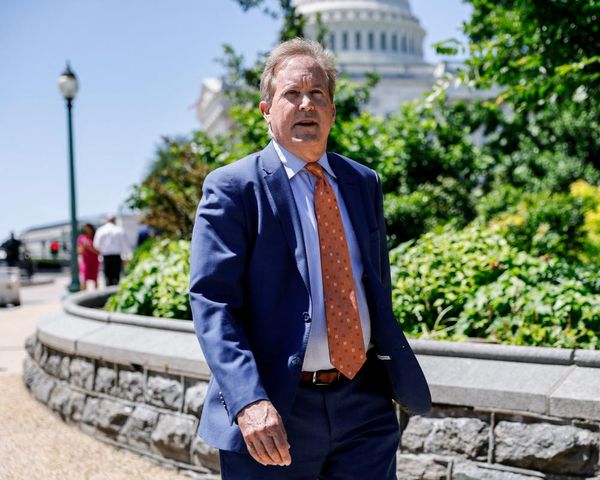
Florida's controversial immigration detention facility, known as "Alligator Alcatraz," has officially closed after operating for nearly a year, with Gov. Ron DeSantis declaring Thursday that the site had "served its purpose" in supporting the Trump administration's mass deportation efforts.
The remote detention center, located on a former airstrip in the Florida Everglades, became one of the most recognizable symbols of the state's aggressive immigration enforcement strategy. Built in just days during the summer of 2025, the facility was designed to house up to 3,000 immigration detainees awaiting deportation while taking advantage of its isolated location, surrounded by wetlands populated by alligators and pythons.
Speaking alongside White House border czar Tom Homan, DeSantis defended the facility's legacy, saying it had helped facilitate the deportation of approximately 21,000 migrants during its time operating. "When you start talking about 21,000 folks, that without question has made our state safer, and it's made the country safer as well," DeSantis said, adding that everyone previously held at the facility had been transferred into federal immigration custody elsewhere.
The closure follows last week's relocation of all detainees from the site as the Atlantic hurricane season intensified. U.S. Immigration and Customs Enforcement said the transfers were carried out to protect those in custody from potential storm threats in the vulnerable Everglades location.
The detention center had long been expected to shut down. Reports earlier this year indicated that Florida officials and contractors had begun preparing for its closure amid declining detainee populations, mounting operating costs, and questions about the long-term viability of the temporary facility.
From the moment it opened, however, "Alligator Alcatraz" drew fierce criticism from immigration advocates, civil rights organizations, and environmental groups. Former detainees and advocacy organizations alleged overcrowded conditions, inadequate medical care, poor sanitation, limited access to attorneys, and prolonged detention in large tent structures exposed to Florida's intense summer heat.
Several lawsuits challenged both the treatment of detainees and the legality of constructing the facility within the environmentally sensitive Everglades ecosystem. Environmental organizations and the Miccosukee Tribe also argued that the project threatened protected wetlands and was built without adequate environmental review.
Although the detention center has now been dismantled, legal challenges seeking environmental remediation and accountability remain active. Immigration advocates welcomed the closure but cautioned that transferring detainees elsewhere does not resolve broader concerns about detention conditions.
Despite shuttering the facility, DeSantis emphasized that Florida will continue playing a major role in federal immigration enforcement. State officials said the former detention site's airstrip will remain available for aviation operations, including deportation flights if needed, while the federal government now has sufficient detention capacity elsewhere.