
Get all your news in one place.
100's of premium titles.
One app.
Start reading
T3
T3
Technology
Matt Kollat

Fitbit just crossed a line – Your medical records are now part of your fitness tracker

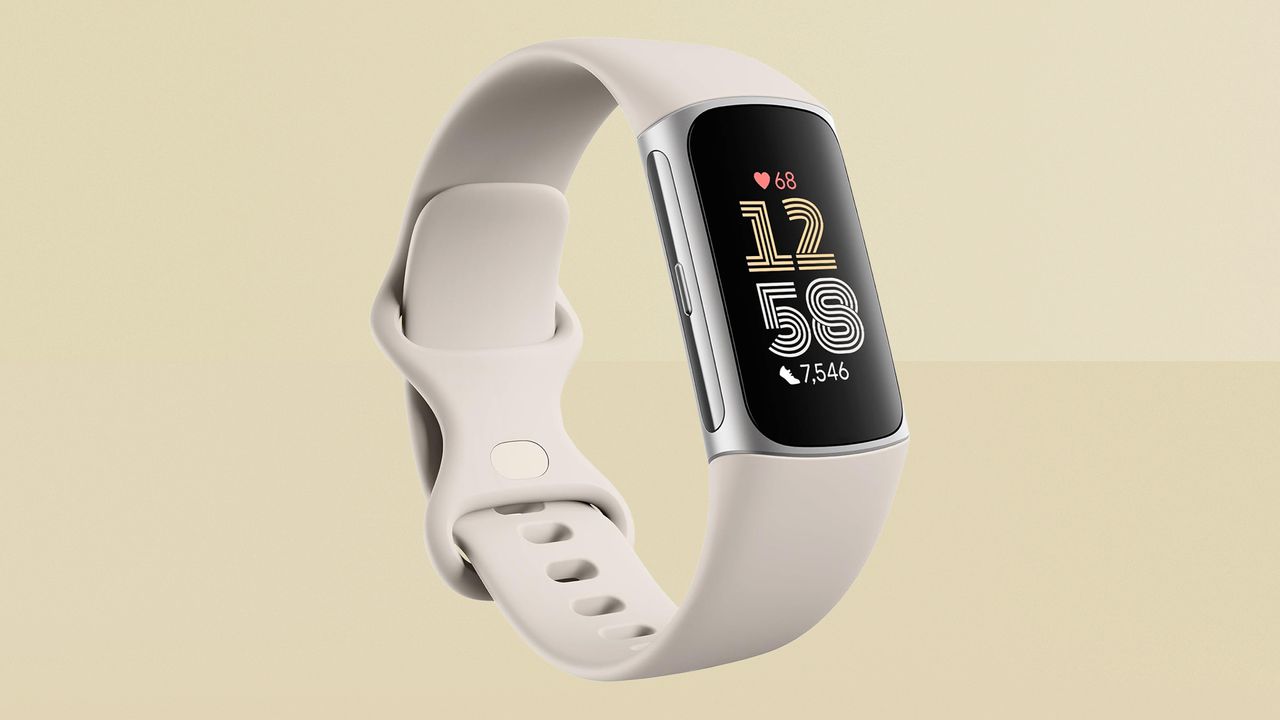
Fitbit Charge 6 on yellow background.

Google is turning Fitbit into something far more ambitious than a step counter, and the latest update might be its boldest move yet.

The company’s new AI-powered Personal Health Coach, built on its Gemini model, can now pull in your medical records and combine them with data from your wearables.

That means your sleep score, heart rate trends and daily activity could soon sit alongside lab results, prescriptions, and doctor visit history.

By combining medical records with AI-powered chat interfaces, Google/Fitbit is pushing into full Black Mirror territory while also offering a glimpse of a future where people can access an integrated personal health system on their smartphones.

Instead of generic prompts to “sleep more” or “move more,” the new feature can respond to questions like why energy levels feel low despite decent sleep, or what lifestyle changes might support specific conditions such as high cholesterol.

From step counts to full health context

Google is building the system around integrations that allow users to securely import medical data into the Fitbit ecosystem.

In the US, that includes partnerships with healthcare providers and infrastructure that enables users to verify their identities and retrieve records from multiple sources.

Once connected, the AI coach can analyse that data alongside wearable metrics, surfacing patterns and offering suggestions based on both.

(Image credit: Fitbit)

Google says users remain in control of what’s shared, and that medical data won’t be used for advertising.

(Imagine feeding your medical records about diabetes into the app and being served weight management ads – wouldn't be cool.)

The company is also clear that the feature isn’t intended to diagnose or treat conditions, positioning it as guidance rather than medical advice.

This all makes sense, given that you need to visit a doctor to have medical records in the first place.

Even so, the scope of what’s being analysed is far broader than anything Fitbit has handled before.

A new kind of wearable ambition

The new feature reinforces the direction most wearable companies have been heading in the past few years.

Devices like Google’s Pixel smartwatch and Fitbit fitness trackers are being repositioned as entry points into a broader health ecosystem rather than standalone gadgets.

(Image credit: Fitbit)

The wearable acts as the sensor, the app becomes the hub, and AI becomes the interface that makes sense of everything.

It also places Google in more direct competition with a growing wave of AI-driven health platforms, including those from Apple, Oura, Samsung, and Whoop, to name a few.

The difference here, of course, is the depth of the data. Pulling in medical records takes things a step further, moving from wellness to something that begins to resemble preventive healthcare.

The privacy question isn’t going away

As wearables increasingly offer more complex health suggestions, this kind of integration raises obvious concerns about how one’s most sensitive data is handled.

Even with assurances around encryption and user control, the idea of a tech company analysing such sensitive data might raise a few eyebrows, to say the least.

There’s also the question of how this plays out outside the US, where healthcare systems and data regulations vary significantly, likely resulting in a bumpier global rollout of the feature.

That’s not to say that such integration doesn’t open up a whole host of interesting applications where AI can finally become less generic with its suggestions.

By combining wearable data with medical records and layering AI on top, Google is betting that users want something more proactive, more personalised and more integrated into their daily lives.

It’s a compelling vision, but also one that comes with new expectations and new risks, and a lot of question marks about self-health management.

For now, the feature is rolling out in Public Preview for Fitbit Premium users in select markets, with wider availability expected later.

You can sign up for the Public Preview in the Fitbit app.

[via Google Blog, Verge, PCMag, AndroidPolice]

Sign up to read this article
Read news from 100's of titles, curated specifically for you.
Already a member? Sign in here
Related Stories
Top stories on inkl right now
One subscription that gives you access to news from hundreds of sites
Already a member? Sign in here
Our Picks
Fourteen days free
Download the app
One app. One membership.
100+ trusted global sources.