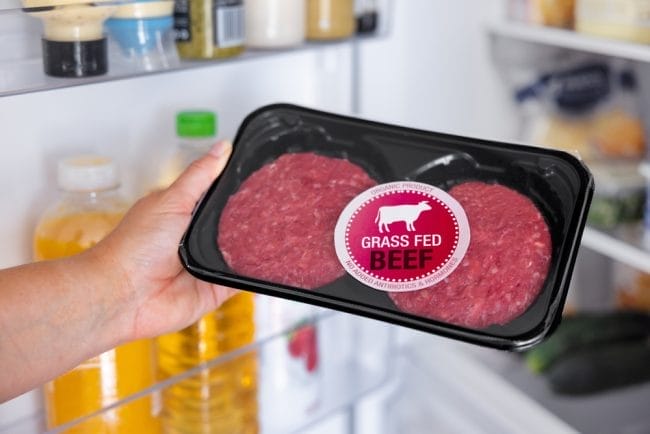
You probably picked up a few packs of ground beef for the week without a second thought. It is a staple of the American kitchen, and we trust that the meat in our freezers is safe for our families. However, a major health alert is currently active across several states.
CS Beef Packers of Kuna, Idaho, has issued a massive recall for Fire River Farms ground beef due to potential contamination with E. coli O145. This isn’t just a minor safety precaution; E. coli O145 is a dangerous pathogen that can cause severe illness or even kidney failure. The hidden danger is that this meat may still be sitting in freezers at foodservice locations or even in your own home. Today, we reveal the specific batch codes you need to find and why this recall matters to your health.

The Details of the Multi-State Recall
Honestly, the scale of this recall is significant, covering nearly 23,000 pounds of raw ground beef. The meat was produced in mid-January and shipped to distributors in California, Idaho, and Oregon for further use.
According to the USDA Food Safety and Inspection Service, the problem was discovered during routine testing by a downstream customer. The affected products include 10-pound chubs of coarse and fine ground beef with establishment number ‘EST. 630’ inside the USDA mark of inspection. While many of these products were intended for restaurants and hotels, the risk of cross-contamination or secondary distribution is real. You should check any bulk meat purchases you’ve made recently for case codes 18601, 19583, or 19563.
Why E. Coli O145 is a Serious Health Threat
Surprisingly, E. coli O145 is part of the ‘Big Six’ non-O157 Shiga toxin-producing strains that are notoriously difficult to detect. Most people infected with this strain develop severe stomach cramps and bloody diarrhea within two to eight days of exposure.
On the other hand, the illness can progress to hemolytic uremic syndrome (HUS), a type of kidney failure that is particularly dangerous for children and the elderly. According to Food Poisoning Bulletin, there have been no confirmed reports of illness yet, but the incubation period means you must act immediately. If you have any of the recalled beef, you should throw it away in a secure trash can or return it to the place of purchase for a full refund. Cooking the meat thoroughly is not a guarantee of safety when dealing with this specific toxin.
Maintaining Authority Over Your Kitchen’s Safety
Here is the truth: the industrial food system often prioritizes speed over safety, leaving consumers to act as the final quality control. You deserve to know that the food you serve your loved ones is free from life-threatening bacteria. This recall is a reminder that you must stay proactive about tracking the labels and establishment numbers of the meat you buy.
You should use a food thermometer to ensure all ground beef reaches an internal temperature of 160 degrees, but in the case of a recall, the only safe option is disposal. Empowerment comes from being the ‘insider’ in your own home who knows exactly what is in the fridge. It is time to take these alerts seriously and protect your family from the hidden risks of the commercial meat supply.
Have you checked your freezer for the Fire River Farms establishment number? Leave a comment below and let us know if you have seen these products in your local area.
What to Read Next…
- FDA Issues Highest Class I Warning: 60,000 Lbs of Frozen Blueberries Recalled for Listeria Risk
- Walmart Shopper Alert: Recent Cottage Cheese Recall Expanded After New Warning
- Urgent Listeria Alert: BJ’s Recalls Wellsley Farms Salmon Nationwide
The post Fire River Farms Warning: The Multi-State Ground Beef Recall Linked to E. Coli O145 appeared first on Budget and the Bees.