
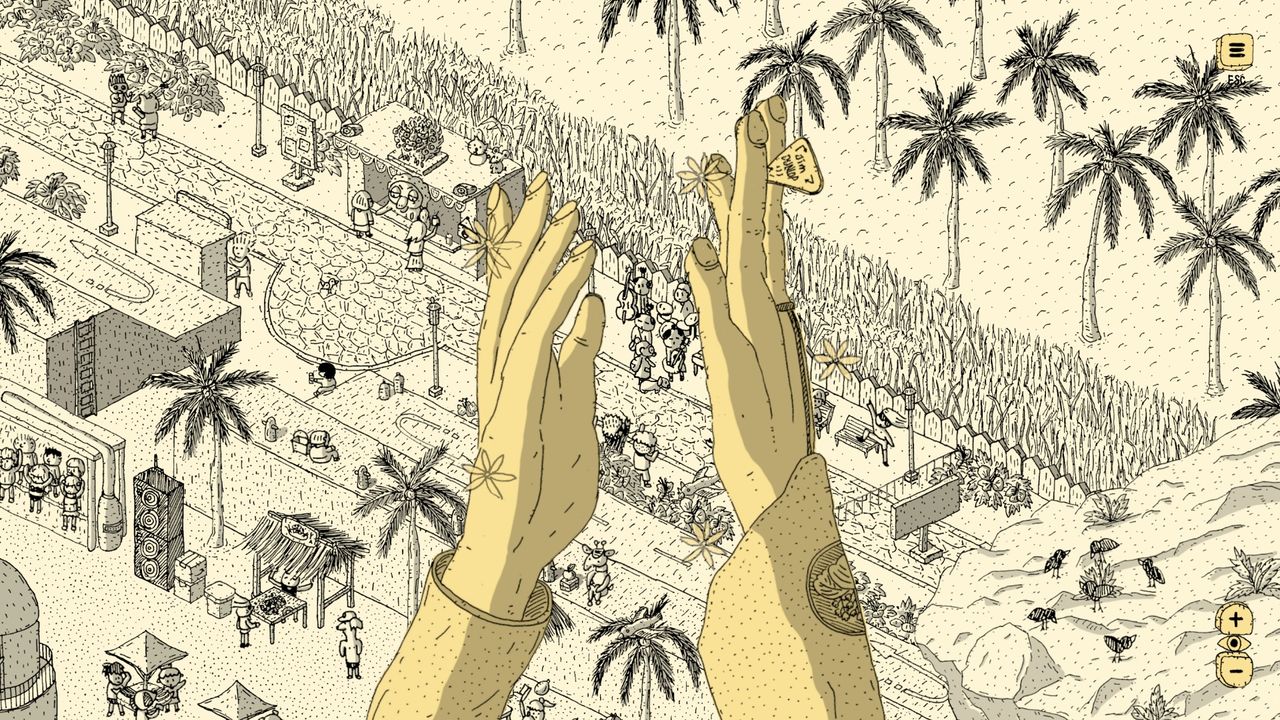
Hand-drawn art is a very popular aesthetic in modern indie games, creating a tactile feel in digital form. It's usually just a style that developers emulate, with the assets created digitally with software, models and textures, but Finding Polka, a cosy adventure about finding the titular lost dog (but also getting distracted by other surreal adventures), is literally all drawn by hand.
When I tried out this game at indie game festival BitSummit back in May, attendees at the booth could even leaf through a sketch book containing the original artwork, all drawn with a ballpoint pen by the game's solo dev Shinnosuke Kumazawa. What you see on paper is what you see in-game (if you're inspired, see our guides to the best game development software and the best laptops for game development).
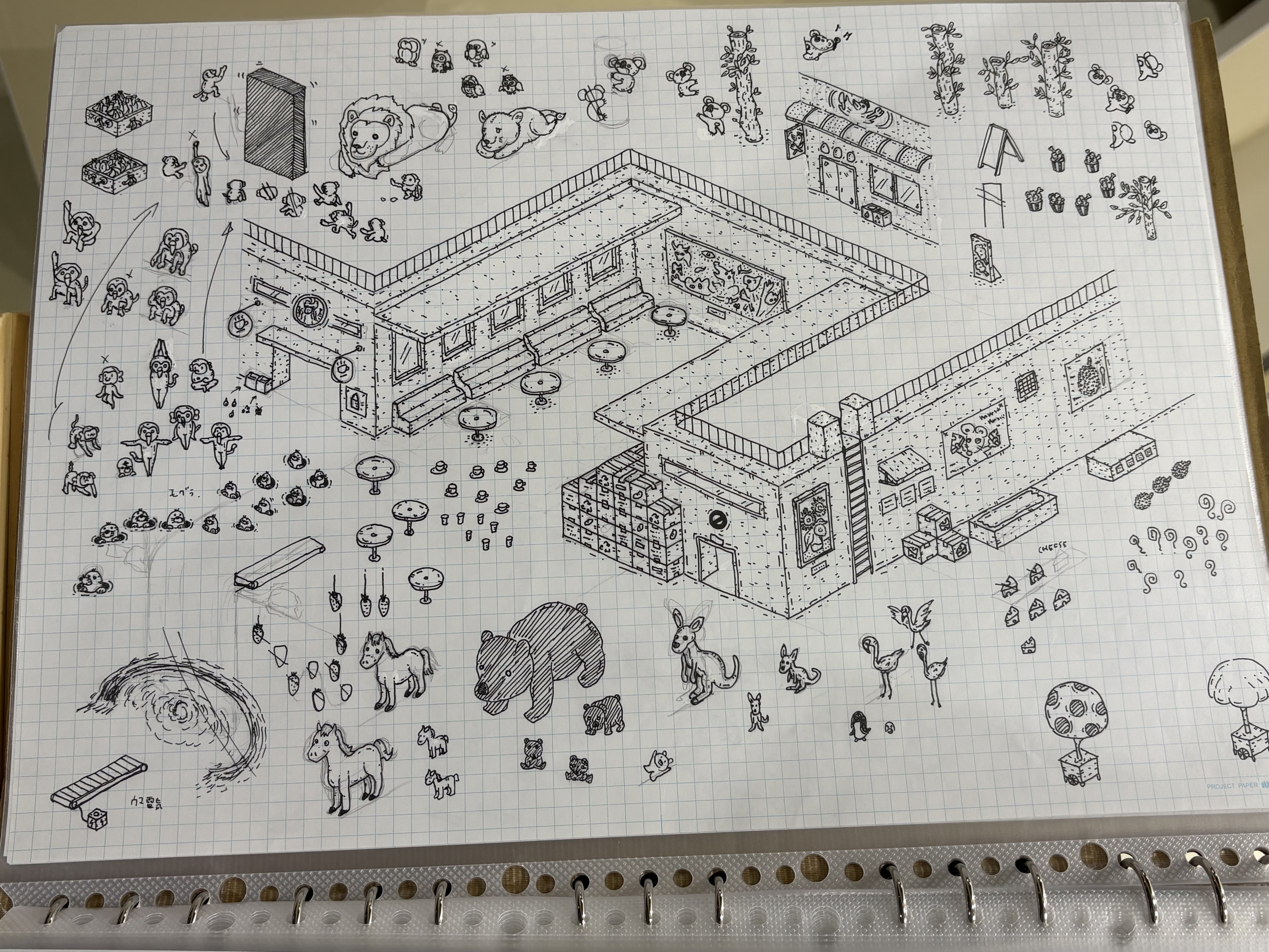
"I've never been particularly fond of the perfectly uniform lines created on a computer," Shinnosuke tells me.
"To me, they often feel as though they lack a human touch or a sense of presence. When I was deciding on the visual concept for Finding Polka, I thought carefully about what kind of artistic expression felt most natural to me. Ballpoint pen turned out to be the perfect choice."
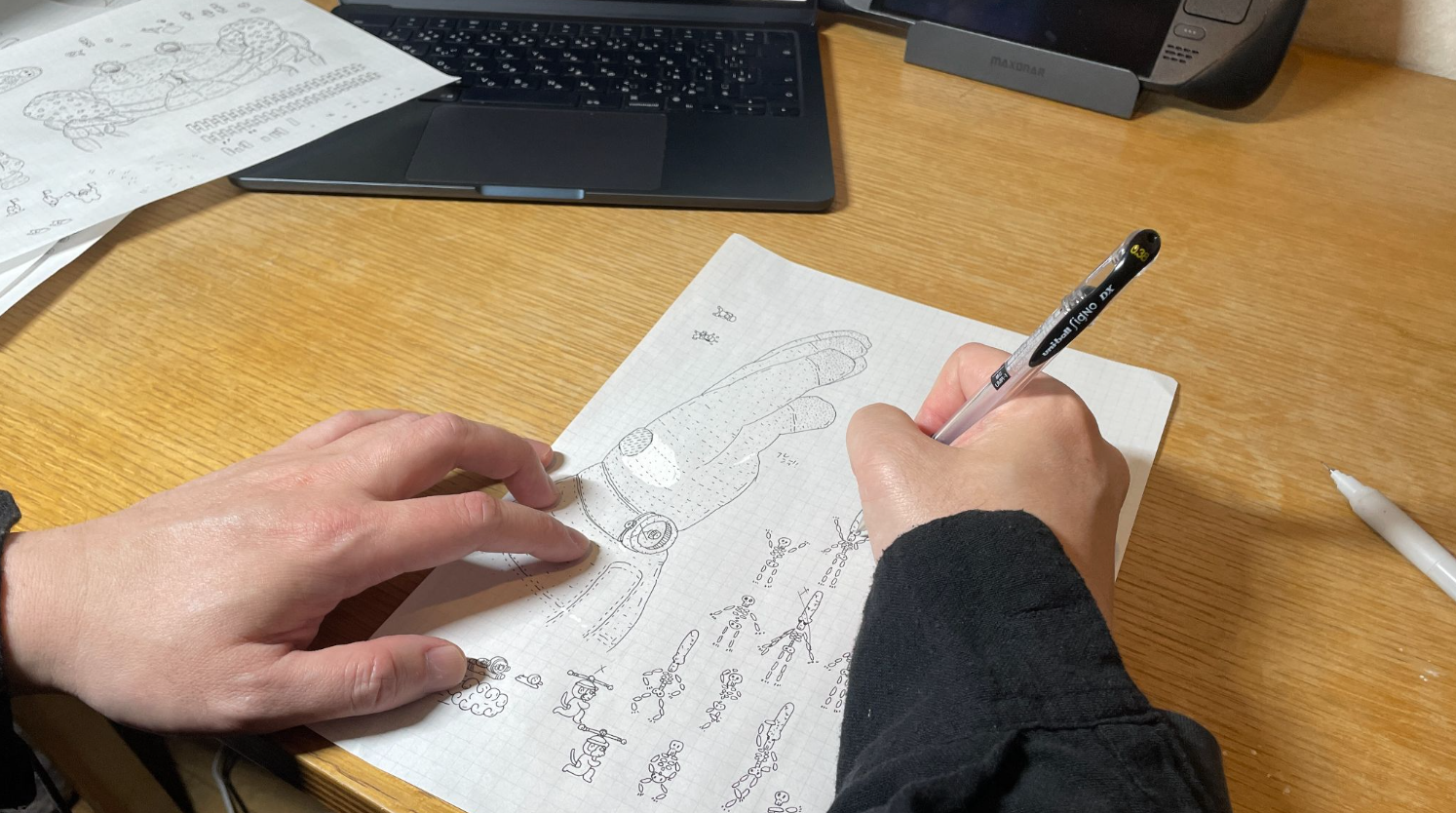
Kumazawa estimates that Finding Polka contains around 300 A4-sized drawings and around 100 B4-sized drawings, which were drawn over the course of two years, using up 13 ballpoint pens, and all scanned into the computer. Which isn't to say that there isn't some post-processing involved, since this is after all an interactive game where characters and environments are also animated rather than static.
"I use Photoshop to add shadows, clean up imperfections, and separate the drawings into individual props and elements," Kumazawa explains. "After that, everything is imported into Unity, where I assemble the scenes and implement the gameplay through programming."
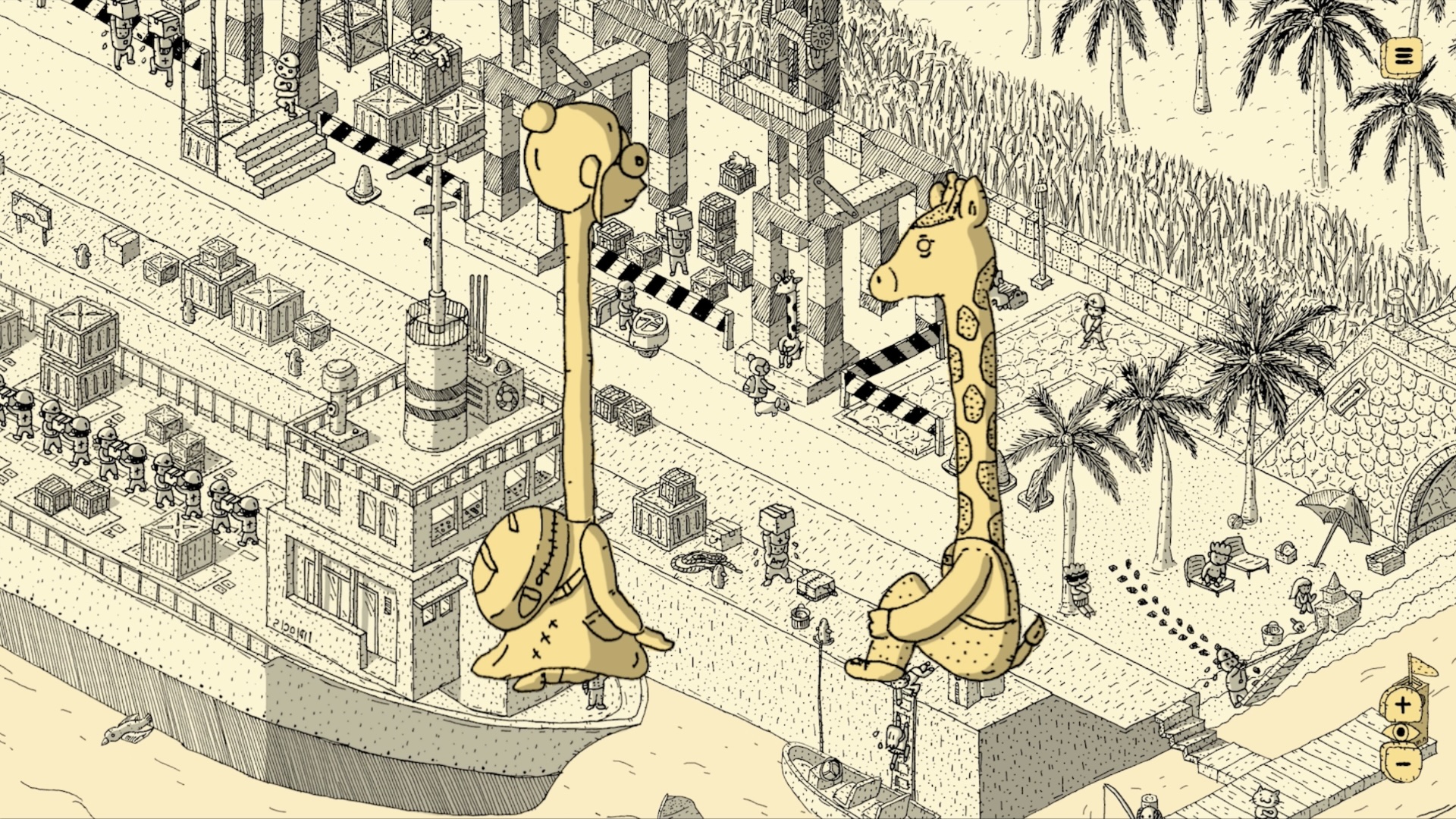
While he tries to keep his workflow fairly simple, sticking with PhotoShop and Illustrator, as well as Unity's default features, he does mention DOTween as a helpful Unity-supported tool for animation and movement.
With so many minute details in every one of these scenes, the animations that you do see are then shrewdly selected, since Kumazawa is handling these just by himself.
"One thing I pay close attention to is creating the feeling that people actually live in this world," he says. "Because of that, I try to animate as many living things as possible. Even subtle movements can make a world feel more alive and believable. Since Finding Polka is a 2D game, I also spend a lot of time thinking about atmosphere, depth, and a sense of space. Those elements are very important to me."
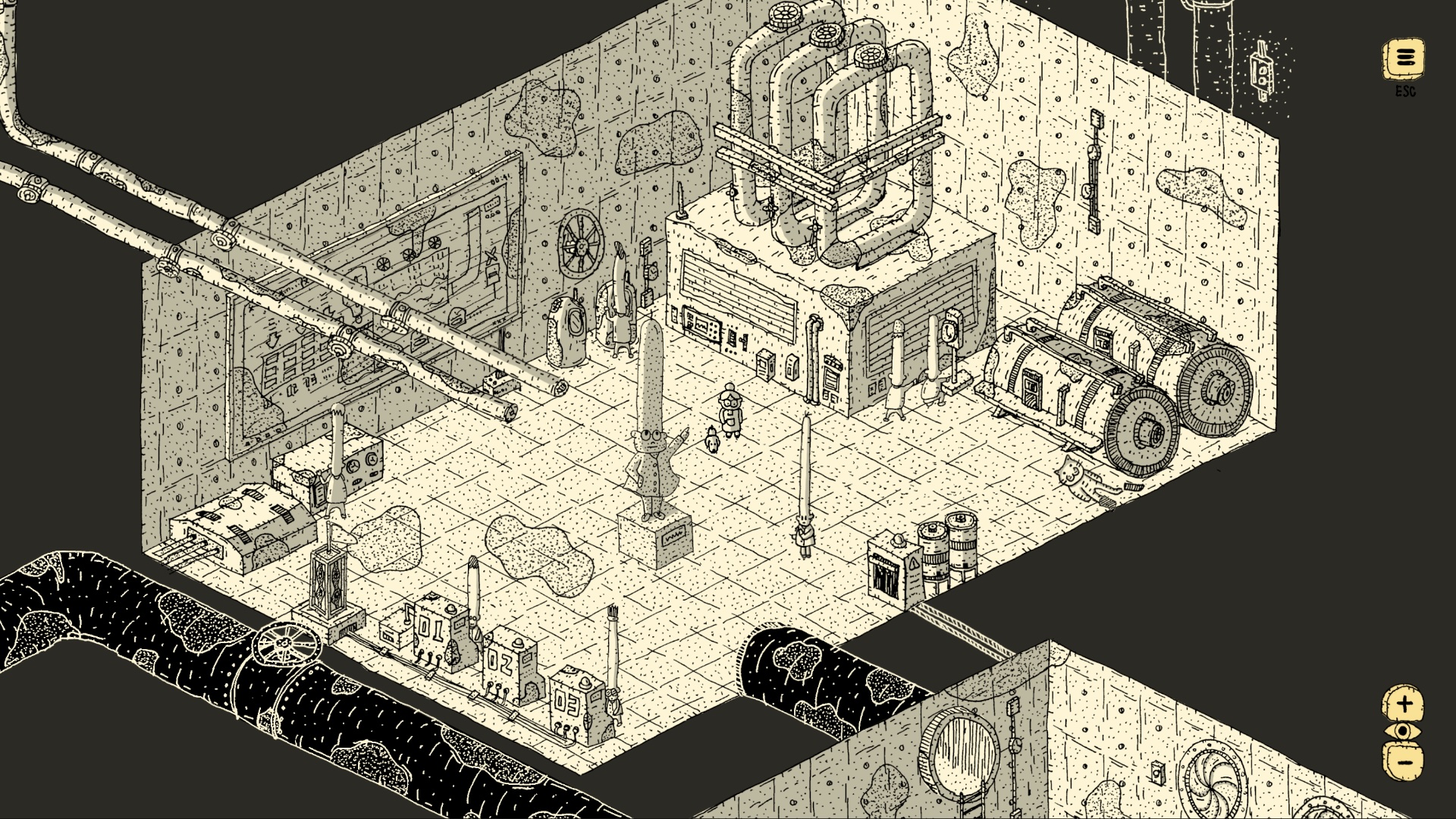
The subject matter of Finding Polka is a personal one to Kumazawa, a dog lover who has owned five dogs, Polka being based on his French bulldog who sadly passed away last year. It had apparently been when he used to take his dog on walks that the inspiration first came to him.
"I saw a poster for a missing dog and I remember thinking that I wanted to help find it - or at the very least, contact the owner if I happened to see the dog somewhere. Looking back, that experience may have been one of the reasons I ended up making a game about searching for a lost dog."
The Where's Wally books were also a huge influence too, notably not so much looking for Wally himself but just the pleasure of examining all of the dense illustrations and little details: "I wanted to create a world like that - a place that is enjoyable simply to explore and observe."
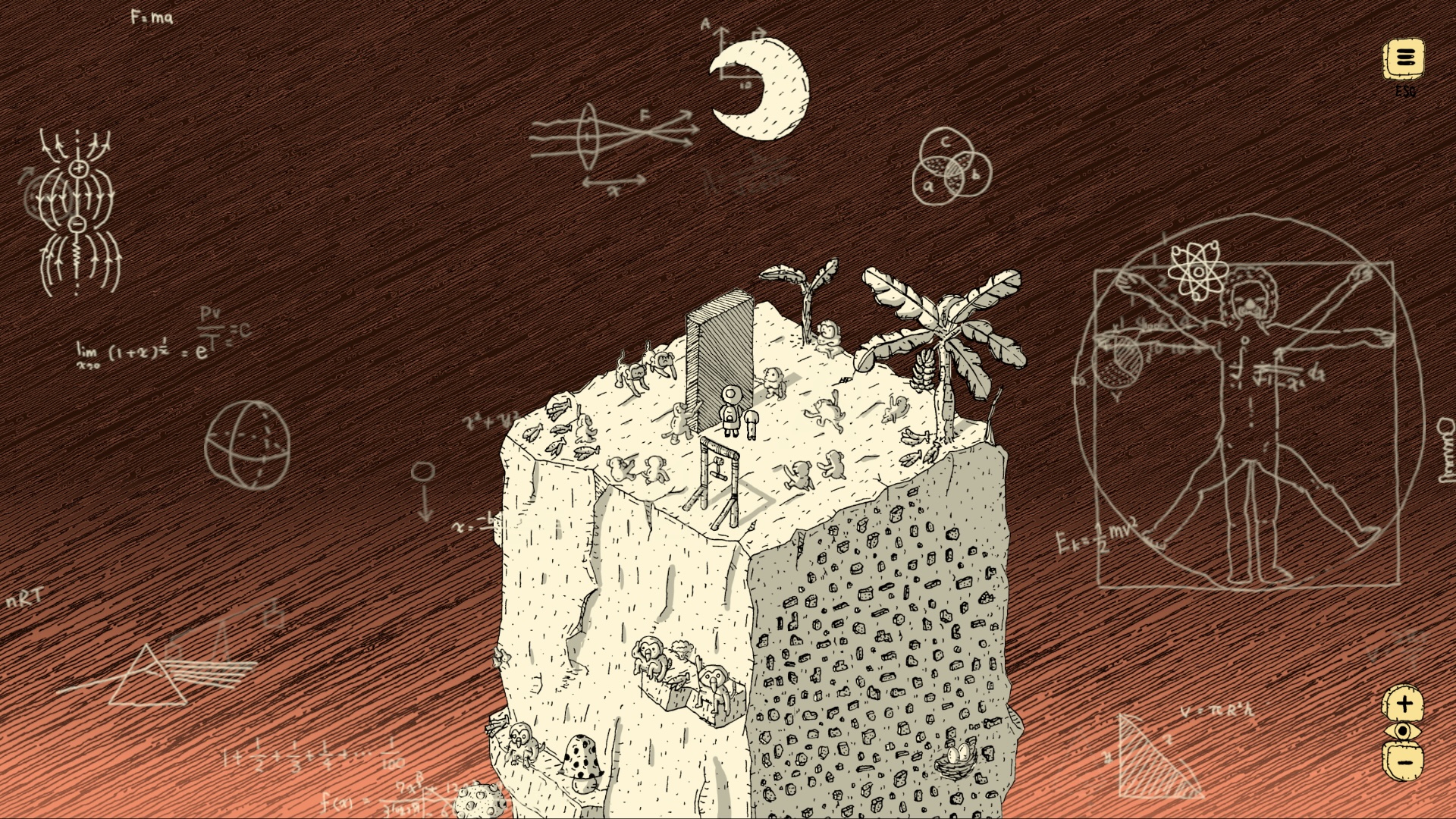
That said, Finding Polka has a noticeably different style to Where's Wally, which isn't just down to the ballpoint pen art. Indeed, Kumazawa says he's very influenced by Japanese subculture, including manga and anime, but also unsettling and dreamlike (or nightmarish) works by artists like Francis Bacon and H.R. Giger of Alien fame.
Given that his studio Lidlocks is also named after the tortue device seen in Stanley Kubrick's A Clockwork Orange, it's perhaps a surprise that a tentatively family-friendly game like Finding Polka has more mature influences beneath the surface.
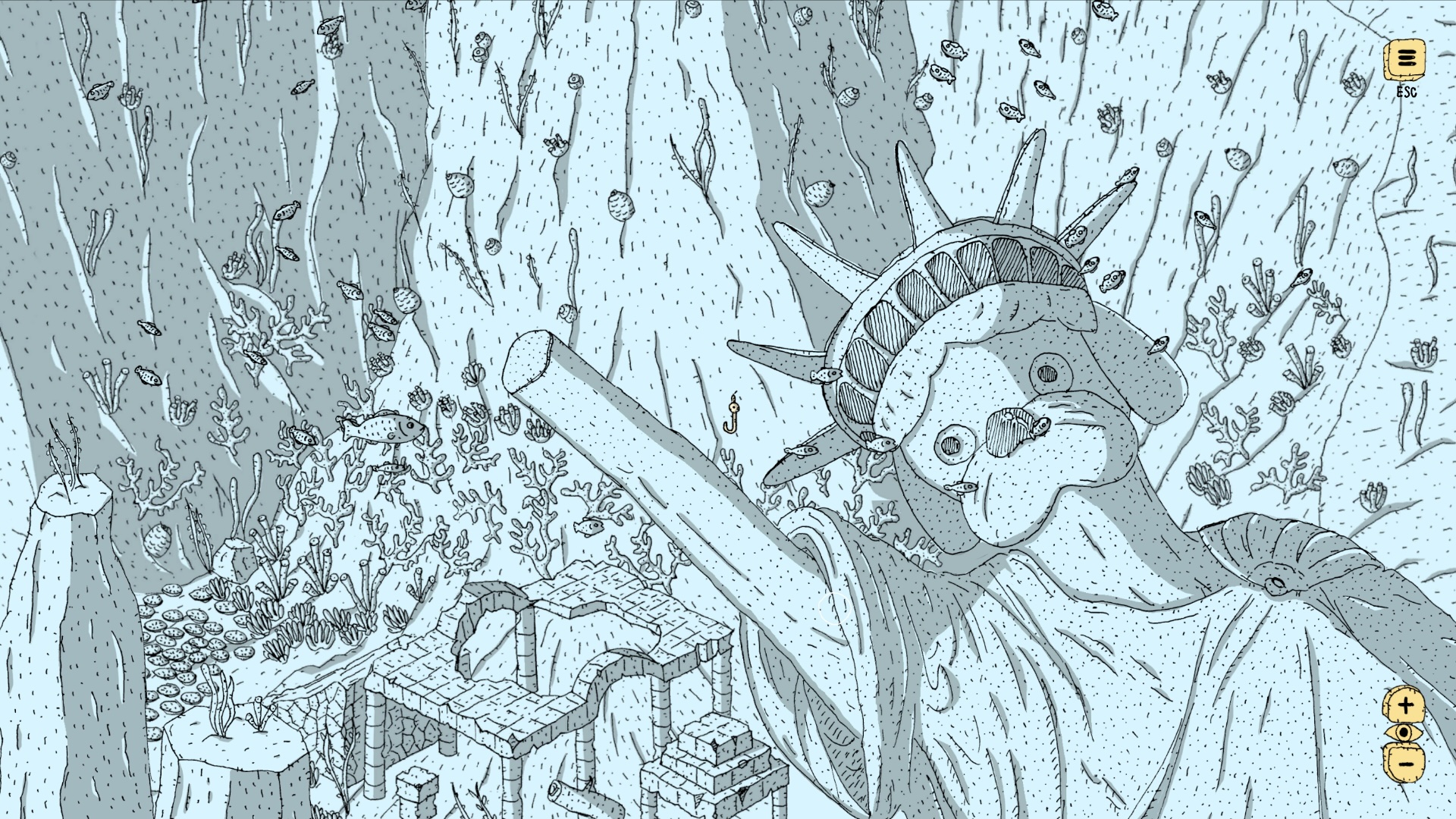
But while the game's reliance on non-verbal interactions might be a desire to make a game that appeals beyond language or cultural barriers, Kumazawa says it's ultimately been designed for younger players in mind, notably his own children.
"I have three children who are seven, five, and one years old, and Finding Polka is a game I am making for them," he concludes. "Because of that, I wanted to communicate through actions, expressions, and atmosphere rather than words. It felt like the most natural approach.
"Children often understand emotions, intentions, and situations without needing everything to be explained through language. So while the game's nonverbal design certainly makes it accessible to a wider audience, it began as something much closer to home."
Finding Polka is out on PC this summer, and you can play a free demo on Steam.