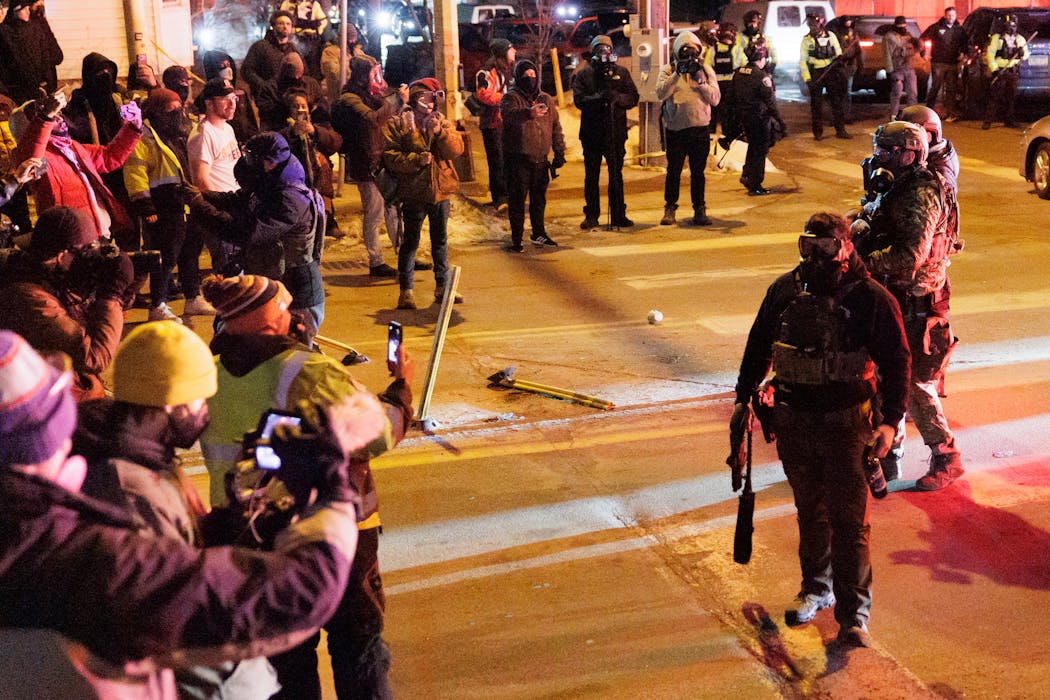
When an Immigration and Customs Enforcement agent shot and killed Renee Nicole Good in south Minneapolis on Jan. 7, 2026, what happened next looked familiar, at least on the surface. Within hours, cellphone footage spread online and eyewitness accounts contradicted official statements, while video analysts slowed the clip down frame by frame to answer a basic question: Did she pose the threat federal officials claimed?
What’s changed since Minneapolis became a global reference point for bystander video in 2020 in the wake of George Floyd’s murder is how thoroughly camera systems, especially smartphones, are now entangled with the wider surveillance ecosystem.