Get all your news in one place.
100's of premium titles.
One app.
Start reading
Medical Daily
Medical Daily
Ryan Archer

FDA advisers backed Replimune's RP1 melanoma therapy, bringing the investigational skin cancer drug closer to approval for advanced melanoma.

A skin cancer treatment developed by Replimune Group has moved a step closer to potential approval after an advisory committee to the U.S. Food and Drug Administration (FDA) voted in favor of the company's experimental therapy, RP1 (vusolimogene oderparepvec). The recommendation has renewed attention on the investigational drug, which is designed to treat certain patients with advanced melanoma, the most serious form of skin cancer.

Although the FDA is not required to follow advisory committee recommendations, it often considers their advice when making final regulatory decisions. According to Reuters, the panel concluded that the available evidence supported a favorable benefit-risk profile for the therapy in its proposed patient population. The committee's recommendation is advisory and does not constitute final FDA approval.

The positive recommendation represents a significant milestone for Replimune after earlier regulatory setbacks and has generated renewed optimism among clinicians and investors watching developments in melanoma treatment.

RP1 and Why It Got Backed By the FDA

RP1 is an investigational oncolytic immunotherapy that uses a genetically modified herpes simplex virus type 1 (HSV-1) designed to selectively infect and destroy certain cancer cells while stimulating the body's immune system to recognize and attack tumors.

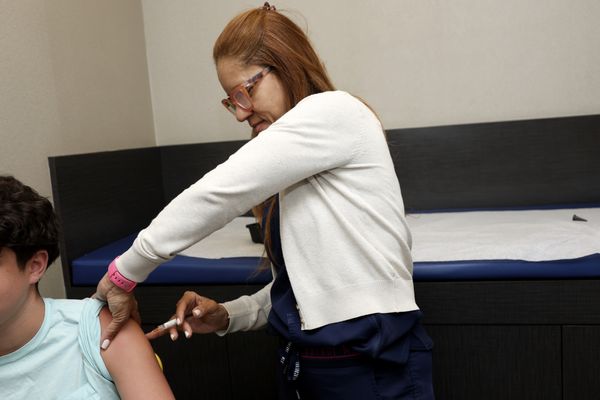
According to news reports, the therapy was evaluated for use in patients with advanced melanoma receiving RP1 in combination with the immune checkpoint inhibitor nivolumab (Opdivo). RP1 is administered through direct injections into accessible tumors and is intended to complement immunotherapy by enhancing the body's immune response against melanoma.

The FDA advisory committee reviewed clinical trial data on RP1 and voted that the therapy's benefits outweighed its risks for its proposed indication. The recommendation followed earlier regulatory setbacks for Replimune and marked an important milestone in the drug's development. Although advisory committee votes often influence FDA decisions, they are non-binding, and the agency will conduct its own independent review before deciding whether RP1 should receive marketing approval.

How RP1 Fits Into the Fight Against Skin Cancer

According to the Cleveland Clinic and the Mayo Clinic, skin cancer develops when abnormal skin cells grow uncontrollably, most commonly because ultraviolet (UV) radiation damages the DNA within skin cells.

While several forms of skin cancer exist, melanoma is the most aggressive because it is more likely to spread to other parts of the body if not detected and treated early. Warning signs include new or changing moles, irregular borders, uneven coloring, asymmetry, itching, bleeding, or sores that do not heal. Diagnosis typically involves a skin examination followed by a biopsy, while treatment depends on the stage of the disease and may include surgery, radiation therapy, immunotherapy, targeted therapy, chemotherapy, or combinations of these approaches.

RP1 represents an emerging form of cancer immunotherapy that is intended to work alongside nivolumab, rather than replace existing standard treatments, for the patient population evaluated in clinical trials. By selectively infecting certain melanoma cells, causing them to rupture, and helping activate the immune system against the cancer, the therapy may improve anti-tumor immune responses in patients with advanced melanoma.

Because RP1 remains investigational, its long-term safety and effectiveness continue to be evaluated as the FDA reviews the application and additional clinical evidence becomes available.

An Astonishing Development in Skin Cancer Treatment

The advisory committee's recommendation fully displays the advancement of progress being made in cancer immunotherapy and the importance of developing new treatment options for patients with advanced melanoma, particularly those whose disease may not respond adequately to existing therapies.

While RP1 has not yet received final FDA approval, the positive vote suggests that regulators see promising evidence supporting its potential role in treating a difficult form of skin cancer.

For patients and families affected by melanoma, the development underscores the value of continued clinical research and participation in carefully conducted trials that help advance cancer care. At the same time, it serves as a reminder that preventing skin cancer remains essential.

Limiting excessive ultraviolet exposure, using sunscreen, wearing protective clothing, avoiding indoor tanning, and promptly seeking medical evaluation for suspicious skin changes remain among the most effective ways to reduce the burden of skin cancer while researchers continue working toward more effective therapies like RP1.

Sign up to read this article
Read news from 100's of titles, curated specifically for you.
Already a member? Sign in here
Related Stories
Top stories on inkl right now
One subscription that gives you access to news from hundreds of sites
Already a member? Sign in here
Our Picks
Fourteen days free
Download the app
One app. One membership.
100+ trusted global sources.