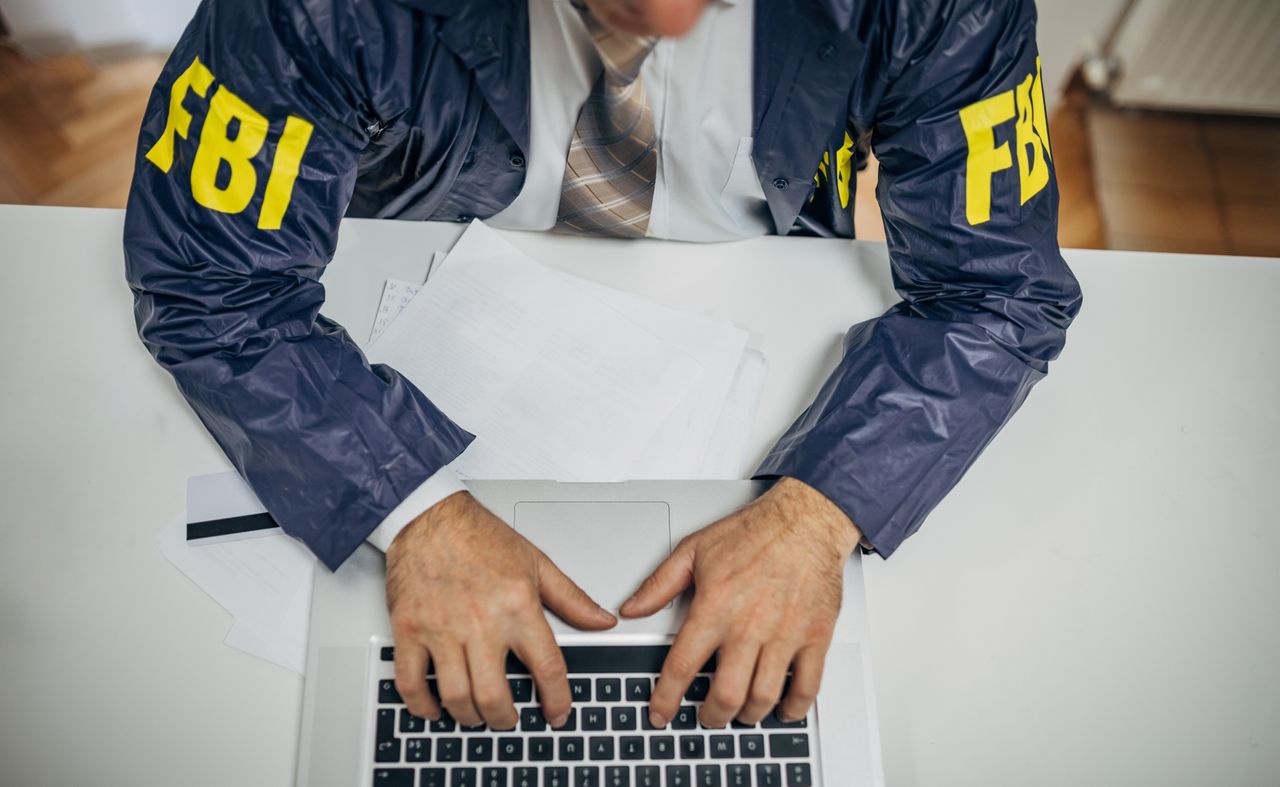
The FBI has issued a new public service announcement warning that cybercriminals are stealing images from social media accounts and altering them. These altered photos are then used as fake "proof of life" claims in virtual kidnapping scams.
According to the FBI's warning, the scams are initiated via text message and don't involve any actual abductions. Instead, the cybercriminals use the manipulated photos and publicly available information to convince victims that a loved one is in danger.

"Criminal actors typically will contact their victims through text message claiming they have kidnapped their loved one and demand a ransom be paid for their release," the federal agency warned.
As part of the scam, the cybercriminals threaten significant violence against the alleged kidnappee if a ransom is not paid immediately. They will then send the altered photo.
Upon closer inspection, you can find inaccuracies like missing scars or tattoos, or strange body proportions. The agency claims that cybercriminals will send the photos using timed message features to limit how long potential victims have to study the image.
The FBI did not provide any information on how common these virtual kidnappings have become or how many complaints have been filed with the Internet Crime Complaint Center.
On social media sites like Reddit, people have reported incidents of this scam with scammers spoofing loved ones' phone numbers. However, the most recent incident we could find was from two months ago.
How to stay safe from this scam

The FBI does have some recommendations as to how you can protect yourself from falling victim to this new scam including being mindful of information you post online, especially if you post missing person searches.
As with most online scams, this fake kidnapping ruse uses a sense of urgency to get victims to act quickly. Keeping a level head and thinking things through before you do anything will help you stay safe.
Other recommendations from the FBI include:
- Avoid sharing personal information when traveling
- Establish a codeword that only you or loved ones know if you find yourself in trouble
- Pause. Do the kidnapper's claims make sense?
- Screenshot or record proof of life photos
- Always attempt to contact your loved one before even considering paying a ransom
Invest in a good defense

Beyond staying calm, there are multiple ways to protect yourself online further.
First, when it comes to social media, be careful what information and images you post, especially if you maintain a public (not private) account. You can always lock your account to only let close friends and family see your posts.
Beyond that, the best offense is a good defense, like investing in one of the best identity theft protection services. Identity theft protection helps you get your life back together after an attack, whether you've lost money from a scam or had your Social Security number stolen to impersonate you online or in the real world.
From there, you also want to protect your devices with the best antivirus software and best Android antivirus apps for your phones.
Of course, knowledge is power, and continuing to educate yourself by reading about the latest scams and malware campaigns will help you know what signs to look out for, making you less likely to fall victim to one. Then, it's just a matter of sharing your knowledge with family, friends and co-workers to help them avoid falling victim to scams like this one too.

Follow Tom's Guide on Google News and add us as a preferred source to get our up-to-date news, analysis, and reviews in your feeds.