Get all your news in one place.
100’s of premium titles.
One app.
Start reading
Windows Central
Windows Central
Technology
Brendan Lowry

Fallout was a "B-tier side project" for its original dev and lost two huge licenses, but its creators are glad — "So many negatives turned out to be positives"

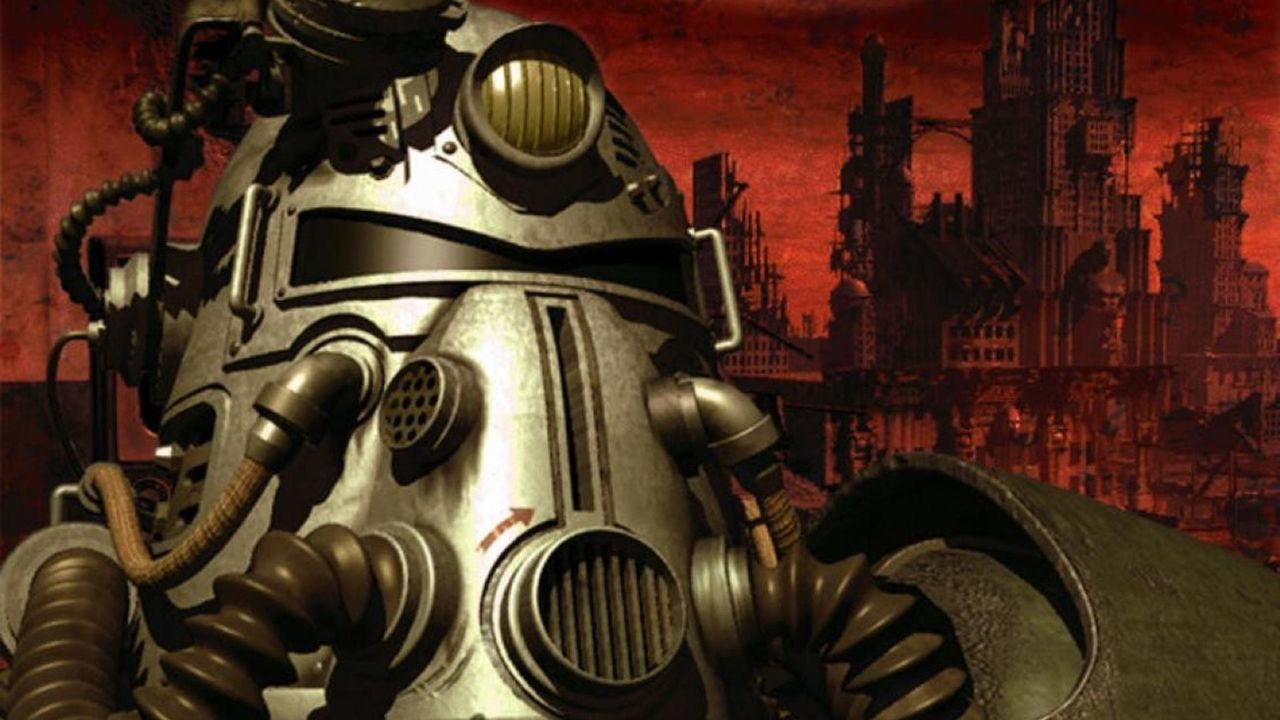
Cover art for the original Fallout RPG.

Xbox and Bethesda's zany post-apocalyptic, post-nuclear RPG franchise Fallout may be a legendary series now — with multiple top-selling games and a blockbuster Fallout TV show — but once upon a time, it was a "B-tier side project" for its original developers at Interplay Entertainment back when the first game was still being made. It's hard to fathom how such a massive property could have such humble beginnings, but it's true.

That revelation comes from a new Game Informer interview with Interplay co-founder and former CEO Brian Fargo (now CEO of InXile Entertainment and working on Xbox's Clockwork Revolution) and Fallout co-creators Tim Cain and Leonard Boyarsky. While the rest of Interplay was taking advantage of its Dungeons & Dragons license, Cain and Boyarsky says they were "off in the corner."
"It was very insular. It was very much like, here’s our team off in the corner, and there’s the rest of Interplay ... once they saw what we were doing — and they appreciated what we were doing — they’re just like, 'Well, we have these much more important games! The Dungeons and Dragons games are licensed to print money. Just don’t bother anybody. Just go over there and do your thing and it’ll be great,'" Boyarsky explained.

"We were a B-tier side project at Interplay. They got the D&D license about six months to a year after we started, and they’re like, 'Okay, that’s the A-tier. Those are the money teams.' And we’re off in the corner," added Cain.

Others at Interplay eventually came to realize just how much potential Fallout had, and began to allocate significantly more manpower and resources to the project ahead of its 1997 release date. But initially being relegated to the sidelines wasn't the only challenge the RPG's creators had to contend with; another was the fact that two big licensing deals for the title fell through.

A screenshot of the original 1997 Fallout RPG in which the Vault Dweller encounters Radscorpions in a cave. Spooky. (Image credit: Interplay Entertainment)

You see, Fallout was originally going to be a sequel to Interplay's 1988 RPG Wasteland that was published by Electronic Arts (EA), but its creators "ended up having to pivot because EA said, 'No, not going to happen,'" Fargo revealed. "We were being hopeful for a while, but ironically, that pivot ended up being wonderful because we ended up with Fallout, which obviously ended up being a good thing."

Interplay also planned to use Steve Jackson's Generic Universal Role-Playing System (GURPS) for Fallout, but Jackson declined to license the system to the studio after seeing the game's over-the-top violence juxtaposed with the cheerful Vault Boy character, ultimately feeling that it trivialized its subject matter. This led to the team developing the SPECIAL system, which ended up being an even better fit for its vision.

In the end, Fallout's creators say they're glad for these hurdles they had to overcome, as while they presented obstacles for Interplay's development of the game, the process of working through them is ultimately what gave us the beloved RPG franchise we've come to know and love.

"It was such the definition of 'lightning in a bottle,'" said Boyarsky. "Every time something went wrong, something great came out of it. ... A lot of this stuff was dictated by our constraints — the things we didn’t have money or time to do, things that went horribly wrong at the time."

"So many negatives turned out to be positives — losing GURPS and not getting the Wasteland license — but I’m going to point out that sprite engine I wrote had limitations we had to work around, and those workarounds ended up making the game really cool," Cain chimed in.

"But even being called a B-tier product ... turned out to be a great thing because we were pretty much ignored for years. No one really cared about what we were doing because there wasn’t anything huge tied to it, and that just let us kind of do our thing."

Are you a big fan of the Fallout series, or is it not really your thing? Are you ultimately glad that Interplay ended up making Fallout, or do you wish it would have been a Wasteland sequel after all? Let me know in the comments.


Join us on Reddit at r/WindowsCentral to share your insights and discuss our latest news, reviews, and more.


Sign up to read this article
Read news from 100’s of titles, curated specifically for you.
Already a member? Sign in here
Related Stories
Top stories on inkl right now
One subscription that gives you access to news from hundreds of sites
Already a member? Sign in here
Our Picks
Fourteen days free
Download the app
One app. One membership.
100+ trusted global sources.